High-performance surfaces engineered to meet strict international standards for residential, commercial, and hospitality development.
Understanding the macroeconomic shifts, material science improvements, and engineering specifications of fireplace surrounds.
Fireplace hearth stones are not merely decorative ornaments; they are key structural interfaces required to manage intensive thermal cycles, prevent safety hazards, and ground high-end interior spaces. Across the major development markets in North America, Europe, and the Middle East, the fireplace continues to be a central focal point of luxury residential and hospitality projects. However, the regulatory requirements for hearth materials have become increasingly strict. Local building codes, such as the International Residential Code (IRC) in the United States and various European EN standards, mandate fire-resistant materials with specific thickness and thermal expansion parameters.
Traditionally, dense natural stones like slate, limestone, and granite were the default selections. However, the rise of advanced mineral formulations, high-density sintered stone, and zero-silica engineered surfaces has revolutionized the industry. Modern hearth design requires custom cutting, precise slip resistance (specifically for floor-level hearth extensions), and compatibility with both traditional wood-burning hearths and high-efficiency direct-vent gas or electric fireplaces. This complex demand shifts the production focus from raw block quarrying to highly technical engineering facilities capable of high-precision CNC profiling, custom edge treatment, and continuous quality monitoring.
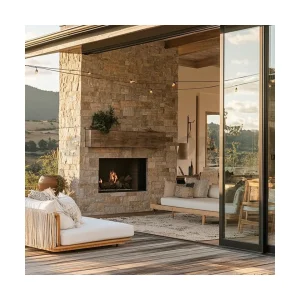
As architects move away from standard dry-wall surrounds to expansive full-height stone clad hearth facades, global sourcing partners must adapt. They must deliver not just raw materials, but comprehensive architectural stone systems featuring matching hearth slabs, mantels, and vertical surround cladding.
Hearth stones must withstand temperature changes up to 300°C without cracking, structural failure, or mineral degradation.
Rising safety standards in Western markets drive massive shifts towards eco-conscious, zero-silica artificial quartz and sintered materials.
Fully verified Class A1 fire-rated materials ensure developers meet regional commercial and residential fire safety rules.
Nanan Zenlith Co., Ltd. is a professional manufacturer and global supplier specializing in artificial marble, quartz stone, and engineered & natural stone solutions for residential, commercial, and architectural applications. Based in Nanan—one of China’s most established stone industry hubs—the company integrates advanced production technology with strict quality control to deliver consistent, high-performance surfaces.
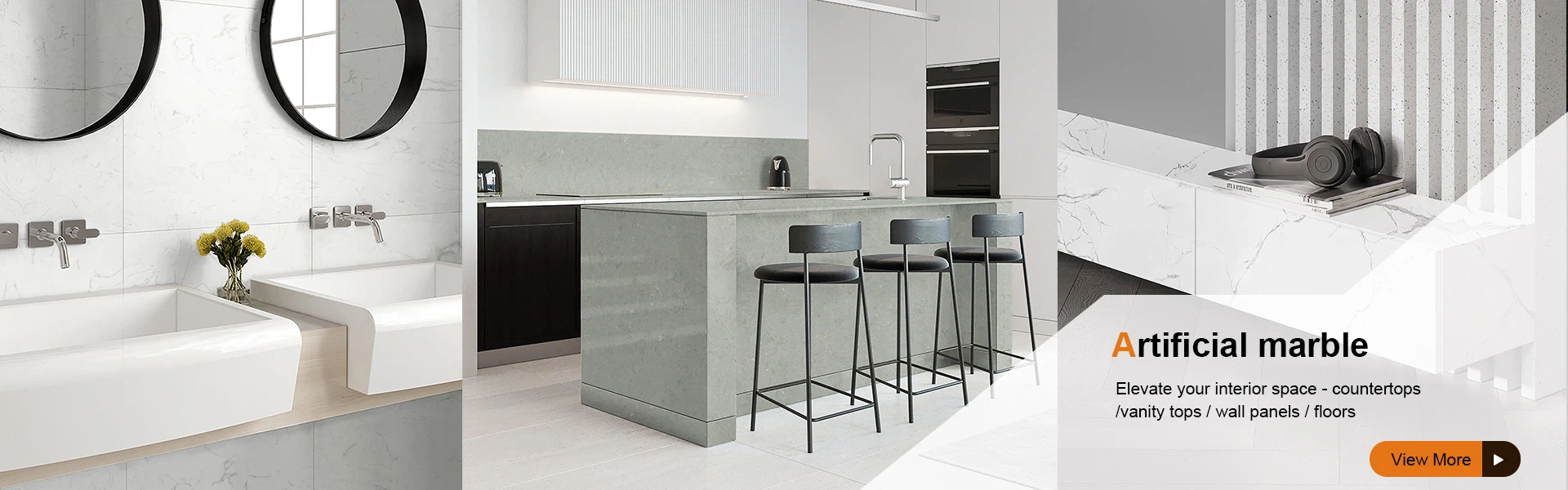
Zenlith’s product portfolio includes artificial marble slabs, engineered quartz surfaces, and a wide selection of natural stones such as granite and marble. Designed to meet modern design and construction demands, its materials are widely used for kitchen countertops, bathroom vanities, wall cladding, flooring systems, and custom interior projects. The company focuses on durability, stain resistance, and aesthetic versatility, offering a variety of colors, textures, and finishes tailored to global market trends.
With a commitment to innovation and sustainability, Zenlith continuously upgrades its manufacturing processes to ensure environmentally responsible production and long-term product reliability. Its experienced team provides OEM/ODM services, supporting clients from material selection and customization to packaging and export logistics.
Serving customers across North America, Europe, the Middle East, and Southeast Asia, Nanan Zenlith Co., Ltd. has built a strong reputation for quality, competitive pricing, and dependable delivery—making it a trusted partner for stone solutions worldwide.
Exploring the cluster effects, manufacturing automation, and processing efficiencies that drive value to global stone distributors.
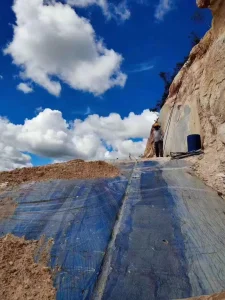
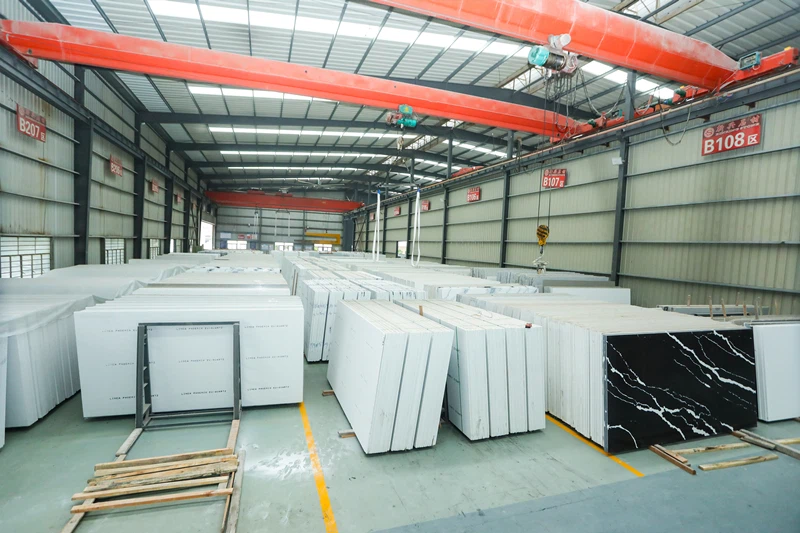
Nanan is internationally recognized as the world's processing center for natural and engineered stone. The geographic clustering of machinery suppliers, material science research laboratories, raw block importers, and skilled custom fabricators creates an unparalleled production ecosystem.
This consolidation allows manufacturers to scale production dynamically. Raw materials are sourced directly from global quarries (Italy, Turkey, Brazil) and processed locally using state-of-the-art multi-blade gang saws and automated slab polishing lines. The high efficiency translates directly into cost advantages and compressed lead times for large-scale B2B orders.
Adapting stone finishes to meet regional design trends and climatic requirements globally.
Dominance of large, thick-profiled granite and sintered stone hearths. Highly customized pencil or bullnose edges for Craftsman and modern farmhouse interiors.
Preference for minimalist, low-profile limestone and ultra-thin flexible MCM stone tiles. Clean-cut, square mitered edge finishes matching built-in media walls.
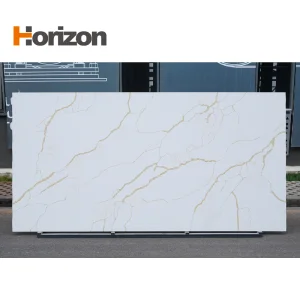
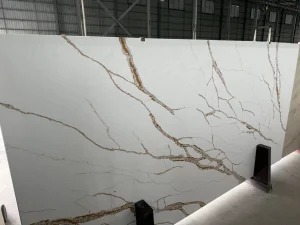
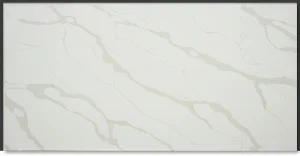
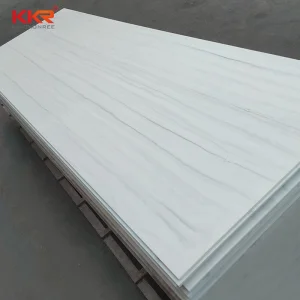
High demand for dramatic Calacatta-patterned quartz surfaces and polished artificial marble for monumental focal-point fireplaces in grand hotel lobbies and luxury villas.
How new materials are answering the dual demand of high aesthetics and rigorous environmental safety compliance.
Engineered quartz has long been a favorite due to its structural consistency and vibrant patterns. When used in fireplace surround applications, standard resins can be sensitive to direct contact with high heat. Consequently, manufacturers are formulating advanced hybrid binders and high-performance resins. Furthermore, sintered stones (which undergo a firing process under extreme pressure and heat similar to natural metamorphic formation) have become the premier choice for direct contact hearth zones. Sintered stones are inherently non-combustible (Class A1), scratch-resistant, and entirely immune to UV fading and thermal discoloration.
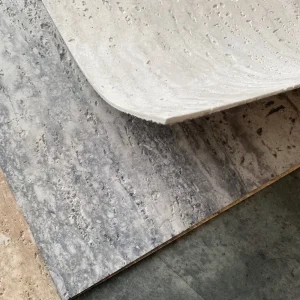
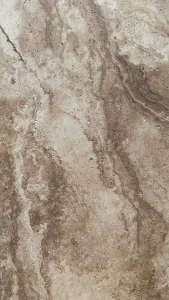
For high-rise commercial structures and wooden frame walls, structural load limits often prevent the installation of massive natural stone slabs. To overcome this limitation, the industry has embraced MCM (Modified Clay Material) soft stone and bendable travertine alternatives. These materials offer the authentic texture, depth, and character of natural stone but at a fraction of the weight. They are flexible, easy to shape around curved hearths, and reduce installation times and labor costs drastically.
Global developers now look at the LEED credit contributions of structural materials. Hearth options constructed from high percentage recycled stone materials and mineral compounds bonded with bio-resins are seeing high demand. Sourcing partners must verify the origin of raw material aggregates and supply environmental certificates detailing sustainable water management and low emissions during fabrication.
Common questions answered by our stone engineering and global logistics directors.
For fireplace zones directly exposed to open flame or radiant heat above 150°C, natural stone (like granite or basalt) or advanced sintered stone is highly recommended. Standard quartz stone contains polymer resins which may discolor under intense direct heat. However, engineered quartz is perfect for vertical surround cladding and decorative mantle extensions where direct temperature exposure is limited.
Hearth extensions typically require a minimum thickness of 20mm (3/4 inch) to 30mm (1-1/4 inches) to comply with safety regulations in North America and Europe. We export custom cut-to-size slabs in both thicknesses, complete with polished chamfered edges to prevent chipping during on-site installation.
All slabs and custom cut pieces are packed inside heavy-duty, fumigated wooden crates with integrated A-frame supports. Every individual piece is separated by protective polyethylene foam sheets. Crates are tightly strapped and braced within the shipping containers to prevent shifting during transit, keeping damage claims close to 0%.
Yes, we specialize in book-matching for both artificial marble and high-end quartz stone. Our design and tech team uses digital block-mapping software to align the natural veins perfectly, creating a mirror effect across multiple panels for grand feature walls.
For standard slab sizes, the lead time is approximately 15-20 days from deposit receipt. For complex custom cutting, routing, or specialized edge profiles, lead times average 25-30 days. We optimize shipping schedules directly through Xiamen Port for fast departure.
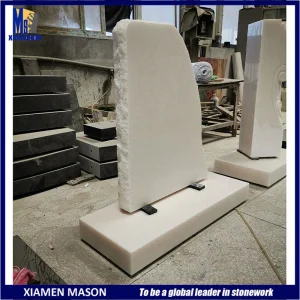
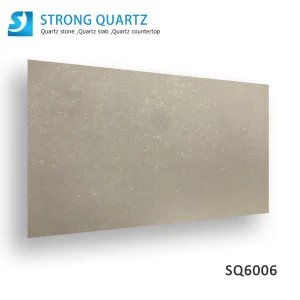
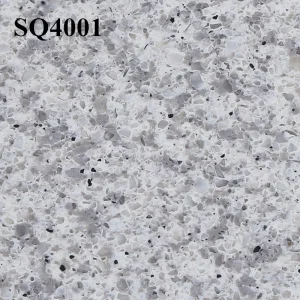
Discover additional material options, including highly flexible MCM stones, custom headstones, and luxury quartz slabs.
 Zenlith Stone
