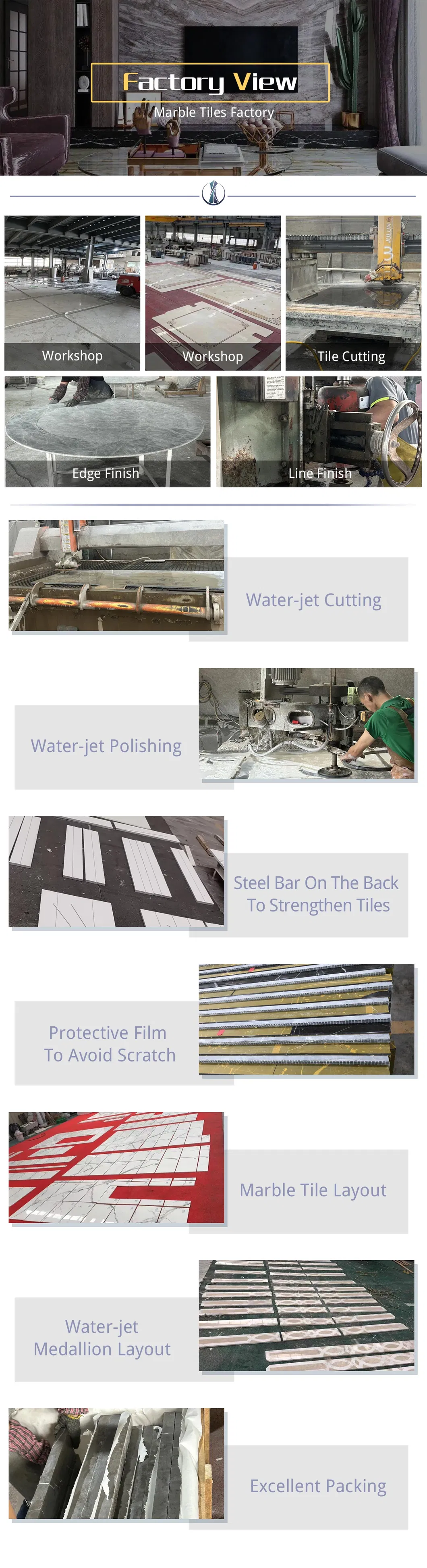
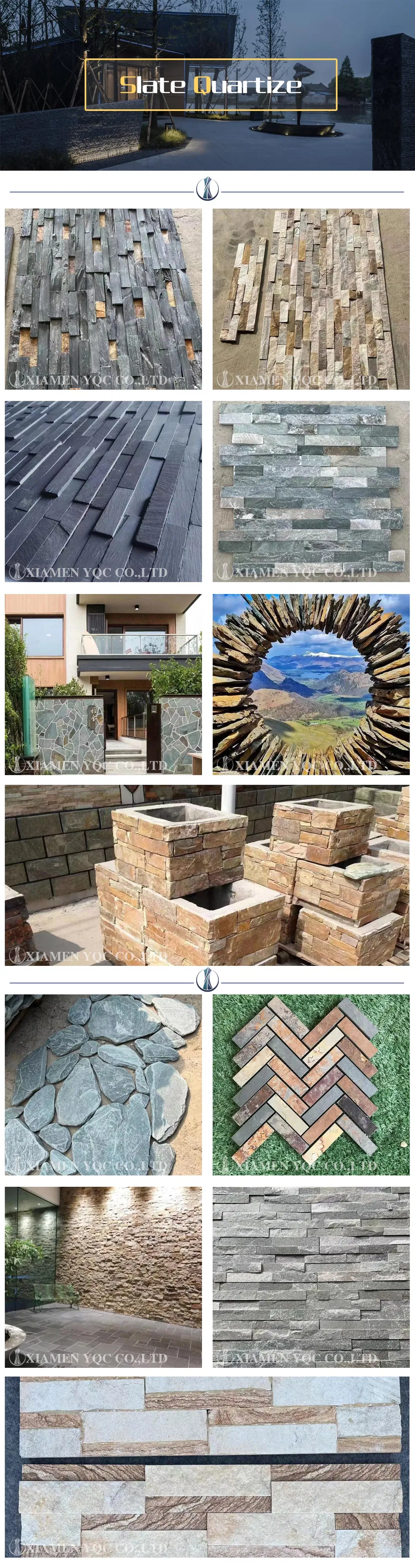
1. Granite
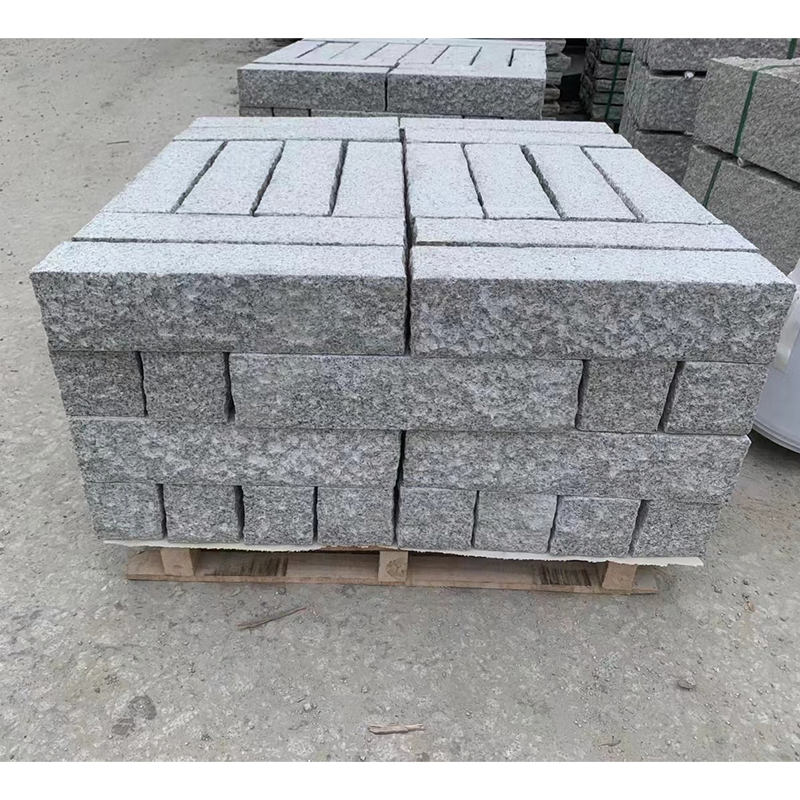
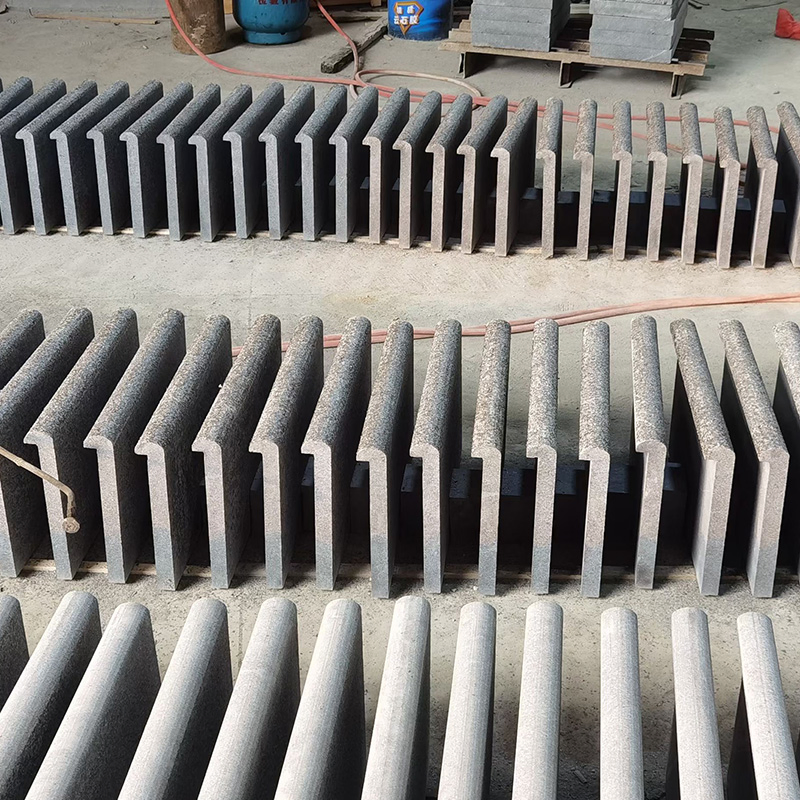
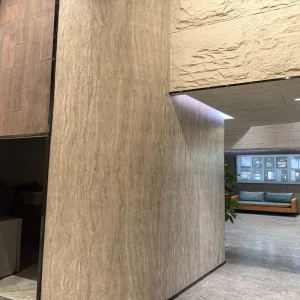
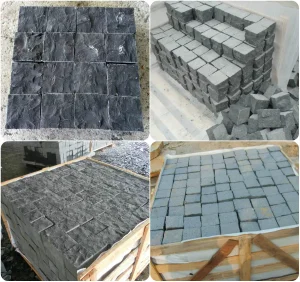
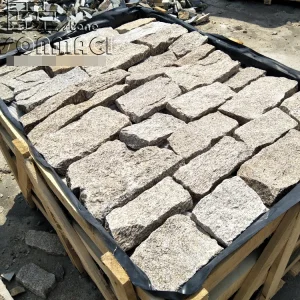
Granite is a coarse-grained (phaneritic) intrusive igneous rock composed mostly of quartz, alkali feldspar, and plagioclase. It forms from magma with a high content of silica and alkali metal oxides that slowly cools and solidifies underground. It is common in the continental crust of Earth, where it is found in igneous intrusions. These range in size from dikes only a few centimeters across to batholiths exposed over hundreds of square kilometers.
Granite is typical of a larger family of granitic rocks, or granitoids, that are composed mostly of coarse-grained quartz and feldspars in varying proportions. These rocks are classified by the relative percentages of quartz, alkali feldspar, and plagioclase (the QAPF classification). Most granitic rocks also contain mica or amphibole minerals.
Granite is nearly always massive (lacking any internal structures), hard, and tough. These properties have made granite a widespread construction stone throughout human history.
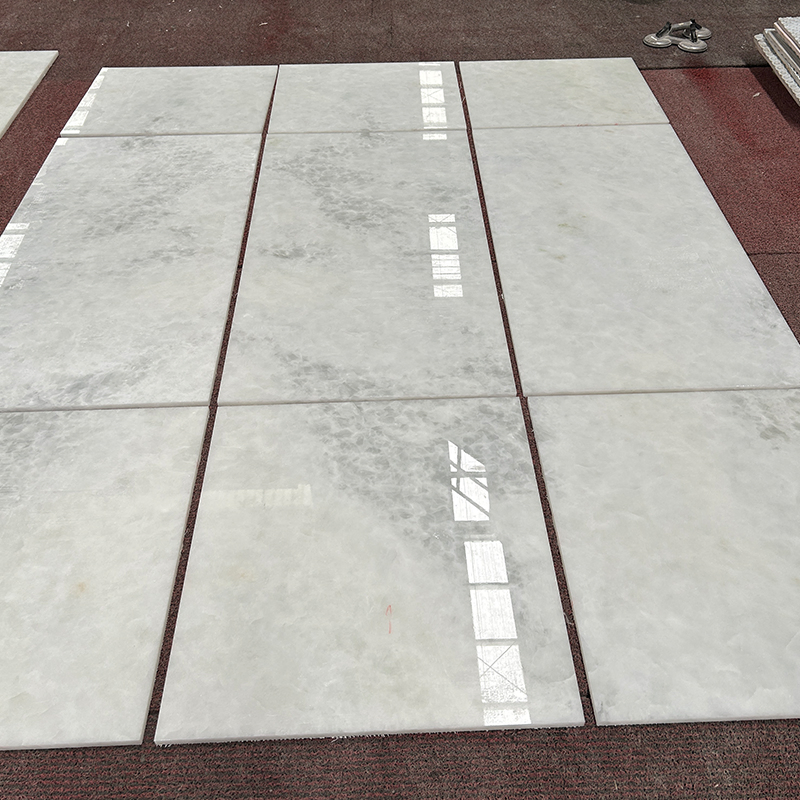
2. Marble
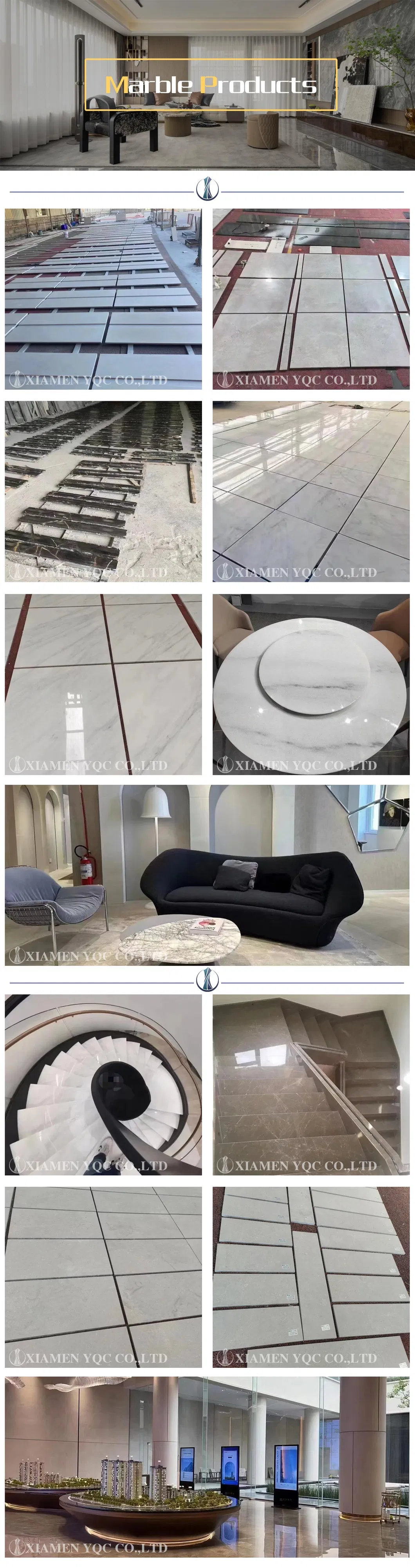
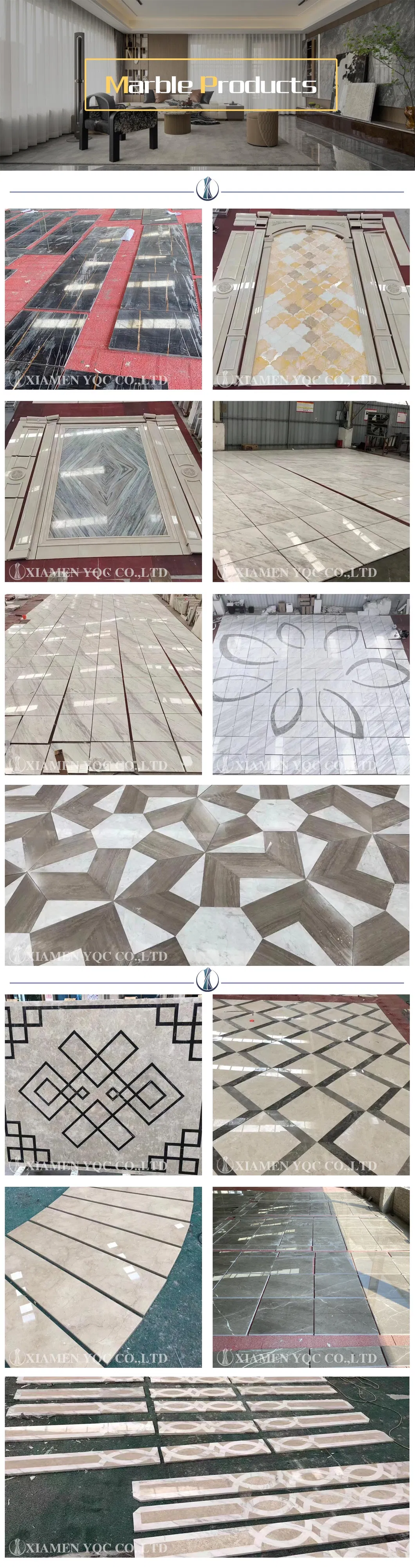
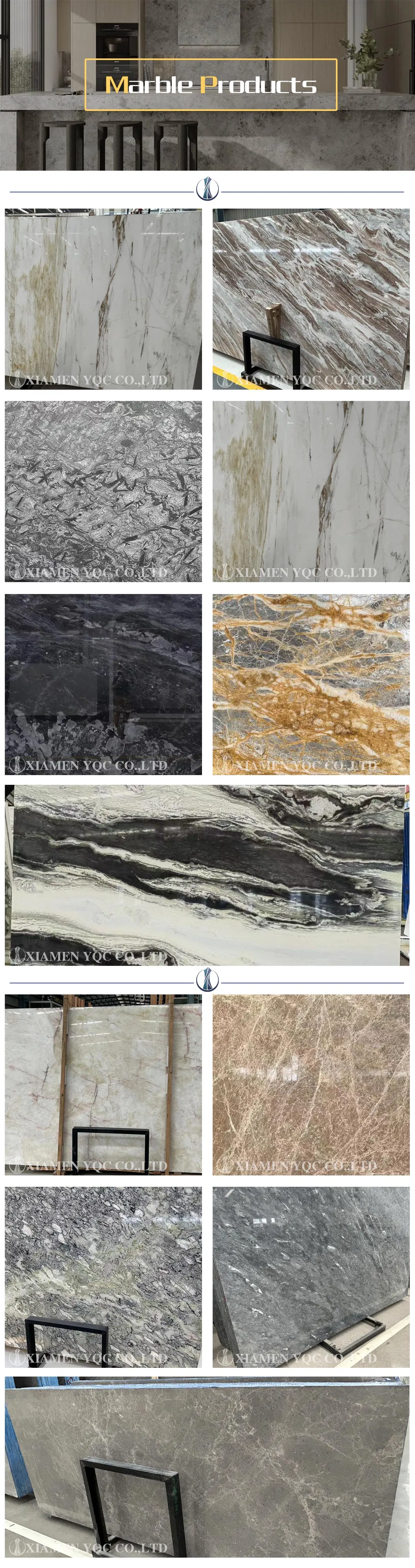
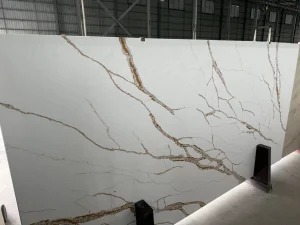
Natural marble is a metamorphic stone. It is a rock composed of calcium magnesium carbonate, and it has naturally recrystallized due to pressure, heat, and aqueous solutions. It is a hard rock that changes colors when exposed to acidic substances. Marbles are used principally for buildings and monuments, interior decoration, statuary, table tops, and novelties.
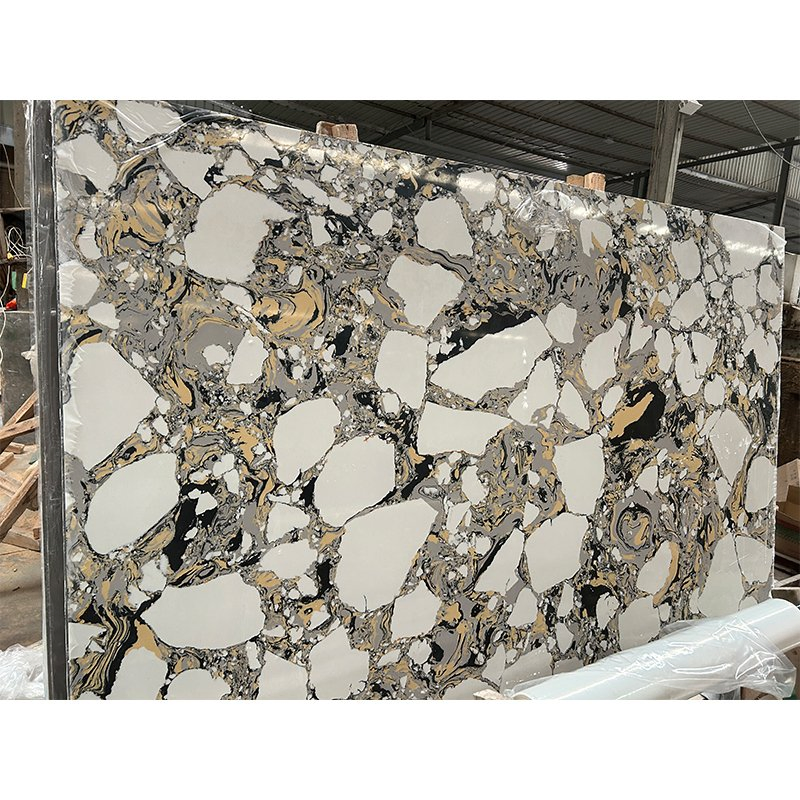
Artificial marble is one of the most economical marble products. Among artificial stones, it is the cheapest and most popular, available in many colors like pure white, yellowish, reddish, and multicolor.
Key Sizes: 3200x1600x20mm, 2400x1600x20mm, 2700x1600x18mm, etc. One major difference is that artificial marble has almost no dimension limitations, and the surface finishing is uniform with no color variations, making it ideal for large-scale projects.
3. Quartz
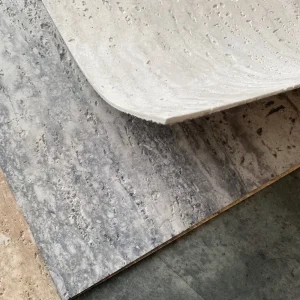
Engineered quartz stone surfaces effectively retain the qualities of the strongest natural stones. When searching for the perfect engineered quartz, you will find an array of vibrant colors and shades. It can visually update your kitchen or bathrooms, often becoming the centerpiece of the room due to its durability and unsurpassed beauty.
4. Slate
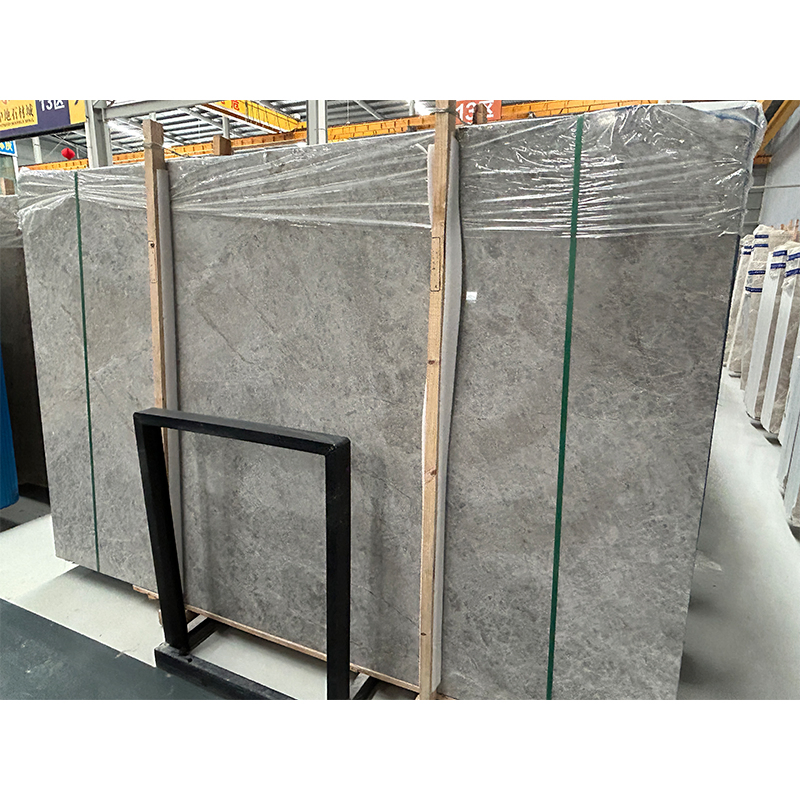
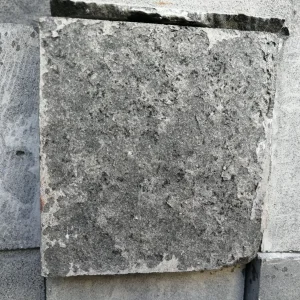
Slate is a fine-grained, foliated, homogeneous, metamorphic rock derived from original shale-type sedimentary rock. When expertly "cut" parallel to the foliation, many slates display a property called fissility, forming smooth, flat sheets of stone used for roofing, floor tiles, and other purposes.
Slate occurs in a variety of colors even from a single locality, including shades of grey, purple, green, or cyan. It is a versatile material historically used for writing slates and architectural applications.
❓ Frequently Asked Questions
Q1: What are the primary uses for natural marble?
Natural marble is mainly used for buildings, monuments, interior decoration, statuary, table tops, and novelties due to its unique color and appearance.
Q2: How do I clean and maintain marble surfaces?
Cleaning is simple: use gentle soap and warm water. Wipe the surface with a wet, hot dish towel and dry it with an absorbent towel to keep it looking new.
Q3: What is the main difference between natural and artificial marble?
Artificial marble offers uniform color without variations and has almost no dimension limitations, whereas natural marble slabs are limited by the size of the extracted block.
Q4: Why is engineered quartz recommended for kitchens?
Engineered quartz is highly durable and resistant to wear, making it one of the best materials for high-traffic areas like kitchen countertops while offering vibrant color options.
Q5: What makes slate suitable for roofing and flooring?
Slate possesses a property called "fissility," which allows it to be split into smooth, flat sheets. This, combined with its durability, makes it excellent for roofing and floor tiles.
Q6: What type of packaging is used for international transport?
Products are typically packed in fumigated wooden crates to ensure safety and compliance with international shipping regulations during sea transport.
 Zenlith Stone