How modern mineral composites and engineered quartz surfaces withstand extreme heat loads, thermal shocks, and stress cycles.
When selecting countertops for high-temperature applications—ranging from institutional kitchens to residential cooking islands—understanding the physical chemistry of the substrate is critical. Heat resistance is not a binary attribute; it is defined by a material’s thermal conductivity, coefficient of thermal expansion, and heat deflection temperature (HDT).
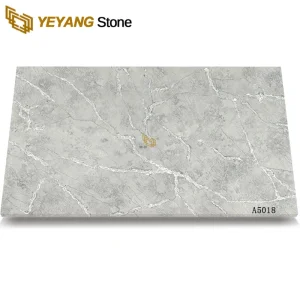
Engineered stone, such as quartz surfaces, comprises approximately 90-93% natural quartz aggregates bound with high-performance polymer resins (typically unsaturated polyester). The thermal bottleneck of engineered quartz is the resin phase, which begins to undergo thermal degradation and discoloration at temperatures exceeding 150°C (300°F). In contrast, natural granites and sintered stones can withstand significantly higher thermal thresholds, though they remain vulnerable to rapid localized thermal shock.
Max Safe Temp: 150°C (Continuous)
Thermal Shock: Moderate vulnerability due to resin binder composition. Requires dynamic expansion joints.
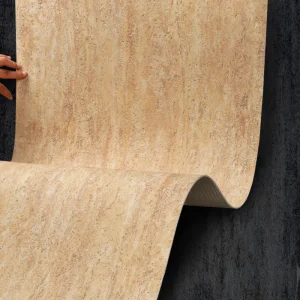
Max Safe Temp: 250°C (Continuous)
Thermal Shock: High resistance, but vulnerable to micro-fissure propagation under rapid temperature changes.
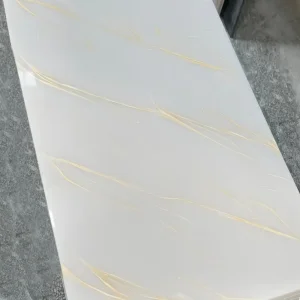
Max Safe Temp: 450°C+ (Continuous)
Thermal Shock: Extremely low thermal expansion. Zero polymer binders, fully vitrified matrix.
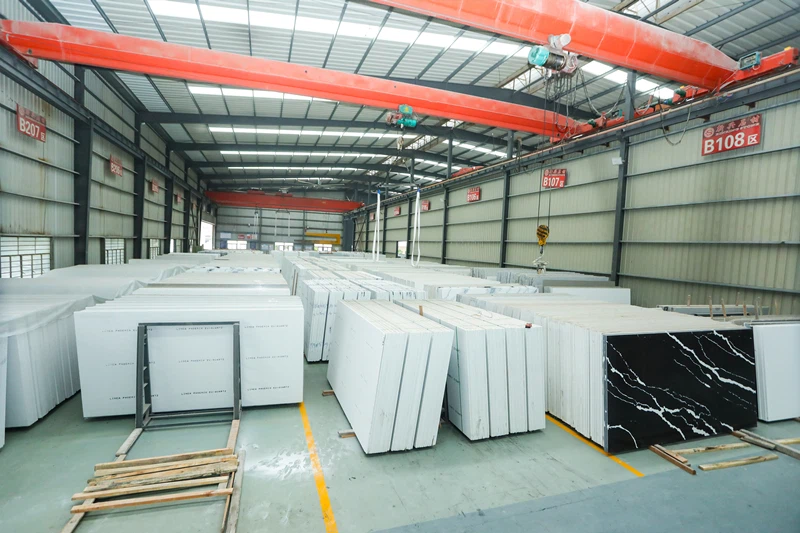
Nanan Zenlith Co., Ltd. stands as a key manufacturer and global supplier in Nanan, China—the epicenter of artificial marble and quartz stone fabrication. Leveraging Industrial IoT and Factory 4.0 automation, Zenlith manufactures consistent, premium-grade surfaces designed for the demanding requirements of global architectural projects.
By utilizing automated raw material dosing, high-vacuum vibro-compression pressing systems, and multi-stage temperature curing ovens, the mechanical and thermal performance of Zenlith’s products remains consistent. This automated control over the resin-mineral ratio directly minimizes voids within the slab, optimizing thermal stress resistance and mechanical resilience.
Designing commercial, residential, and industrial environments with optimized, heat-resistant surfaces.
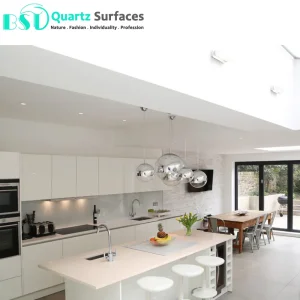
Heavy-duty solutions for buffet islands, kitchen prep zones, and bar counters. High resistance to boiling water, staining, and repetitive chemical sanitization.
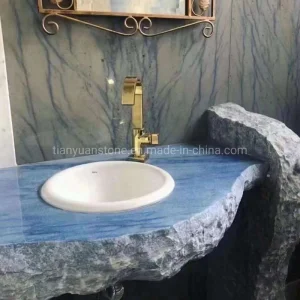
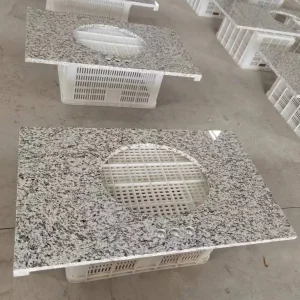
Scalable, pre-fabricated quartz and artificial marble vanity tops. Offers developers consistent quality, simple maintenance, and high durability.
Engineered solid surfaces providing non-porous resistance to localized thermal changes and corrosive chemical spills.
Aligning material outputs with international quality certifications to secure risk-free global supply chains.
Verifies that surfaces are certified for direct food contact, confirming that no toxic chemical migration occurs at high operational temperatures.
Standard testing for thermal shock resistance, ensuring that slabs undergo cyclic heating and cooling without micro-fracturing.
Ensures zero or extremely low VOC emissions under heating scenarios, preserving indoor air quality in residential and commercial settings.
The engineered stone industry is shifting toward sustainable materials and smarter integration. Key developments include:
Nanan Zenlith Co., Ltd. continuously monitors and integrates these developments, ensuring that customers receive products aligned with modern environmental regulations and performance requirements.

Technical responses addressing common buyer questions regarding heat-resistant engineered surfaces.
 Zenlith Stone
