Choosing the right stone for flooring and walls is crucial in design. A recent industry report indicates that natural stone usage has risen by 25% in residential projects over the past five years. Understanding how to choose stone for flooring vs walls can significantly impact the aesthetic and durability of your space. The qualities of different stones vary greatly. Granite, for instance, is highly durable but may not offer the same visual warmth as marble.
Interior designers often stress the importance of stone selection. Yet, many face challenges, such as balancing functionality and style. The Stone Council reported that nearly 70% of homeowners regret not researching their options thoroughly. There's a delicate interplay between beauty and maintenance needs. While some stones require regular sealing, others withstand wear better.
Every space tells a story. Stones can evoke different feelings and impressions. It's essential to reflect on their intended use in your environment. Before making a final decision, consider how lighting and space affect stone appearance. Aim for authenticity, and be prepared to navigate imperfections in your choice. By evaluating these elements, you can create a more thoughtful and enduring design.
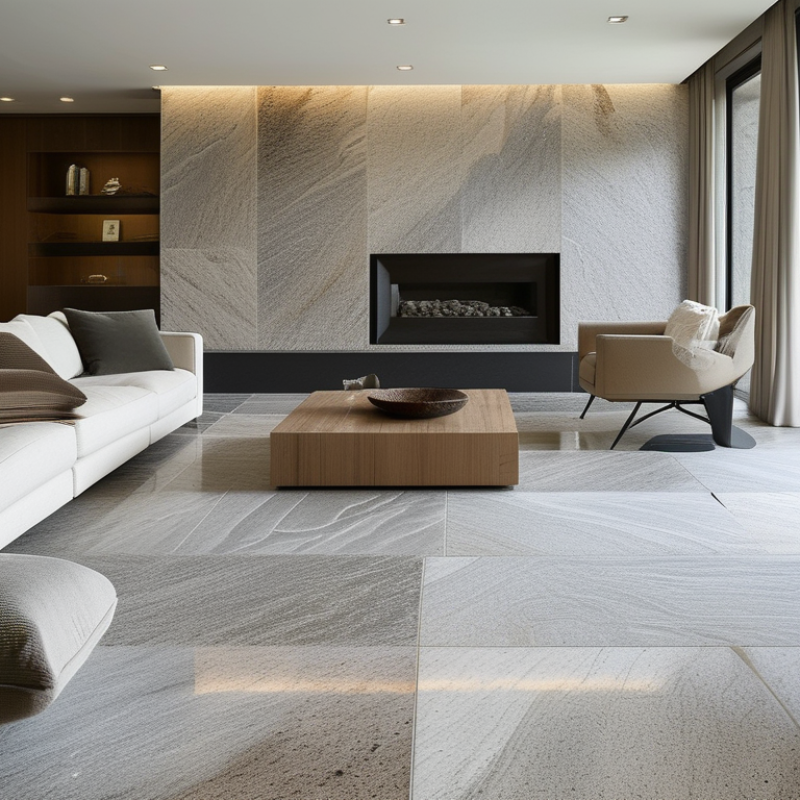
Choosing the right stone for flooring and walls involves several important factors. Start by considering the stone's durability. Natural stone can withstand wear and tear better than other materials. However, it requires maintenance. For example, marble is prone to scratching and staining.
Next, think about the aesthetic appeal. Different stones offer unique colors and textures. Granite offers specks of color that add character. On the other hand, limestone provides a soft, warm appearance. Choose a stone that complements your overall interior design.
When picking stone, also assess its slip resistance. This factor is crucial for safety, especially in moisture-prone areas. Tiles with a textured surface can prevent slips. Check the finish of the stone. A honed finish can feel softer underfoot but might get slippery when wet.
Lastly, evaluate the cost and sourcing. Natural stone can be expensive. Look for local quarry options to potentially save on transportation costs. Keep in mind, some stones require more effort in installation. This can increase your budget.
Reflect on your choices, as the right stone impacts not just appearance, but functionality too.
| Tip | Description | Considerations |
|---|---|---|
| 1. Assess Durability | Choose stone that can withstand wear, pressure, and daily use. | Look for hardness ratings and weather resistance. |
| 2. Evaluate Maintenance Requirements | Consider how much upkeep is needed over time. | Some stones require sealing, while others are more low-maintenance. |
| 3. Analyze Compatibility with Climate | Select stone suited for the local climate to avoid damage. | Consider the thermal properties and freeze-thaw resistance. |
| 4. Determine Desired Aesthetic | Visual appearance can significantly affect overall design. | Explore colors, patterns, and finishes that complement your space. |
| 5. Consider Safety | Ensure the stone provides adequate traction and stability. | Look into slip resistance ratings, especially for wet areas. |
| 6. Factor in Cost | Budget constraints can guide your stone selection. | Consider initial costs versus long-term durability and maintenance. |
| 7. Check Availability | Ensure the stone you want is readily available. | Investigate local suppliers and shipping options if necessary. |
| 8. Research Installation Requirements | Some stones need special installation techniques. | Consult professionals to ensure proper handling and installation. |
| 9. Consider Sustainability | Choose eco-friendly stone options when possible. | Look for stones from sustainable sources or recycled materials. |
| 10. Review Warranty and Return Policies | Understand the warranty and what it covers. | Clarify return options in case the stone does not meet expectations. |
: Granite, marble, and limestone are popular choices due to their unique characteristics.
Granite is very strong and resilient, making it ideal for busy spaces.
Marble has a luxurious appearance but is softer and can stain easily.
Regular cleaning and care are necessary to prevent stains and scratches.
Limestone has a rustic charm but may wear down faster, so it's less ideal for heavy use.
Resealing should happen every 6 to 12 months, depending on the stone type.
Neglecting sealing can lead to significant staining and reduce the stone's lifespan.
Humidity and temperature changes can impact stone integrity and cause issues.
pH-balanced solutions are recommended to avoid damaging the stone's finish.
Research and regular inspections can help identify and prevent maintenance issues early.
When considering how to choose stone for flooring vs walls, it’s essential to evaluate several key factors. First, understand the different types of stone available, focusing on their durability and aesthetics to ensure they meet your design vision and usage needs. Additionally, consider the cost associated with each type, including the price per square foot and installation expenses, as these can vary significantly.
Maintenance is another critical aspect; know the long-term care required for different natural stone surfaces to maintain their appearance and integrity over time. Lastly, sustainability should not be overlooked—explore environmentally friendly sourcing options to ensure that your choice aligns with eco-conscious practices. By considering these elements, you can make a well-informed decision that balances style, functionality, and sustainability.

 Zenlith Stone
