When considering countertop materials, buyers often face a dilemma: artificial marble vs quartz which is better? Both options offer distinct advantages and unique aesthetics. Understanding their characteristics can make a significant difference in your renovation decisions.
Artificial marble is known for its versatile designs and affordability. It can mimic natural stones beautifully, providing an elegant touch to any space. On the other hand, quartz stands out for its durability and low maintenance. It is engineered stone, combining natural quartz crystals with resins to enhance strength.
However, each material has its drawbacks. Artificial marble may scratch or chip more easily than quartz, while quartz can sometimes lack the variety in patterns that artificial marble offers. Ultimately, the choice depends on your preferences, lifestyle, and budget. Exploring these factors can lead you to the right decision.
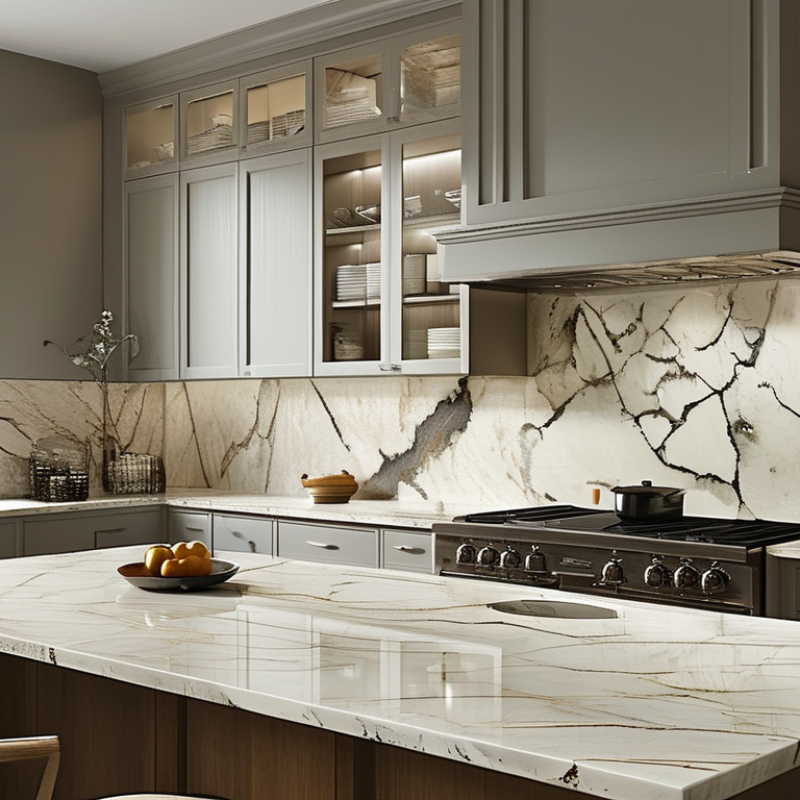
Artificial marble offers numerous advantages over natural stone for surface applications. One of the key benefits is its consistency in pattern and color. Unlike natural stones, which can vary widely, artificial marble provides a uniform appearance. This makes it easier to achieve a cohesive look in any space. Additionally, the manufacturing process allows for customization in color, giving homeowners better options.
Durability is another significant factor. Artificial marble is engineered to resist stains and scratches better than many natural stones. This can reduce maintenance efforts over time. Furthermore, it is often less porous, reducing the likelihood of bacteria growth, which is essential for kitchen and bathroom surfaces.
While there are many advantages, it's crucial to consider the environmental impact of mining natural stones versus the production of artificial materials. Some may question the longevity of synthetic options compared to their natural counterparts. Balancing style, functionality, and ethical considerations can lead to more informed choices in surface materials. The decision may not be straightforward, requiring careful reflection on personal values and needs.
When it comes to the durability of countertops in high-traffic areas, quartz and artificial marble each present unique strengths. Quartz is engineered with a combination of natural quartz crystals, resin, and pigments, creating a non-porous surface. This feature helps prevent stains and bacteria buildup. According to industry reports, quartz can resist scratches and impacts better than many natural stones. In fact, it ranks between 6 and 7 on the Mohs scale of hardness, making it quite resilient.
On the other hand, artificial marble, often made from marble dust and resins, can also be durable, but it is generally softer than quartz. Industry analysis indicates that while artificial marble offers aesthetic appeal, it may not endure the same level of wear over time. In high-traffic areas, the risk of scratching and chipping increases with artificial marble. Maintenance can be another concern; it often requires more regular sealing compared to quartz.
Ultimately, the choice between these materials depends on the specific needs of your space. Both offer unique benefits and potential drawbacks. Attention to design intent and user activity can guide decisions, as durability can vary significantly based on usage patterns.
When considering artificial marble and quartz, cost analysis is crucial. The initial investment varies significantly. According to industry reports, synthetic marble installations can range from $35 to $75 per square foot. In contrast, quartz typically costs between $50 and $100 per square foot. While quartz tends to be pricier, its durability may lead to better long-term savings.
Long-term maintenance costs deserve attention. Artificial marble may require more frequent sealing and care. Maintenance expenses for artificial marble can accumulate over time, especially in high-traffic areas. In contrast, quartz is non-porous, reducing the need for additional sealing. This quality can translate into lower maintenance costs over the lifespan of the product.
However, consumers must also consider the hidden costs. For example, repair and replacement for scratches or chips in artificial marble can be more expensive over time. Quartz, being more resilient, often withstands wear and tear better. Ultimately, understanding these cost dynamics is essential for making an informed choice.
Artificial marble and quartz both offer unique aesthetic options that appeal to different tastes. When exploring color and design variations, both materials excel in versatility. Quartz often provides a uniform surface with consistent hues. Its synthetic nature allows for bold, vibrant colors that are difficult to achieve in natural stones. This means you can find deep blues, bright yellows, or even rich greens without the unpredictability of natural stone.
In contrast, marble's allure lies in its timeless elegance. Each slab boasts unique veining and patterns, making every piece distinct. The subtle variations in color and texture can create a sophisticated look. However, these natural variations might not suit everyone’s taste. Some might prefer the flawless appearance of quartz over marble's irregular patterns. Designers often face the challenge of balancing these options to meet clients' expectations. The choice ultimately depends on the desired ambiance of the space. While quartz may offer a more customizable approach, marble brings an organic charm that many find appealing.
The environmental impact of artificial marble and quartz is a crucial topic in sustainable design. According to a report by the Natural Stone Institute, the production of natural stone, including traditional marble, results in higher carbon emissions compared to artificial alternatives. Artificial marble, made from resin and aggregate materials, uses significantly less water and energy during its production process.
However, not all artificial marbles are created equal. Some may contain harmful chemicals that can leach into the environment. The production of quartz surfaces, which often includes silica, has also raised concerns. A study by the Occupational Safety and Health Administration (OSHA) highlighted the risks associated with silica exposure during manufacturing.
It's vital to consider life cycle assessments when evaluating sustainability. Artificial marble generally produces less waste. Still, it’s important to reflect on the source of materials and methods used in production. Transparency in supply chains can lead to more informed choices. Sustainable practices in sourcing and manufacturing can minimize harmful effects on the environment while meeting design needs.
: Quartz offers uniform surfaces and vibrant colors, while marble has unique veining and natural patterns.
Quartz provides a flawless appearance, appealing to those who prefer consistency in color and design.
Marble brings an organic charm and timeless elegance, making spaces feel sophisticated and unique.
Quartz production raises concerns due to silica exposure during manufacturing, which can pose health risks.
Artificial marble generally uses less water and energy, but some types may contain harmful chemicals.
It's important to evaluate the source of materials and methods to ensure minimal environmental impact.
Yes, some may not prefer marble's irregular patterns, finding them less appealing compared to quartz.
Transparency in supply chains allows for informed choices regarding the sustainability of materials used.
No, client preferences vary widely, with some favoring the uniqueness of marble's natural beauty.
Designers must understand client expectations while considering the distinct qualities of both materials.
When considering surfaces for various applications, the debate around "artificial marble vs quartz which is better" highlights several key factors. Firstly, artificial marble presents compelling reasons for selection, particularly its versatility and aesthetic appeal, offering a wide range of colors and designs suited for diverse interior styles. In terms of durability, both materials perform exceptionally well in high-traffic areas, but quartz's resilience often gives it an edge in impact resistance.
Cost is another critical consideration, with initial investments and long-term maintenance costs analyzed closely. While artificial marble can be more affordable upfront, quartz may prove to be more cost-effective over time due to its low maintenance needs. Finally, the environmental impact of production is essential, as sustainability becomes increasingly paramount in material selection. Understanding these dimensions can aid homeowners and designers alike in making informed choices between these popular materials.

Zenlith Stone