Which Stone Is More Eco Friendly for Sustainable Sourcing?

Time:2026-07-10 Author:Sophia
0%

In today's world, the impact of mining on the environment raises crucial questions. As consumers seek sustainable alternatives, the query "which stone is more eco friendly" gains urgency. Renowned expert Dr. Rebecca Green, a sustainability consultant, states, “Choosing the right stone can significantly reduce our ecological footprint.” This highlights the importance of informed choices in stone sourcing.

Each type of stone holds its unique environmental implications. For instance, natural stones like granite often require extensive quarrying, which disrupts ecosystems. In contrast, options like recycled materials or locally sourced stones can minimize transportation emissions and environmental degradation. However, the availability of these stones varies by region and market demand, prompting consumers to weigh their options carefully.

Ultimately, understanding "which stone is more eco friendly" is complicated. It involves not only the extraction process but also the stone's lifecycle and end-of-life considerations. Consumers must reflect on their choices and the associated costs, both financial and environmental. Each decision contributes to a larger narrative about sustainability and the future of our planet.
Which Stone Is More Eco Friendly for Sustainable Sourcing?

Eco-Friendly Stone Options: An Overview of Sustainable Sourcing Practices

Sustainable sourcing of stone materials is crucial for eco-friendly practices. Natural stones like granite and marble have unique qualities. However, quarrying these materials can cause habitat destruction and pollution. It's essential to consider the life cycle of each stone type.

Recycled stones are a fantastic option for sustainability. They reduce waste and lower environmental impact. By repurposing materials, we preserve natural resources. Additionally, locally sourced stones cut down transportation emissions and support community economies. However, not all local options are created equal. Quality and environmental practices can vary significantly.

Education on sourcing practices is vital. Buyers often overlook the ecological impact of their choices. Green certifications can provide a guideline, but they require scrutiny. Knowing where and how stones are extracted can lead to better decisions. A movement towards transparency in the stone industry is emerging. Consumers must demand accountability to foster eco-friendly practices.

Which Stone Is More Eco Friendly for Sustainable Sourcing? - Eco-Friendly Stone Options: An Overview of Sustainable Sourcing Practices

Stone Type Sourcing Location Environmental Impact Recycling Potential Sustainability Certification
Marble Italy Moderate Low Available
Granite Brazil High Moderate Limited
Slate Wales Low High Available
Sandstone United States Low Moderate Limited
Recycled Glass Stone Various Very Low Very High Available

Comparative Analysis of Natural Stone vs. Engineered Stone for Sustainability

When it comes to sustainability, both natural and engineered stones offer unique benefits and drawbacks. Natural stone, such as granite or marble, is often extracted from quarries. According to a report by the Natural Stone Institute, over 70% of the extraction process can leave behind significant waste. The energy consumption during quarrying, along with transportation emissions, raises concerns about its overall eco-friendliness.

On the other hand, engineered stone, made from a mix of natural stone scraps and resin, presents an alternative. The process utilizes up to 90% recycled materials, which can reduce waste substantially. A study by the American Institute of Architects notes that engineered stone can significantly lower the carbon footprint, with energy use reduced by up to 30% compared to traditional quarrying. However, the production of resin used can involve harmful chemicals, raising questions about its long-term environmental impact.

While both options have their pros and cons, the choice depends on specific project needs and priorities. The vast differences in sourcing methods and material compositions reflect the complexities of sustainable choices in the stone industry. With increasing demand for eco-friendly materials, further advancements in both natural and engineered stones are crucial.

Which Stone Is More Eco Friendly for Sustainable Sourcing?

This chart compares the environmental impact of Natural Stone and Engineered Stone by illustrating their CO2 emissions and water usage per square meter. Natural Stone shows lower CO2 emissions but higher water usage compared to Engineered Stone. Choosing the right material can significantly affect sustainability considerations in sourcing.

Impact of Quarrying on Environment: Data on Carbon Footprint and Habitat Disruption

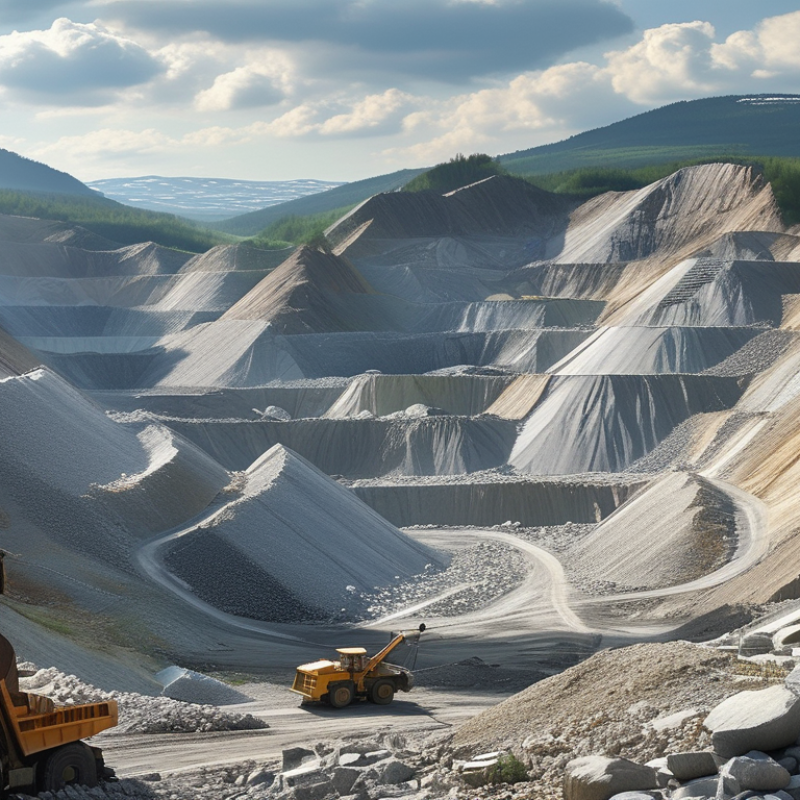
The process of quarrying stone has significant effects on the environment. Quarrying disrupts local habitats and ecosystems. Wildlife faces habitat loss, which threatens biodiversity. This disruption can lead to a decrease in animal populations. The removal of natural resources alters landscapes dramatically.

Carbon emissions from quarrying contribute to climate change. Heavy machinery and transport vehicles emit greenhouse gases. These emissions increase the carbon footprint of stone production. Sustainable practices in quarrying can minimize environmental impact. However, many operations still operate without consideration for sustainability.

Restoration efforts after quarrying are often inadequate. Land that was once vibrant may remain barren for years. Communities nearby can suffer from air and noise pollution. Reflecting on these impacts leads to a deeper understanding of eco-friendliness. Sustainable sourcing must prioritize the health of the planet alongside human needs.

Recyclability and Lifecycle Analysis of Stones Used in Construction Industry

When considering eco-friendly stone options for construction, it's crucial to analyze recyclability and lifecycle impacts. Natural stones, such as granite and marble, have a long lifespan, reducing the need for frequent replacements. However, their extraction often causes significant environmental disruption. Quarrying can lead to habitat loss and soil erosion, raising concerns about sustainability.

On the other hand, reconstituted stones are made from recycled materials. These options often involve less energy in production and utilize waste from other industries. They can be a practical choice, though the resins used can raise questions about environmental impact. Evaluating their recyclability is essential, as inappropriate disposal can negate their benefits.

Lifecycle analysis is essential when assessing these materials. It explores resource extraction, production processes, and end-of-life scenarios. The ideal stone choice should minimize carbon footprints and resource depletion. Yet, achieving a solution that satisfies all of these criteria can be challenging. More research is needed to fully understand the long-term impacts of different stone options on our environment.

Certifications and Standards for Eco-Friendly Stones: What to Look For

When considering eco-friendly stone sourcing, certifications are crucial. Look for stones that have third-party endorsements. These certifications demonstrate a commitment to sustainable practices. One such certification is the Global Reporting Initiative. This standard ensures transparency in environmental impact.

Another vital aspect is the sourcing practices. Stones should come from quarries that prioritize renewable energy and minimize waste. Sustainable quarries often have practices in place to restore the environment after extraction. It is essential to verify these claims through reliable sources. Transparency in supply chains builds trust.

However, not all certifications are created equal. Some may lack rigorous standards. Research is necessary to understand what each certification entails. Different regions have varied regulations. This makes the process even more complex. Consumers should be vigilant and ask questions about the stone's journey. Only then can one truly gauge the sustainability of their choices.

FAQS

: What are the environmental impacts of quarrying?

: Quarrying disrupts habitats and ecosystems. It leads to biodiversity loss and decreases animal populations.

How does quarrying contribute to climate change?

Quarrying emits greenhouse gases from heavy machinery. This increases the carbon footprint during stone production.

Are there sustainable practices in quarrying?

Yes, but many operations ignore sustainable methods. Implementing such practices can minimize environmental damage.

What happens to land after quarrying?

Restoration often fails to revive vibrant ecosystems. Barren land can persist for many years.

How do natural stones compare to reconstituted stones?

Natural stones last long but cause environmental disruption. Reconstituted stones use recycled materials but have their own impact.

Why is lifecycle analysis important for stone materials?

It assesses impacts from extraction to disposal. The ideal choice reduces carbon footprints and resource depletion.

What should consumers look for in eco-friendly stone certifications?

Seek third-party endorsements for sustainability. Certifications ensure transparency regarding environmental practices.

Can all eco-friendly certifications be trusted?

No, some lack stringent standards. Research is crucial to understand the validity of each certification.

What are the challenges in sourcing sustainable stones?

Different regions have varying regulations. Consumers must ask questions to validate sustainability claims.

What is the relationship between quarrying and local communities?

Nearby communities experience air and noise pollution. This prompts reflection on the overall impact of quarrying.

Conclusion

The article "Which Stone Is More Eco Friendly for Sustainable Sourcing?" provides an insightful analysis of sustainable stone sourcing practices. It presents an overview of eco-friendly stone options, comparing natural stone and engineered stone in terms of their sustainability. The impact of quarrying on the environment is also discussed, highlighting the carbon footprint and habitat disruption associated with different stone types. Additionally, the article examines the recyclability and lifecycle of stones used in the construction industry, emphasizing the importance of choosing materials that minimize environmental harm.

Furthermore, it delves into certifications and standards for eco-friendly stones, offering guidance on what consumers and builders should look for when making sustainable choices. By considering all these factors, the article aims to answer the critical question of which stone is more eco friendly, helping stakeholders make informed decisions in their sourcing processes.

Sophia

Sophia

Sophia is a dedicated marketing professional with an exceptional depth of knowledge about her company's products and services. With a keen understanding of market trends and customer needs, she crafts insightful blog posts that not only inform but also engage readers, enriching the company’s online......