When homeowners consider countertop materials, one primary question arises: "does quartz stain or scratch easily?" Quartz is known for its durability and non-porous nature. According to industry reports, quartz surfaces are less prone to staining compared to other materials like granite or marble. This is crucial for busy kitchens where spills are common.
However, while quartz is resistant to many substances, it is not entirely impervious. Certain acidic foods, such as citrus or vinegar, can potentially cause dullness over time. In fact, a study from the National Kitchen and Bath Association suggests that homeowners should be cautious with harsh chemicals. Regular care can ensure the longevity of quartz surfaces.
Regarding scratches, quartz is tough, yet misuse can lead to visible marks. A survey revealed that improper use of cutting boards can significantly affect quartz countertops. Homeowners must remember, while quartz offers many benefits, it requires mindful maintenance. Balancing daily use and proper care is essential for preserving its beauty.
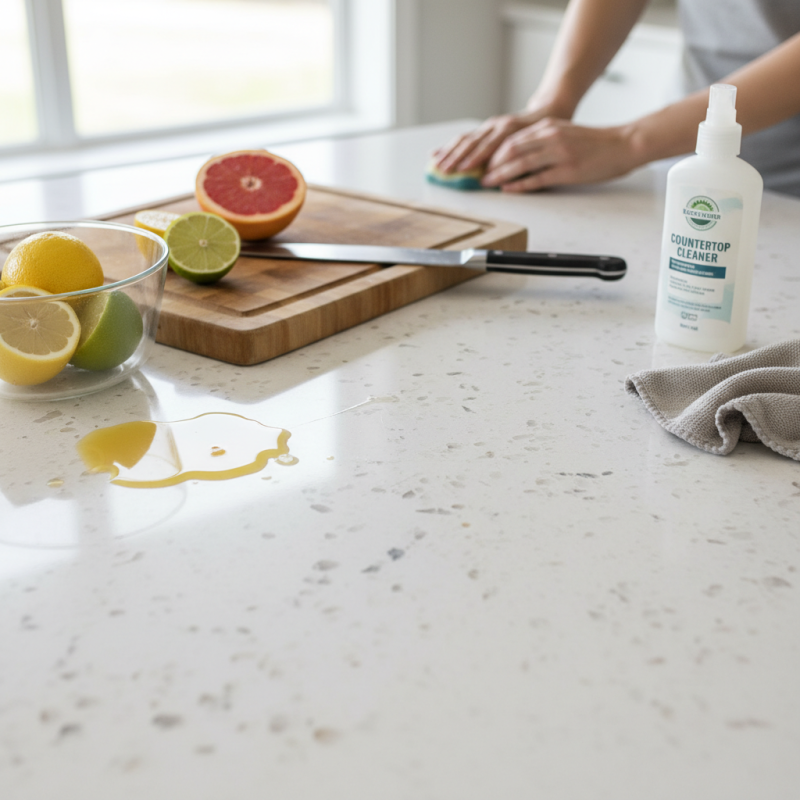
Characteristics of Quartz: Stain Resistance and Durability
Quartz countertops are increasingly popular among homeowners. Their unique composition gives them remarkable stain resistance. Unlike natural stones, quartz is engineered. This means it can resist staining from various liquids like wine and coffee. However, spills should be wiped quickly to maintain this quality.
Durability is another key feature of quartz. It can withstand the rigors of daily life. Chopping, hot pans, and utensils won't easily scratch its surface. Still, using cutting boards is a wise choice. This helps preserve the beauty of the surface. Even though quartz is tough, it is not indestructible. Heavy impacts can cause cracks or chips.
Tips: Always use trivets for hot items. This prevents potential damage. Clean with mild soap and water for the best results. Avoid harsh chemicals or abrasive materials. Lastly, consider resealing the surface periodically. This can enhance its resilience against stains and scratches.
Quartz Surface Stain Resistance and Scratch Durability
This chart illustrates the performance ratings of quartz in terms of stain resistance and scratch durability. Quartz is known for its high stain resistance rated at 9 out of 10, while its scratch durability stands at 8 out of 10, indicating that it is a suitable choice for homeowners seeking durable and low-maintenance surfaces.
Industry Data on Quartz Scratching and Staining Rates
When considering quartz surfaces for countertops, understanding
scratching and
staining rates is crucial. A recent industry report highlights
that around 7% of homeowners report issues with
scratches on their quartz countertops. While this seems low, it emphasizes the need for awareness among potential buyers.
Most scratches occur from abrasive materials or heavy kitchen tools being improperly used on the surface.
Staining, on the other hand, poses a different challenge. Research indicates that quartz surfaces are less vulnerable to
staining compared to natural stone surfaces. About 3% of surveyed homeowners experienced
staining, primarily due to exposure to highly pigmented liquids like red wine or coffee. Yet, quartz is generally
non-porous, making it resistant to many common stains. However, caution is still necessary. Even minor spills should be
cleaned up promptly to maintain the surface's appearance. The durability of quartz is notable, but no material is
impervious to wear and tear over time.
Comparative Analysis: Quartz vs. Other Countertop Materials
When considering countertop materials, quartz offers both durability and aesthetic appeal. However, understanding how it compares to other surfaces is crucial for homeowners. Quartz is engineered from 90% crushed stone, making it non-porous. This feature prevents stains from penetrating the surface. For example, spills from coffee or juice can often be wiped clean without leaving marks.
In contrast, natural stones like granite and marble can be more porous. Studies indicate that around 50% of granite surfaces require sealing to resist stains. While granite is hard, it can be more susceptible to scratches. Quartz is less likely to scratch, yet sharp objects can still cause damage. Homeowners should consider that while quartz is resilient, it is not invulnerable.
Tip: Use cutting boards to avoid scratches on any countertop, including quartz. Regular maintenance, like cleaning with soft cloths, will extend longevity.
Remember that no material is perfect. Some homeowners report minor discoloration over time. It’s essential to weigh the pros and cons. Make an informed choice that aligns with your lifestyle.
Best Practices for Maintaining Quartz Countertops
Maintaining quartz countertops requires specific practices to ensure their longevity. Regular cleaning is essential. Use a mild detergent and warm water. Avoid harsh chemicals that can damage the surface. A gentle cloth can help keep the surface pristine. Be cautious with abrasive sponges, as they can create scratches.
Spills can happen, and quartz is better at resisting staining compared to other materials. However, immediate cleaning is still important. Ensure to wipe up liquids, especially dark or acidic substances, promptly. It’s wise to use coasters and cutting boards, as this can prevent potential damage.
Occasionally, you may notice minor scratches or dullness. If that happens, you can use a fine polishing compound for small areas. For larger issues, consulting a professional is advisable. Being aware of these maintenance tips ensures your quartz looks great for years. Regular attention prevents major issues down the track.
Does Quartz Stain or Scratch Easily for Homeowners? - Best Practices for Maintaining Quartz Countertops
| Feature |
Rating (1-5) |
Notes |
| Stain Resistance |
4 |
Resists most common stains but may absorb some liquids if not cleaned quickly. |
| Scratch Resistance |
5 |
Very durable and solid surface; scratches can happen but are less common. |
| Heat Resistance |
3 |
Can withstand moderate heat; avoid placing hot pots directly on surfaces. |
| Maintenance Ease |
5 |
Easy to clean with mild soap and water; lacks significant upkeep requirements. |
| Longevity |
5 |
Durable material that can last for many years with proper care. |
Common Misconceptions About Quartz Stain and Scratch Resistance
When considering quartz surfaces for their stain and scratch resistance, homeowners often hold misguided beliefs. Many think quartz is impervious to all types of stains and scratches. In reality, quartz surfaces are engineered with resin to enhance durability, but they are not invincible.
According to industry reports, while quartz is rated highly for stain resistance, certain substances like red wine or coffee can leave marks if not cleaned promptly. This can lead to unexpected concerns for homeowners. Furthermore, quartz can develop scratches under certain conditions, especially with abrasive materials. A report from the National Kitchen and Bath Association highlights that while quartz has a Mohs hardness of 7, it is still susceptible to damage under high-impact conditions.
Tips: For maintaining quartz surfaces, clean spills immediately to prevent staining. Use cutting boards to minimize scratches. Regular maintenance, such as using mild soap and soft cloths, also helps preserve the shine and finish of the material.
Some homeowners may neglect these precautions, leading to unnecessary wear. Understanding the limitations of quartz surfaces creates a realistic expectation. Ultimately, knowing the facts about quartz can help homeowners make informed choices.
FAQS
: Quartz is engineered from 90% crushed stone, making it durable and non-porous.
Quartz is less porous and stains less than granite. However, granite may require sealing.
Yes, quartz can scratch. Using cutting boards helps to prevent scratches on the surface.
Use mild detergent and warm water. Avoid harsh chemicals that may damage the surface.
Wipe up spills promptly. This prevents stains, particularly from dark or acidic liquids.
You can use a fine polishing compound on small areas. For larger issues, consult a professional.
Quartz resists stains well, but immediate cleaning helps maintain its appearance.
Minor discoloration may occur over time. Regular maintenance can help minimize these effects.
Regular cleaning with soft cloths and avoiding abrasive sponges are key practices.
No, while quartz is resilient, it is not invulnerable and can still sustain damage.
Conclusion
The article titled "Does Quartz Stain or Scratch Easily for Homeowners?" delves into the durability and maintenance of quartz countertops. It emphasizes the stain resistance and durability characteristics of quartz, supported by industry data outlining scratching and staining rates. A comparative analysis is provided, highlighting quartz's advantages over other countertop materials. Best practices for maintaining quartz countertops are discussed, ensuring homeowners can keep their surfaces in pristine condition. Additionally, the article addresses common misconceptions about the susceptibility of quartz to stains and scratches, providing a comprehensive understanding for homeowners questioning: does quartz stain or scratch easily? Overall, it reassures readers of quartz’s reliability as a durable and maintenance-friendly option for countertops.

 Zenlith Stone
