Natural stone has been celebrated for its timeless beauty and durability in construction and design. However, many homeowners and builders often wonder, "is natural stone worth the cost?" The answer to this question is not straightforward, as it encompasses aesthetic, functional, and economic considerations. In recent industry reports, it has been noted that natural stone can increase property value by up to 10%. This statistic alone raises critical considerations for project budgets.
Renowned architect and natural stone expert, Dr. Emily Ford, explained, “Investing in natural stone is not just about the price; it’s about long-term value and sustainability.” Her insights highlight an essential aspect of natural stone: its longevity. Unlike synthetic materials, natural stone can withstand harsh conditions and require minimal maintenance. However, the initial cost can be a significant factor, prompting reflection on whether the investment aligns with project goals.
Ultimately, the decision demands critical evaluation. Factors include design preferences, environmental impact, and financial implications. Each project is unique, and what might be worth the cost in one scenario may not be in another. As the industry evolves, understanding these nuances will prove essential for informed decision-making regarding natural stone use.
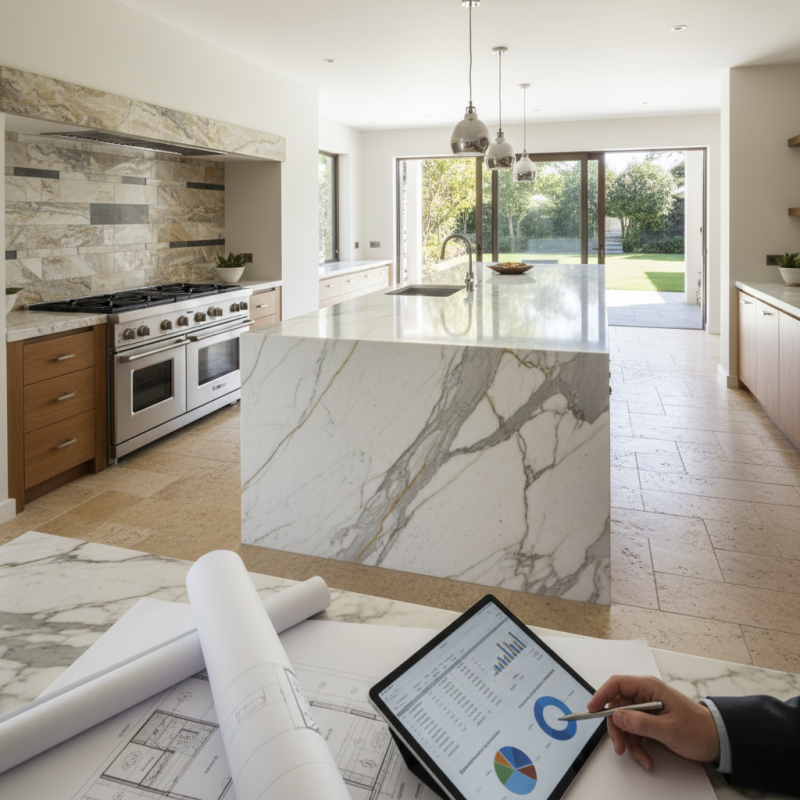
Understanding Natural Stone and Its Appeal in Construction
Natural stone has long captivated builders and homeowners alike. Its unique appearance adds elegance and character to any space. According to a recent survey by the Natural Stone Institute, about 70% of homeowners value natural stone for its durability and longevity.
Construction professionals often appreciate natural stone for its low maintenance needs. This material can withstand the test of time and harsh weather conditions. It has a natural resilience that many synthetic materials lack. However, sourcing and installation costs can be quite high. This raises the question of whether natural stone offers true value for money in your project.
While the beauty of natural stone is undeniable, some drawbacks exist. Variability in color and texture can lead to mismatches. Additionally, availability may be limited in certain regions, potentially delaying projects. Careful consideration of these factors is essential when deciding whether to incorporate natural stone into your construction plans.
Is Natural Stone Worth the Cost for Your Project? Key Insights
Factors Influencing the Cost of Natural Stone Materials
When considering natural stone for your project, several cost factors come into play. The type of stone you choose significantly influences pricing. Granite, marble, and limestone each have unique properties, and their rarity can drive costs. Transportation also adds to your expenses. Extracting stone from remote quarries can lead to higher shipping fees. Local sourcing might save money but could limit your options.
Another critical factor is the finish of the stone. Many finish styles, such as honed or polished, require different processes and labor costs. More intricate designs or custom pieces can elevate the total price. It’s essential to consider installation costs as well. Hiring skilled professionals to work with natural stone is vital to ensure quality results, but it may increase your budget.
Budgeting for natural stone isn't always straightforward. It's tempting to focus only on the initial cost, but durability is another aspect. Investing in high-quality natural stone can lead to long-term benefits. Reflecting on your choices may reveal whether short-term savings are truly worth the potential drawbacks down the line. Balancing aesthetics with practicality can be a challenge, but careful consideration can yield satisfying results.
Comparing Natural Stone to Alternative Building Materials
When it comes to building materials, natural stone stands out for its uniqueness. Each piece tells a story, offering a one-of-a-kind aesthetic. This can add immense value to any project. However, it is essential to weigh this against alternative materials like concrete, tile, or synthetic stone. Each option has its pros and cons.
Natural stone is known for durability and longevity. It can withstand harsh weather and heavy traffic. On the flip side, installation can be complex, often requiring professional expertise. Alternatives like concrete are easier to work with and less expensive upfront. But they may lack the elegance and personality of natural stone.
Consider the long-term implications. While natural stone might seem like a higher initial investment, its durability can lead to lower maintenance costs over time. However, if budget constraints are significant, assessing the total lifecycle costs of each material can help inform a better decision. Each project is unique, so reflect carefully on your specific needs.
Assessing the Longevity and Maintenance of Natural Stone
Natural stone is often praised for its aesthetic appeal and durability. However, understanding its longevity and maintenance requirements is crucial for any project. According to the Natural Stone Institute, properly maintained natural stone can last for decades, sometimes even a century. This lifespan is significantly longer than many synthetic alternatives, which often need replacing much sooner.
However, maintenance can be a challenge. Natural stone surfaces require regular sealing to protect against stains and moisture. Failure to do so can lead to deterioration over time. A report from the Building Stone Institute states that untreated granite can absorb water, leading to cracks and chips in the long run. Even high-quality materials aren't immune to issues, which reflects the importance of ongoing care.
It's essential to consider the environment in which the stone will be used. Areas with high humidity or freeze-thaw cycles can affect stone performance. Surface treatments can mitigate such issues, yet they add to overall costs and maintenance efforts. Each project should be assessed individually, weighing these factors against the initial investment in natural stone. The decision must also factor in the long-term benefits of beauty and durability that this material can offer.
Real-Life Applications and Aesthetic Benefits of Natural Stone
Natural stone offers unique aesthetic benefits that can elevate any project. Its rich textures and natural colors create a timeless appeal. When you choose natural stone, you invite elegance into your space. The variations in stone ensure that each piece is one-of-a-kind. This uniqueness cannot be replicated with synthetic materials. Homeowners often find that natural stone enhances both interiors and exteriors beautifully.
Real-life applications show that natural stone is versatile. It works well in kitchens, bathrooms, and outdoor patios. A granite countertop can serve as a stunning centerpiece. Pebble tiles create a spa-like ambiance in a bathroom. Each application highlights the stone’s durability and beauty. However, the weight and maintenance requirements of natural stone are factors to consider. Ensure your structure can support heavier materials.
Tips for using natural stone include selecting the right type for your needs. For high-traffic areas, consider harder stones like granite or quartzite. For aesthetic appeal, softer stones like marble can add luxury but may require more care. Remember that sealing is important to protect the surface from stains. Measure carefully to minimize waste during installation. Understanding these aspects will enable you to maximize the natural stone's benefits.
Is Natural Stone Worth the Cost for Your Project? 5 Key Insights
| Dimension |
Natural Stone |
Alternative Materials |
Aesthetic Benefits |
| Durability |
Highly durable, resistant to scratching and heat |
Moderately durable, can scratch or dent more easily |
Timeless elegance and unique patterns |
| Maintenance |
Requires sealing periodically; low overall maintenance |
May require frequent replacement and upkeep |
Natural beauty enhances property value |
| Cost |
Higher upfront cost but longer lifespan |
Lower initial investment, but higher long-term costs |
Unique designs can be a focal point in spaces |
| Environmental Impact |
Natural and sustainably sourced, low carbon footprint |
May include synthetic components that are less eco-friendly |
Adds natural ambiance and enhances well-being |
| Versatility |
Suitable for a wide range of applications, indoors and outdoors |
Limited applications, may not work in all settings |
Complements various architectural styles |
FAQS
: Properly maintained natural stone can last for decades, sometimes even up to a century.
Regular sealing is crucial to protect against stains and moisture.
Without sealing, untreated stone can absorb water, leading to cracks and chips over time.
Yes, high humidity or freeze-thaw cycles can impact how stone performs.
Yes, surface treatments can add to costs and require ongoing maintenance efforts.
Each piece of natural stone has rich textures and colors, making it one-of-a-kind.
Harder stones like granite or quartzite are ideal for high-traffic areas.
It creates elegance and timeless appeal, enhancing both interior and exterior spaces.
By selecting the right type and sealing surfaces properly to prevent stains.
Weighing maintenance requirements and ensuring your structure can support heavier materials is important.
Conclusion
Natural stone has long been admired for its beauty and durability, making it a popular choice in construction. However, one may wonder, "is natural stone worth the cost?" Several key factors influence its pricing, including material availability, extraction processes, and shipping expenses. Compared to alternative building materials, natural stone often stands out in terms of aesthetic appeal and environmental sustainability.
Moreover, assessing the longevity and maintenance requirements reveals that natural stone can endure the test of time with proper care, often requiring less upkeep than synthetic alternatives. Real-life applications showcase its versatility, as it enhances both residential and commercial spaces. Ultimately, while the initial investment may be higher, the long-term benefits of natural stone, including its timeless appeal and robustness, often justify the cost for many projects.

 Zenlith Stone
