When considering kitchen surfaces, the question arises: "Is marble good for kitchen use?" In recent years, marble has gained popularity due to its aesthetic appeal. Many homeowners are drawn to its elegant look and unique patterns. This natural stone can elevate the overall design of any kitchen.
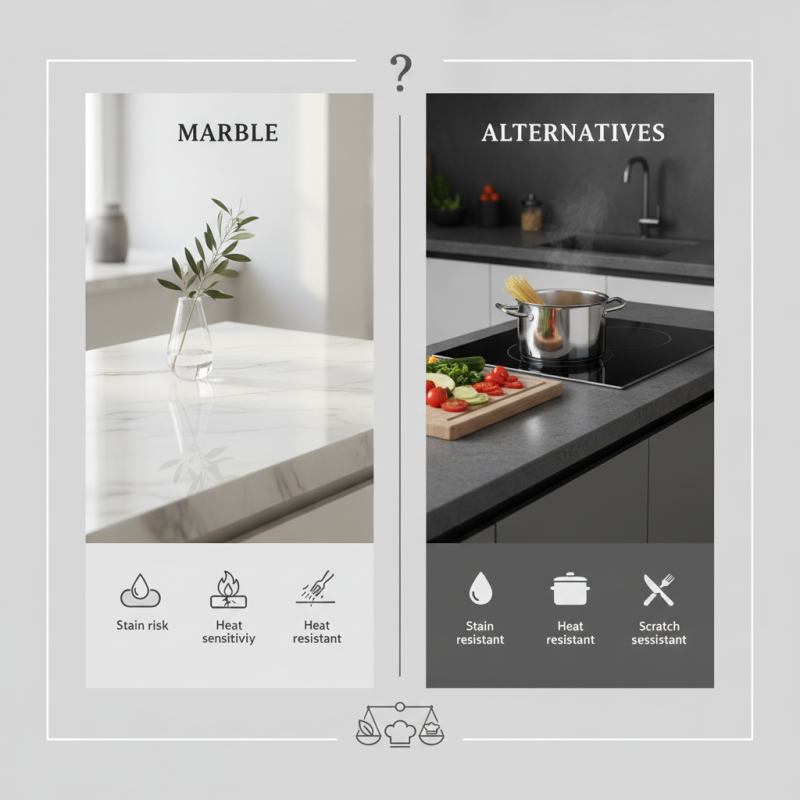
However, there are important factors to weigh before making a decision. Marble is porous and can stain easily if not properly sealed. Its susceptibility to heat and scratches also raises concerns for everyday kitchen tasks. Those planning a kitchen renovation should carefully reflect on their lifestyle and cooking habits.
Ultimately, while marble offers beauty, it comes with significant maintenance demands. Prospective buyers need to ponder whether the aesthetic benefits outweigh potential practical drawbacks. Exploring alternatives might also be beneficial in finding the perfect balance between style and functionality.
Is Marble Durable Enough for Kitchen Surfaces in 2026?
Marble is a classic choice for kitchen surfaces. Its beauty is undeniable. However, when considering durability, it has its pros and cons. Marble can resist heat, but it is softer than other stones. Scratches and dents may appear over time. In busy kitchens, this can become an issue.
Regular maintenance is crucial. Sealing marble countertops can help protect them. However, it won't make them indestructible. Acidic substances, like lemon juice or vinegar, can cause stains. Spills should be wiped up quickly to avoid discoloration.
**Tips:** Use coasters and cutting boards. This will help prevent damage. Also, clean with pH-neutral cleaners. Excessive scrubbing can dull the surface. Think about how you use your kitchen. If you cook frequently, marble may not be the best fit. Explore options like quartz or granite, which are more durable and require less upkeep.
Is Marble Good for Kitchen Use in 2026 Best Options? - Is Marble Durable Enough for Kitchen Surfaces in 2026?
| Material |
Durability |
Maintenance |
Cost ($ per sq ft) |
Style Options |
Heat Resistance |
| Marble |
Moderate |
High (Regular sealing required) |
50 - 100 |
Variety of colors and patterns |
Good |
| Quartz |
High |
Low (No sealing needed) |
70 - 150 |
Wide range of colors |
Excellent |
| Granite |
Very High |
Moderate (Occasional sealing) |
40 - 100 |
Diverse patterns |
Excellent |
| Laminate |
Low |
Very Low (Easy upkeep) |
15 - 40 |
Limited options |
Fair |
| Concrete |
High |
Moderate (Sealing needed) |
30 - 80 |
Customizable |
Good |
The Pros and Cons of Using Marble for Kitchen Countertops
Marble countertops have long been admired for their beauty and elegance. Their natural veining adds a unique touch to any kitchen. This aesthetic appeal is certainly a strong advantage, making them a popular choice among homeowners. Besides, marble remains cool, making it perfect for rolling out dough or baking. These functional aspects enhance the cooking experience, especially for avid bakers.
However, marble does have its drawbacks, which require careful consideration. It is porous and can stain easily if spills are not wiped up promptly. This can pose a challenge, especially in a busy kitchen. Additionally, marble is softer than other materials, making it prone to scratching and chipping. Regular maintenance is essential, increasing long-term costs.
In terms of practicality, not every homeowner may find marble suitable. Some might struggle with its upkeep and feel overwhelmed. If these issues aren't addressed, the beauty can quickly diminish. This invites the question: is marble really the right fit for your kitchen? The decision requires weighing the stunning appearance against the practical challenges it brings.
Comparative Analysis: Marble vs. Other Popular Kitchen Materials
When considering kitchen materials, marble often stands out. However, its practicality versus alternatives deserves scrutiny. Marble's porous nature can lead to staining, especially from acidic substances like lemon juice. Reports indicate that over 30% of homeowners express concerns about marble's upkeep compared to quartz or granite. In contrast, quartz surfaces are engineered to resist scratches and stains, making them a popular choice for busy kitchens.
Tips: Regular sealing of marble can help mitigate staining issues. Employ coasters and cutting boards to protect the surface further.
Another aspect to consider is durability. While marble can last many years, its susceptibility to chipping under heavy impact can be a drawback. According to industry surveys, nearly 25% of users report damage in the first few years. Granite, on the other hand, offers enhanced resilience and withstands heat better than marble. This characteristic makes it a preferred option for those who frequently use hot cookware.
Tips: Maintain a consistent cleaning routine to prolong the life of marble surfaces. Opt for gentle, non-abrasive cleaners to avoid damage.
In conclusion, kitchen material selection involves weighing aesthetics against practicality. Many homeowners find that while marble offers timeless beauty, it may not meet their needs for durability and ease of maintenance. Engaging with professionals for more tailored advice can lead to better choices that fit individual lifestyles.
Care and Maintenance Tips for Marble Kitchen Installations
Marble can be a stunning choice for kitchen use, but it requires care. One key aspect of marble maintenance is sealing. Regular sealing prevents stains and etches caused by acidic substances. You should seal your marble countertops every six months, but check for wear. Not all areas need the same frequency of sealing; some may require it more often.
Cleaning is another crucial element. Use a gentle soap and water solution for daily cleanup. Avoid harsh chemicals, as they can dull the surface. Simple is often better. Spills should be wiped quickly to avoid lasting damage. Using coasters and placemats helps protect the marble from knives and hot items.
Keep in mind that marble is porous. Despite its beauty, it shows fingerprints and smudges quite easily. You’ll likely find yourself wiping it down more often than other surfaces. Take the time to assess any imperfections. A small scratch can often be polished out, but deeper etches might need professional help. Embracing the character of marble requires some adjustment, but with the right approach, it can shine beautifully in your kitchen.
Marble Durability and Maintenance Analysis for Kitchen Use
Top Marble Options and Trends for Kitchen Design in 2026
Marble is becoming a popular choice for kitchen design in 2026. Its unique patterns and colors add elegance. Many homeowners appreciate how marble transforms a space. However, it also has some drawbacks. Marble is porous and can stain easily. Regular sealing is necessary to protect its surface.
Among the top choices this year, white marble remains a favorite for its timeless appeal. It pairs well with various cabinetry styles. Grey veining adds a subtle contrast, enhancing visual interest. Darker marbles, like black or deep green, create a dramatic look. These options offer a modern twist and are becoming trendy.
Another emerging trend is incorporating marble in unexpected areas. For example, using marble for backsplashes can make a statement. It adds depth and texture to the kitchen. Additionally, smaller accents, like marble cutting boards or coasters, bring sophistication without overwhelming the design. Each choice should be thoughtful, reflecting personal style and practicality in the kitchen space.
FAQS
: Marble is beautiful but softer than other materials. Scratches and dents can appear over time.
Regular sealing is important. However, it won’t make marble indestructible.
Yes, substances like lemon juice can cause stains. Wipe spills quickly to avoid discoloration.
Use coasters and cutting boards. Clean with pH-neutral cleaners and avoid excessive scrubbing.
Marble can be challenging in busy kitchens due to its softness and staining potential.
White marble is popular for its timelessness. Darker marbles create a dramatic modern look.
Yes, it's stylish for backsplashes. It adds texture and makes a statement in the kitchen.
Think about how often you cook. Consider potential maintenance challenges and long-term costs.
Yes, quartz and granite are more durable options with less upkeep required.
If not maintained, its beauty can diminish. Regular care is necessary to preserve its elegance.
Conclusion
In the context of 2026, the article explores the question: "Is marble good for kitchen use?" It discusses the durability of marble surfaces, evaluating whether they can withstand the demands of a busy kitchen environment. The pros and cons of using marble for kitchen countertops are analyzed, highlighting its aesthetic appeal alongside potential challenges like susceptibility to stains and scratches.
Further, a comparative analysis of marble against other popular kitchen materials provides insights into the best options for homeowners. Tips for care and maintenance of marble installations are included to ensure longevity. Finally, the article outlines the latest trends in marble choices and designs, suggesting that while marble can be a stunning addition to kitchen spaces, understanding its properties is essential for informed decision-making.

 Zenlith Stone
