Engineered stone is making waves in the global market. According to a report by the Global Industry Analysts, the engineered stone market is projected to reach $22.75 billion by 2027. This surge is largely driven by the material's aesthetic appeal, durability, and low maintenance. As Luke Morgan, a leading expert in construction materials, noted, "Engineered stone meets the demands of modern design while offering unbeatable performance."
Factors contributing to why engineered stone is becoming popular include its variety of colors and textures, mimicking natural stone. It also offers better resistance to stains and scratches compared to traditional materials. Homeowners and designers appreciate these qualities. Moreover, the environmental benefits cannot be overlooked. Many manufacturers use recycled materials, appealing to eco-conscious consumers.
However, not all options are created equal. Some lower-quality engineered stones may not perform as expected. Consumers are advised to choose recognized brands. The rise of engineered stone signifies a shift towards practicality in design, reflecting changing consumer preferences. This trend is reshaping the future of interior design.
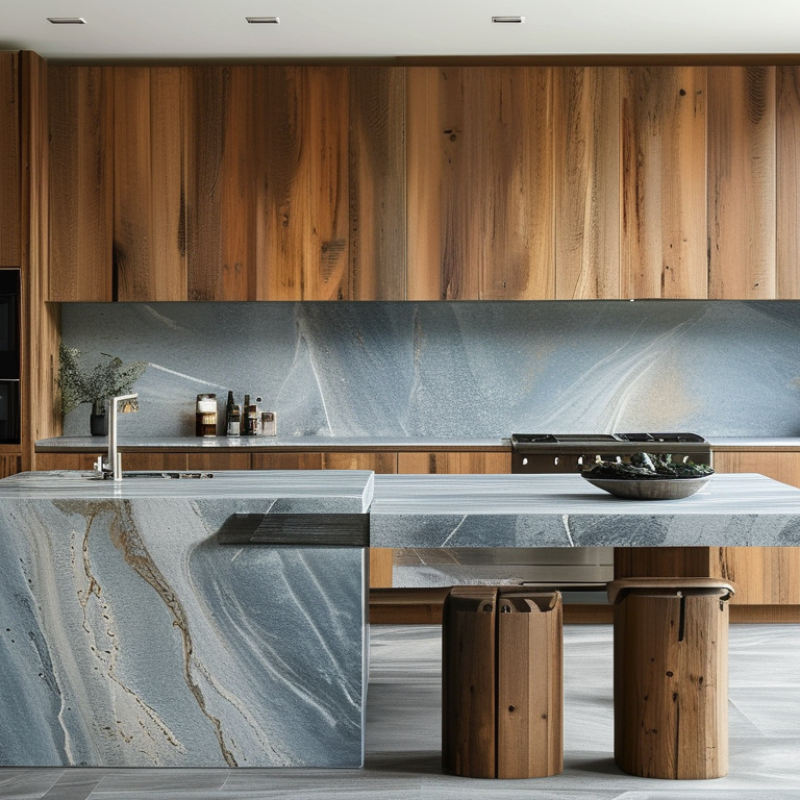
The Definition and Composition of Engineered Stone
Engineered stone is a popular material in modern constructions. It is a composite made of crushed stone, resins, and pigments. This combination provides strength and durability, making it ideal for countertops and flooring. The result is a surface that is both attractive and functional.
Many people are drawn to engineered stone for its versatility. It can mimic the appearance of natural stones like marble and granite. However, it often comes at a lower cost and requires less maintenance. This accessibility attracts homeowners and builders alike.
Tips for choosing engineered stone:
- Check the composition. Look for high-quality resins that enhance durability.
- Consider the color and pattern options. Choose one that complements your design.
- Think about the intended use. Some variations work better in high-traffic areas.
Some flaws may appear, despite its advantages. Scratches can happen, and heavy impacts may cause chips. Regular care can mitigate these risks. Engineered stone does have its limitations, and awareness is crucial when selecting materials for projects.
Why is Engineered Stone Gaining Popularity Worldwide? - The Definition and Composition of Engineered Stone
| Aspect |
Details |
| Definition |
Engineered stone is a composite material made of crushed stone bound together by a resin, polymer, or cement. |
| Composition |
Typically consists of 90-95% stone aggregates and 5-10% resin or binding agent. |
| Benefits |
Durability, low maintenance, variety of colors and patterns, and resistance to staining and scratching. |
| Applications |
Used in countertops, flooring, wall cladding, and various building projects. |
| Environmental Impact |
Often made with recycled materials, reducing waste and environmental footprint. |
| Market Trends |
Increasing demand in residential and commercial sectors, driven by aesthetic appeal and Sustainability. |
Key Advantages of Engineered Stone Over Natural Stone
Engineered stone is becoming a global favorite for various reasons. One of its key advantages is durability. Unlike natural stone, engineered stone is engineered to resist stains, scratches, and chips. This makes it ideal for kitchens and high-traffic areas. Homeowners appreciate that it maintains its aesthetic appeal with minimal maintenance.
Another significant benefit is design versatility. Engineered stone can mimic the look of natural stone while offering a broader range of colors and patterns. This versatility allows designers and homeowners to create unique aesthetics that suit modern tastes. It is also often more uniform in appearance compared to natural stone, which can have unpredictable variations.
**Tip:** When selecting engineered stone, consider how it will fit with your overall interior design. Think about lighting and furniture colors.
Cost-effectiveness is another factor driving its popularity. Engineered stone often comes at a lower price point than many natural stones. This makes it accessible for a wider audience. However, it’s essential to weigh the long-term benefits versus initial costs.
**Tip:** Research the installation process and costs. Understand what the total investment will be for your project.
Why is Engineered Stone Gaining Popularity Worldwide?
Trends Driving the Global Popularity of Engineered Stone
Engineered stone has seen a surge in popularity globally, driven by several key trends. One major factor is its aesthetic versatility. Homeowners and designers appreciate the variety of colors and patterns available. This material can mimic natural stones while offering a more uniform appearance.
Another trend is its durability. Engineered stone is resistant to scratches, stains, and heat. This makes it ideal for both home and commercial use. People are increasingly aware of the long-term benefits of investing in quality materials.
Tip: When choosing engineered stone, consider maintenance requirements. Some finishes may need more care than others. Select a style that complements your lifestyle.
Sustainability is also a growing influence. Many consumers today prioritize eco-friendly products. Engineered stone often uses recycled materials, appealing to environmentally conscious buyers. It’s essential to research the sourcing practices of the stone.
Tip: Look for certifications that indicate a product’s environmental impact. These labels can guide you toward more responsible choices.
Despite its rise, not every engineered stone is equally made. Some may lack the quality expected. Be cautious and always verify the manufacturer’s reputation. A well-informed decision can enhance your space for years to come.
Applications of Engineered Stone in Residential and Commercial Spaces
Engineered stone is becoming increasingly popular in both residential
and commercial spaces. One key application is in countertops.
According to the 2021 Stone Industry Statistical Data report, the engineered
stone segment has grown by 38% over the past five years. This material offers
durability and aesthetic appeal. Homeowners are often drawn to its low maintenance needs and versatility
in design.
In commercial settings, engineered stone is widely used for flooring and wall cladding.
Research by the National Association of Home Builders indicates that
45% of new commercial buildings incorporate engineered stone finishes. The material's
resistance to wear and easy cleaning make it ideal for high-traffic areas. However, some architects express
concerns about its environmental impact during production.
Installation practices for engineered stone also deserve attention.
Proper installation is crucial to prevent chipping or cracking over time. Reports suggest that a significant
number of improperly installed surfaces lead to dissatisfaction.
Understanding these factors is paramount for consumers and builders alike.
Sustainability and Environmental Impact of Engineered Stone Products
Engineered stone is becoming increasingly popular for a variety of reasons, particularly due to its sustainability and environmental impact. Unlike natural stone, engineered stone is composed of up to 90% recycled materials, which significantly reduces the demand for quarrying. Reports indicate that this can cut down carbon emissions by approximately 30%, which is a crucial factor in combatting climate change.
One important aspect to consider is the lifecycle of engineered stone products. They often last longer than natural stone, which means fewer replacements and waste. However, many consumers may overlook the fact that the production process can still be energy-intensive. It’s essential to assess if local production options are available, as this can greatly reduce transportation emissions.
Tips: Always ask about the sourcing of materials. Knowing whether a product utilizes local resources can support sustainability efforts. Also, consider the end-of-life impact of your choice. Recycling options can vary significantly. By making informed decisions, consumers can contribute positively to environmental goals while enjoying the beauty of engineered stone.
FAQS
: Engineered stone is composed of crushed stone, resins, and pigments. This combination provides strength and durability.
Homeowners appreciate its versatility and low maintenance needs compared to natural stones.
Check the composition, color options, and think about the intended use for the best selection.
Yes, scratches and chips can occur. Regular care is needed to maintain its appearance.
Engineered stone can mimic natural stones but often at a lower cost and with less maintenance.
Aesthetic versatility, durability, and a focus on sustainability are driving interest in engineered stone.
Many types use recycled materials, but it's important to research their sourcing practices for sustainability.
Yes, it is ideal for both residential and commercial applications due to its resistance to wear.
Improper installation can lead to chipping or cracking, affecting satisfaction. It’s crucial to consider installation practices.
Always check the manufacturer's reputation and look for certifications that indicate environmental impact.
Conclusion
Engineered stone is gaining popularity worldwide due to its unique composition and advantages over traditional natural stone. Made from a blend of crushed stone, resins, and pigments, engineered stone offers greater uniformity in appearance and enhanced durability. Its resistance to stains, scratches, and heat makes it an ideal choice for both residential and commercial applications.
Several trends contribute to why engineered stone is becoming popular, including the growing demand for sustainable building materials and customizable design options. As more consumers prioritize eco-friendly products, engineered stone’s reduced environmental impact and resource-efficient manufacturing processes resonate well with modern values. Its versatility in various applications, from countertops to flooring, further solidifies its place in contemporary interior design, establishing it as a preferred material in today’s market.

 Zenlith Stone
