When embarking on a stone project, choosing the right material can be daunting. Homeowners often ask, "which stone is easiest to maintain?" This decision affects not only aesthetics but also long-term care and costs. Some stones require minimal upkeep, while others can become a burden.
Consider the differences between granite, marble, and limestone. Granite is renowned for its durability and resistance to stains, making it a popular choice. On the other hand, marble, while beautiful, demands more caution and frequent sealing. Limestone offers a rustic charm but needs regular maintenance to prevent wear.
While these options present unique characteristics, it’s crucial to weigh your specific needs. Reflect on your lifestyle and how much effort you can invest in maintaining the stone. Often, the simplest choice might not be the most visually appealing. Finding a balance between beauty and practicality is key in this decision-making process.
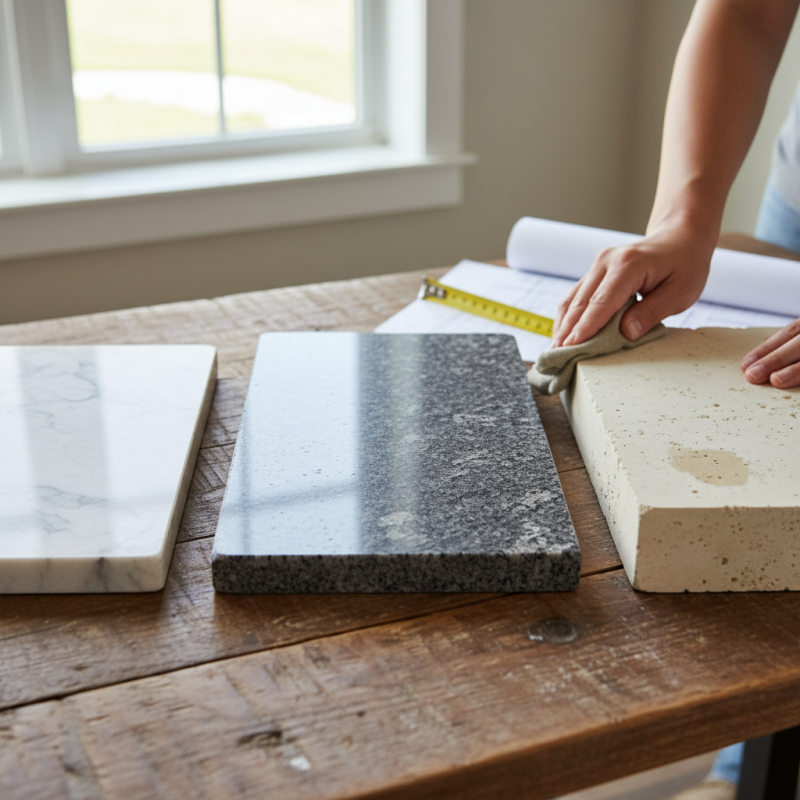
Types of Stones Commonly Used in Construction Projects
When selecting stones for construction projects, it's vital to consider
maintenance needs.
Different stone types have distinct characteristics that influence their ease of upkeep.
For instance, granite is renowned for its durability
and low porosity, making it easy to clean and resistant to staining.
According to a study by The Stone Council, granite requires minimal sealing—every
5-10 years—making it an ideal choice
for busy environments.
On the other hand, softer stones like
limestone or sandstone
may require more frequent care. These materials are aesthetically pleasing but can be
prone to wear and degradation. For example, limestone can absorb moisture and may need
sealing every 3-5 years. A report from
the National Stone Institute highlights how poor maintenance can lead to significant
degradation, especially in outdoor settings where weather conditions can vary.
Ultimately, the right choice depends on the specific needs of your project. Stone
selection should balance aesthetic desires
with maintenance capabilities. This process can often lead to reflections on
cost, appearance, and
longevity. In the end, even a popular material
might bring unforeseen maintenance challenges, emphasizing the importance of thorough research.
Factors Influencing Stone Maintenance Requirements
When choosing a stone for your project, maintenance is a critical factor.
Different stones require varying levels of care. For example, porous stones like limestone can absorb stains easily.
This leads to discoloration and the need for sealants.
Regular cleaning and sealing are crucial for these materials.
The environment also plays a significant role in stone maintenance. Areas with high humidity can promote mold and mildew on certain stones.
In contrast, dry climates might result in cracks over time. Seasonal weather changes can also create wear on some stones.
Another factor is the use of the stone. A kitchen countertop demands a different maintenance routine than outdoor paving stones.
Heavy foot traffic can wear down finishes, while kitchen surfaces may require tougher, stain-resistant choices.
Consider the stone's finish too; polished surfaces might need less upkeep than honed ones.
Everyone's experience will differ depending on these variables.
Comparative Analysis of Stone Durability and Maintenance
When choosing stone for your project, maintenance often plays a crucial role. A comparative analysis of stone durability reveals stark differences among materials. For instance, granite, known for its strength, requires less maintenance than softer stones like marble. A report by the Natural Stone Institute notes that granite has a lifespan of over 100 years and can withstand harsh weather conditions. This durability minimizes the need for frequent upkeep.
In contrast, limestone, while aesthetically pleasing, is more porous. It absorbs stains easily and can deteriorate under excessive moisture. According to the Journal of Sustainable Materials, limestone may need sealing every 1-3 years to maintain its appearance. This brings additional costs and labor, making it less ideal for high-traffic areas. Ultimately, understanding the maintenance needs of different stones informs better decisions for your project, balancing beauty and practicality.
Which Stone Is Easiest to Maintain for Your Project?
Cost-Effectiveness of Low-Maintenance Stones
When considering low-maintenance stones, it's essential to evaluate their cost-effectiveness. Many suitable options require minimal upkeep, making them ideal for budget-conscious projects. For instance, granite stands out for its durability and resistance to stains. It maintains its appearance, reducing the need for regular sealing or refinishing.
Another option is quartzite, which combines beauty and toughness. It does not harbor bacteria and can withstand harsh weather conditions. Fortunately, this resilience means less frequent repairs. However, some may underestimate the initial investment. The longevity of these materials often translates to more savings over time.
On the flip side, not all low-maintenance stones perform equally. Limestone, while stunning, can be challenging to maintain due to its porosity. It might require additional sealing and can be prone to staining. Homeowners should weigh these factors carefully before deciding. A well-informed choice can lead to a balance between aesthetic appeal and practicality.
Tips for Choosing the Right Stone for Easy Maintenance
Choosing the right stone for your project can seem daunting, especially with maintenance in mind. Some stones, like granite and slate, are known for their durability. They resist staining and require minimal upkeep.
However, they can be costly and heavy. Lightweight stones such as limestone or travertine offer easy handling but may stain more easily. This is where careful selection becomes crucial.
Consider the project location and use. Outdoor spaces deal with harsher conditions. In such cases, stones that can withstand weathering are essential. Avoid softer stones in these areas. For indoor projects, aesthetics might trump durability. A beautiful marble can elevate a space but will need regular sealing. Think about your lifestyle. If you have pets or children, opt for more forgiving materials. It’s essential to weigh beauty against practicality.
Reflect on your priorities. Easy maintenance often comes at a cost. Some choices may not offer the best longevity. For example, while a polished surface looks appealing, it may require more frequent cleaning. Remember, the right choice balances beauty, durability, and ease of upkeep. Don’t rush this decision. Take your time to find the perfect stone for your needs.
FAQS
: Consider maintenance, location, and how the stone will be used.
Granite is durable, requires less maintenance, and lasts over 100 years.
Limestone may need sealing every 1-3 years to prevent stains and damage.
Softer stones may require frequent sealing and maintenance, raising upkeep costs.
They are easy to handle but may absorb stains more easily than heavier stones.
Yes, if you have pets or children, choose more durable and forgiving materials.
Easy maintenance often comes with higher costs and may lack longevity.
Outdoor areas need stones that withstand harsher weather conditions and are more durable.
Yes, but beware that beautiful stones like marble may require more upkeep.
Taking your time ensures you find a balance between beauty, durability, and maintenance.
Conclusion
In the quest to determine which stone is easiest to maintain for construction projects, it is essential to explore various types of stones commonly used. Factors such as porosity, hardness, and susceptibility to weathering play a significant role in influencing maintenance requirements. A comparative analysis reveals that certain stones, like granite and quartzite, generally offer superior durability and require less upkeep compared to softer stones like limestone and sandstone.
Moreover, cost-effectiveness is an important consideration, as low-maintenance stones often lead to savings over time despite higher initial costs. When selecting the right stone for easy maintenance, prospective builders should prioritize durability and maintenance needs, ensuring their choice meets both aesthetic and practical requirements for their projects. Ultimately, identifying which stone is easiest to maintain will greatly enhance the longevity and performance of the construction.

 Zenlith Stone
