China Top Natural Stone Does It Need Sealing?

Time:2026-10-03 Author:Ethan
0%

When choosing China top natural stone, many buyers ask, “does natural stone need sealing?” The honest answer is not always. Granite, marble, limestone, slate, and quartzite absorb liquids differently. A polished black granite countertop may resist coffee stains, while a honed limestone floor can darken quickly after one spill. The stone’s mineral structure, finish, location, and expected use all matter.

Stone restoration expert Fred Hueston offers a practical reminder: “Not all stone needs to be sealed.” His view supports a test-based approach rather than automatic treatment. Place a few drops of water on an unused area for ten minutes. If the stone becomes noticeably darker, it may need a suitable impregnating sealer. If no color change appears, sealing might add little protection. This simple test is useful, but it is not perfect.

A China stone supplier should provide technical data, absorption information, and maintenance guidance. Ask whether the slab is suitable for kitchens, bathrooms, exterior walls, or heavy foot traffic. A sealer can reduce staining, but it cannot prevent scratches, etching, poor installation, or standing water. It also cannot make soft limestone behave like granite. That expectation causes trouble.

Sealing is maintenance, not magic. Some surfaces need resealing every few years, while others may need it sooner. Cleaning products also matter. Acidic cleaners can damage marble, even when the stone is sealed. In this guide, we examine when sealing helps, when it is unnecessary, and how to test China natural stone before installation. The careful answer may feel less convenient, but it is more reliable.
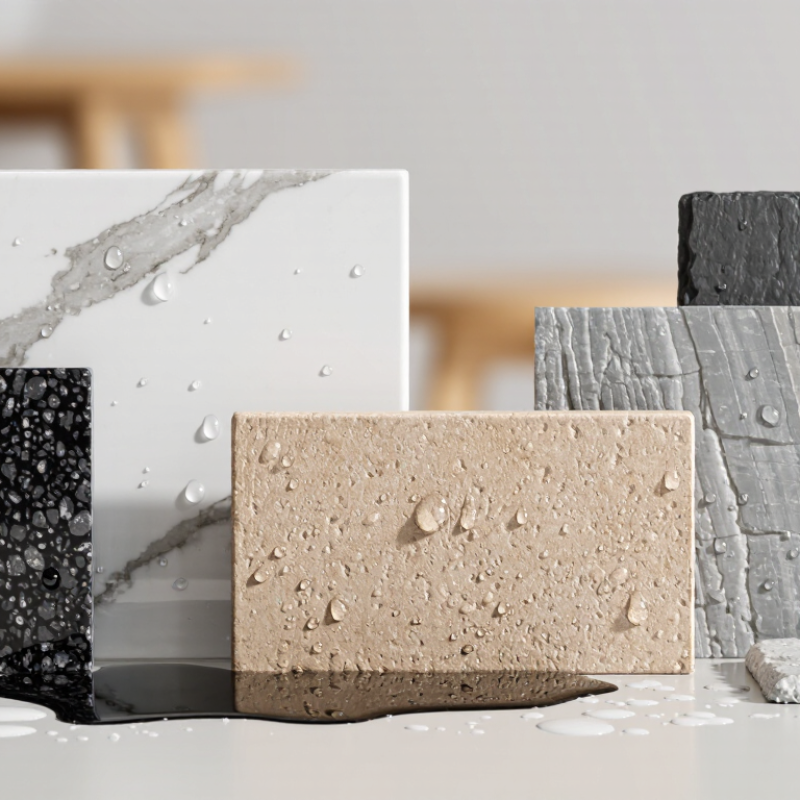
China Top Natural Stone Does It Need Sealing?

What Is Natural Stone Sealing?

Natural stone sealing is the controlled application of a protective treatment to stone surfaces. The treatment enters open pores or forms a thin surface layer. It reduces the absorption of water, oil, coffee, and other staining liquids. It does not make stone completely waterproof. It also cannot stop scratches, chips, or acid etching.

During site inspections, I test an unseen area with a few drops of water. Darkening may indicate that the stone absorbs moisture quickly. A white cloth can reveal loose dust, residue, or color transfer. Clean, dry stone must receive the sealer. Trapped moisture may cause uneven marks or a cloudy finish. This step is often rushed, and that is a mistake.

Porous limestone, marble, travertine, and some granite may benefit from sealing. Dense stone may need little or no treatment. The correct choice depends on porosity, location, finish, and expected traffic. Kitchens and outdoor areas usually require stricter testing than decorative walls. A penetrating sealer normally preserves the natural appearance. A topical sealer can change texture and may wear unevenly under heavy use. Always follow the product’s curing time and ventilation guidance. I have seen beautiful stone sealed too often, creating residue instead of protection. A small test area is still the safest beginning.

Which Types of China Top Natural Stone Need Sealing?

China’s top natural stone does not automatically need sealing. The stone’s mineral structure and porosity matter more than its origin. In practice, porous limestone, sandstone, slate, and many marble varieties usually need a suitable impregnating sealer. They can absorb cooking oil, coffee, wine, and muddy water through tiny surface openings.

Marble needs extra care. Sealing can slow staining, but it cannot stop etching from lemon juice, vinegar, or other acids. Honed marble often absorbs more quickly than highly polished marble. Sandstone is generally more absorbent, especially around outdoor paving and shower areas. Slate may also require sealing because its layered surface can trap moisture and dirt. Test first.

Granite is often less porous, but some varieties still benefit from sealing. Dark, dense granite may need little protection, while lighter or visibly grainy stone can absorb liquids faster. Quartzite should be tested rather than assumed to be maintenance-free. A practical check is simple: place a few drops of water on a clean, dry area for 10 to 15 minutes. A darker mark suggests absorption.

Use a sealer made for the stone’s finish and location. Clean the surface thoroughly, let it dry fully, and follow the product’s curing time. Over-sealing can leave a cloudy film. That mistake is common. Sealing also does not replace prompt cleaning, gentle detergents, or regular inspection. Even experienced installers can misjudge a slab without testing an offcut first.

How to Prepare Natural Stone Before Sealing

China Top Natural Stone: Does It Need Sealing?

How to Prepare Natural Stone Before Sealing

Natural stone should be prepared before sealing, not treated as a quick weekend shortcut. The Natural Stone Institute advises testing a small, hidden area first. This matters because polished granite, honed limestone, and textured slate absorb liquids differently. I once assumed darker stone needed more sealer. That was an unreliable shortcut.

Begin by removing dust, cement film, grease, and old coating residue. Use a stone-safe cleaner and a white nylon pad. Avoid acidic cleaners on limestone, marble, and other calcium-based stones. Rinse thoroughly, then remove standing water with a wet vacuum or clean towel. The surface must dry completely. A damp slab can trap moisture beneath the sealer.

ASTM C97/C97M measures natural stone water absorption as a percentage by mass. Ask the fabricator for this test data when available. Higher absorption usually signals a greater need for protection, but it does not determine sealer quantity alone. Porosity, finish, traffic, and installation location also matter. Natural Stone Institute guidance recommends a controlled test area before full application. Follow the sealer’s technical sheet for coverage, dwell time, and curing. Do not rush this part. A clean surface can still hold moisture inside. If the stone darkens unevenly during testing, stop and reassess the preparation.

How to Choose and Apply a Suitable Sealer

China’s natural stone varies widely, from dense granite to absorbent limestone and marble. A suitable sealer depends on porosity, finish, and location. Do not choose by color alone. A penetrating sealer usually suits floors, worktops, and outdoor stone because it enters the pores without forming a thick surface film. A topical sealer may deepen color or add sheen, but it can scratch or trap moisture.

Test before sealing.

Place a few drops of clean water on an unnoticed area. If the stone darkens within several minutes, it may need protection. Clean the surface with a pH-neutral stone cleaner, then remove grease, dust, and old residue. Let the stone dry fully; damp pores can cause cloudy patches. I once underestimated drying time, and the finish looked uneven for days. That mistake still influences my practice.

Apply the sealer in thin, even coats with a lint-free cloth, roller, or suitable brush. Follow the product’s coverage and curing instructions rather than guessing. Work in small sections, keeping a wet edge. After the recommended dwell time, wipe away excess sealer completely. Do not allow it to pool in joints or textured areas. Ventilate the room and wear appropriate protective equipment. Recheck the surface after curing, especially near sinks, entrances, and shower walls. Some stones need renewed protection sooner than expected. A simple water test every few months can reveal changing absorption before stains become difficult to remove.

How to Maintain Sealed Natural Stone Surfaces

Natural stone maintenance begins with understanding absorption, not applying sealer automatically. ASTM C97/C97M test reports measure water absorption as a percentage. Dense granite may absorb less than 1%, while some limestone can exceed 5%. These figures vary by quarry, finish, and sample.

Clean sealed surfaces with a pH-neutral stone cleaner and a soft microfiber mop. Avoid vinegar, lemon, bleach, and abrasive powders. They can dull polished stone or weaken cement-based grout. Remove coffee, oil, and muddy water quickly. A sealed surface is not stain-proof. It only slows penetration.

Test the sealer in a hidden corner first. Pour a few drops of water onto clean stone and wait 15 minutes. A darkened mark suggests the surface may need protection, although this test is imperfect. The Natural Stone Institute recommends following the sealer manufacturer’s coverage and curing guidance, while its Dimension Stone Design Manual stresses substrate and stone-specific evaluation. Reapply only when absorption returns, often after one to three years in busy areas. Kitchens, entrances, and outdoor paving need closer inspection. I have seen over-sealed stone become cloudy. More product is not better. Regular inspection remains the safer habit.

China Top Natural Stone: Does It Need Sealing? – How to Maintain Sealed Natural Stone Surfaces

Stone Type Typical Porosity Is Sealing Recommended? Common Applications Suggested Resealing Guidance
Granite Low to medium; varies by mineral structure Usually recommended for unpolished or frequently used surfaces; some dense slabs may need less frequent treatment Kitchen worktops, floors, façades, vanity tops Test annually; reseal when water darkens the surface or absorption becomes noticeable
Marble Medium to high Recommended to reduce staining; sealing does not prevent acid etching or scratches Bathrooms, wall cladding, floors, decorative surfaces Check every 6–12 months in wet or high-traffic areas
Limestone Medium to high Generally recommended because the stone can absorb liquids and oils relatively easily Interior flooring, wall tiles, fireplaces, exterior cladding Inspect every 6–12 months; exterior surfaces may require more frequent checks
Travertine Medium to high; often contains natural voids Recommended after filling and finishing, especially in kitchens, bathrooms, and outdoor areas Showers, patios, floors, feature walls Test every 6–12 months and inspect filled areas for wear
Slate Low to medium, depending on the variety and finish Often recommended for cleft, honed, or outdoor surfaces Floors, roofs, patios, shower walls Inspect annually; exposed areas may need earlier maintenance
Quartzite Low to medium; varies among stones sold under this category Often recommended for kitchen and bathroom installations after a water-absorption test Countertops, floors, wall panels, vanity tops Test annually and follow the installer’s care instructions
Onyx Medium to high Recommended because the stone can be relatively absorbent and is often used in decorative installations Feature walls, reception counters, bathroom surfaces Inspect every 6–12 months; use gentle cleaning methods to protect the finish

Natural Stone Sealing and Maintenance Checklist

Maintenance Task Recommended Practice Avoid Purpose
Routine cleaning Use a soft cloth or mop with warm water and a pH-neutral stone cleaner Abrasive powders, rough pads, and strongly alkaline cleaners Removes surface soil without dulling or scratching the finish
Spill response Blot spills promptly with a clean, absorbent cloth Wiping acidic or oily spills across a large area Limits staining and reduces the chance of etching
Acid protection Use coasters, trays, and cutting boards; clean acidic residues immediately Vinegar, lemon juice, acidic descalers, and harsh bathroom chemicals Prevents chemical etching on calcium-based stones such as marble and limestone
Sealer testing Place a few drops of water on a clean, inconspicuous area and observe absorption Relying only on a fixed calendar or assuming every stone needs the same interval Helps determine whether the protective treatment remains effective
Sealer application Apply a compatible impregnating or topical sealer to a clean, dry surface according to the product instructions Applying sealer over moisture, dirt, wax, or incompatible coatings Improves resistance to staining while preserving the selected finish
Drying and curing Keep the surface dry and free from heavy use for the time specified by the sealer manufacturer Washing, covering, or placing heavy objects on the surface too soon Allows the protective treatment to cure evenly and perform properly
Professional assessment Consult a qualified stone-care professional for persistent stains, etching, cracks, or unknown existing coatings Using aggressive chemicals or mechanical polishing without identifying the stone and finish Reduces the risk of permanent damage and unsuitable repairs

Note: Sealing improves resistance to staining but does not make natural stone completely stain-proof, scratch-proof, or acid-proof. The correct treatment depends on the stone’s mineral composition, porosity, finish, location, and level of use.

FAQS

What does natural stone sealing do?

Sealing reduces absorption of water, oil, coffee, and other staining liquids. It does not make stone waterproof. It cannot prevent scratches, chips, or acid etching.

Which natural stones commonly need sealing?

Porous limestone, sandstone, slate, marble, and some granite often need sealing. Dense stone may need little or no treatment. Test the actual surface first.

How can I test whether stone needs sealing?

Place a few drops of water on a clean, hidden area. Wait 10 to 15 minutes. A darkened mark suggests moisture absorption. The test is simple.

Why must stone be completely dry before sealing?

Trapped moisture can create cloudy patches, uneven marks, or a dull finish. Clean the surface thoroughly, then allow full drying. I once underestimated drying time. The result looked uneven for days.

Which sealer suits floors and outdoor stone?

A penetrating sealer usually suits floors, worktops, and outdoor surfaces. It enters pores without creating a thick surface film. A topical sealer may add sheen, but it can scratch or trap moisture.

Does sealing prevent marble from etching?

No. Sealing may slow staining, but it cannot stop acid etching. Lemon juice and vinegar can still dull marble. Wipe spills quickly.

How should a sealer be applied?

Apply thin, even coats with a lint-free cloth, roller, or suitable brush. Work in small sections with a wet edge. Remove excess sealer after the recommended dwell time. Do not let it pool in joints.

Can over-sealing damage the appearance of stone?

Yes. Too much sealer can leave a cloudy film or unwanted residue. A small test area is the safest beginning. Do not choose by color alone. That shortcut can mislead.

Conclusion

Natural stone sealing is the process of applying a protective treatment that helps reduce the absorption of water, oil, stains, and daily contaminants. Whether China top natural stone needs sealing depends on its mineral structure, porosity, surface finish, and location. Stones such as marble, limestone, travertine, and some granite may benefit from sealing, especially in kitchens, bathrooms, entrances, and outdoor areas. Before sealing, the surface should be cleaned thoroughly, allowed to dry completely, and checked for existing stains, cracks, or surface damage.

Choosing a suitable sealer requires matching the product to the stone type, finish, and intended use. Apply it evenly according to the instructions, avoid excessive buildup, and allow sufficient curing time before using the surface. Sealed stone still needs regular care, including prompt spill removal, gentle cleaning, and periodic inspection. With proper preparation, application, and maintenance, natural stone can retain its color, texture, and performance for many years while remaining easier to protect from everyday wear.

Ethan

Ethan

Ethan is a seasoned marketing professional with a deep expertise in our company's innovative product line. With a passion for sharing knowledge and insights, he takes the lead in regularly updating our corporate blog, where he explores industry trends, product features, and effective marketing......