When comparing natural stone and engineered stone, understanding the fundamental differences is crucial. The global stone market has seen significant growth, reaching $65 billion in 2022, according to a report by Grand View Research. This underscores the importance of informed choices in materials.
Experts like Dr. Sarah Thompson, a leading geologist, have emphasized the complexities of these differences. She states, “Natural stone offers uniqueness that engineered stone can mimic, but cannot replicate.” This highlights the inherent value found in natural materials.
Choosing between these types can be challenging. Each has its benefits and drawbacks. Factors such as durability, maintenance, and aesthetics play essential roles. The decision ultimately rests on personal preferences and project requirements. The "natural stone vs engineered stone differences" debate continues, stirring passion among builders and homeowners alike.
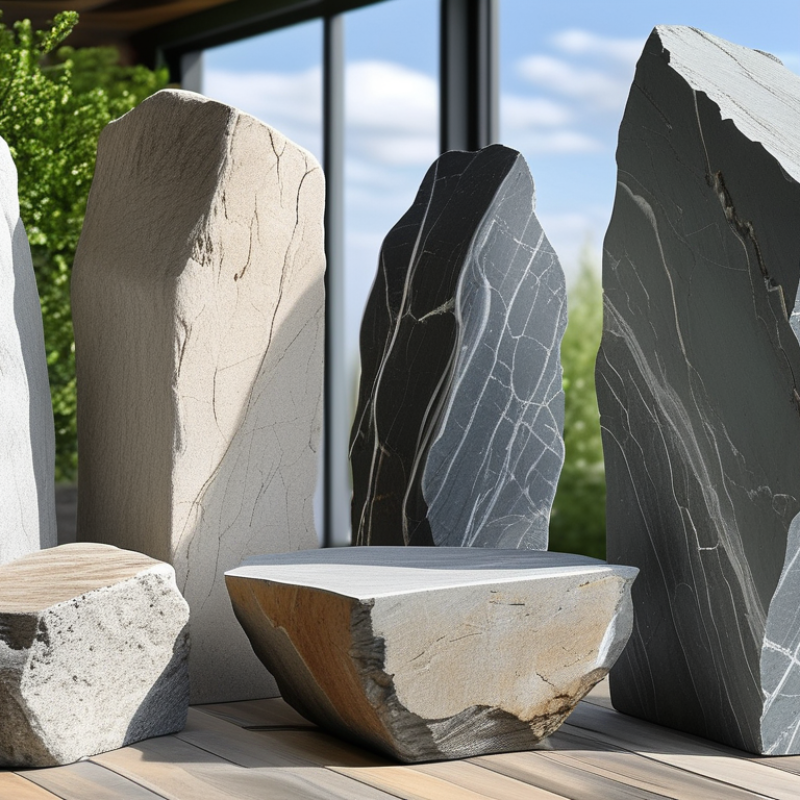
Natural stone and engineered stone have unique characteristics that cater to different aesthetic and practical needs. Natural stone, such as granite or marble, is quarried directly from the earth. Each slab has unique markings and colors, making every installation one-of-a-kind. The natural stone is also highly durable and can withstand high temperatures, which makes it a preferred choice for kitchen countertops. However, its porous nature can lead to staining if not properly sealed.
On the other hand, engineered stone combines natural stone with resins and other materials. This process allows for more consistent patterns and colors, providing a uniform look. Engineered stone is non-porous, which makes it less prone to staining and easier to maintain. However, it may not hold up as well under extreme heat compared to natural stone.
Both options have their pros and cons. There’s a charm in the unpredictable beauty of natural stone, but it requires regular maintenance. Engineered stone offers modern appeal but may lack the character of its natural counterpart. Knowing these intricacies helps in making an informed choice.
When considering the cost of natural stone versus engineered stone, it’s essential to understand the factors involved. According to a recent industry report, natural stone prices range from $50 to $200 per square foot. In contrast, engineered stone typically costs between $40 and $150 per square foot. This difference can make engineered stone a more appealing option for budget-conscious consumers.
However, the price isn't the only consideration. Natural stone offers unique beauty and durability but can involve higher maintenance costs over time. Engineered stone, while generally less expensive upfront, may lack the authenticity and character of natural options. This choice involves weighing initial cost against long-term value.
Tip: Always factor in installation costs, which can range from $15 to $30 per square foot for both materials. When budgeting, include these figures in your calculations.
Be mindful that the market fluctuations can impact pricing. Material availability and sourcing may also affect costs. Ensure you research thoroughly before making a decision. Buying habits can change, and staying informed is key.
When considering sustainability and environmental impact, the differences between natural stone and engineered stone are significant. Natural stone is sourced directly from quarries, often with minimal processing. This practice allows for a low carbon footprint. However, the extraction of natural stone can disrupt local ecosystems. Habitats may be destroyed, leading to long-term environmental consequences. The transportation of these heavy materials also contributes to carbon emissions.
Engineered stone, on the other hand, is made from a blend of natural resins and stone particles. The production process is often more controlled and can use recycled materials. This aspect makes engineered stone appealing for those concerned about waste. Yet, the manufacturing process consumes energy and can generate harmful byproducts. The sustainability of engineered stone greatly depends on the materials and methods used in its production.
Both stone types pose environmental challenges. Each has its pros and cons regarding sustainability. Homeowners and builders must carefully weigh these factors. Choosing a material should reflect not only aesthetic preferences but also a commitment to minimizing environmental impact. Decisions made today may affect future generations. Consider local sourcing and ethical production practices wherever possible.
When comparing natural stone and engineered stone, maintenance is a crucial factor. Natural stone, such as granite or marble, requires regular sealing to protect against stains and moisture. According to the Natural Stone Institute, sealing can extend the life of the stone, but it needs to be done every six to twelve months, depending on the type and usage. Neglecting this can lead to costly repairs or replacements.
On the other hand, engineered stone, which consists of quartz and resin, offers a more forgiving maintenance routine. It is non-porous, making it more resistant to staining. A report from the World Economic Forum indicates that engineered stone surfaces can be easier to clean; simply wiping with mild soap and water is often sufficient. However, while they are less likely to show wear, they require careful handling to prevent chipping.
Though both options have their advantages and drawbacks, homeowners should consider lifestyle factors when choosing. Natural stone brings uniqueness and beauty but demands dedication in upkeep. Engineered stone offers convenience but may lack the same degree of authenticity. Finding the right balance is essential for lasting satisfaction.
| Feature | Natural Stone | Engineered Stone |
|---|---|---|
| Composition | Formed naturally over millions of years | Made from crushed stone and resin |
| Durability | Highly durable but can chip or crack | Very durable and resistant to chipping |
| Maintenance | Requires regular sealing | Low maintenance, no sealing required |
| Appearance | Varied and unique natural patterns | Consistent appearance, customizable colors |
| Stain Resistance | More porous, prone to stains | Non-porous, highly resistant to stains |
| Cost | Generally more expensive | Typically more affordable |
| Heat Resistance | Resistant but can crack under extreme heat | Very heat resistant |
| Eco-Friendliness | Natural and sustainable | Manufactured with some synthetic materials |
| Repairability | Can be repaired with fillers | Difficult to repair if damaged |
| Installation | Complex and labor-intensive | Easier and quicker installation |
When choosing between natural stone and engineered stone, aesthetic appeal is crucial. Natural stone radiates a unique beauty, featuring variations in color and texture. Each slab tells a story, reflecting the geological forces that shaped it over millions of years. This authenticity draws many homeowners and designers to its raw elegance. The organic patterns in granite or marble create focal points in kitchens and bathrooms. Such stones often complement traditional and rustic designs beautifully.
On the other hand, engineered stone offers adaptability that natural stone cannot match. It comes in a variety of colors and finishes, allowing for more design freedom. The uniformity in appearance can create a sleek, modern look, perfect for minimalist spaces. However, some may find this predictability can lack the charm of its natural counterpart. The choice between these stones may leave one pondering whether to choose uniqueness or uniformity in their design choices. Each has its merits and shortcomings, reflecting the diverse needs of today’s homeowners.
: Natural stone is unique, durable, and can withstand high temperatures. Each slab features distinct colors and patterns.
Natural stone requires sealing every six to twelve months to prevent staining and moisture issues.
Engineered stone is non-porous, making it more resistant to staining and easier to clean compared to natural stone.
While durable, engineered stone may not hold up as well under extreme heat like natural stone can.
Natural stone offers unpredictable beauty, while engineered stone provides a more uniform look with consistent patterns.
Homeowners should weigh their lifestyle needs, maintenance preferences, and the aesthetic they desire for their spaces.
Yes, failing to seal natural stone can lead to costly damage from stains and moisture over time.
No, engineered stone requires simple cleaning, often just mild soap and water.
Yes, natural stone demands more dedication in upkeep due to its porous nature.
Yes, engineered stone can chip, so careful handling is necessary to avoid damage.
This article examines the top 10 differences between natural stone and engineered stone, covering various essential aspects. The characteristics of both stone types highlight their unique properties, while the cost comparison offers insights into their affordability and investment value. Sustainability and environmental impact are crucial factors, revealing how each stone type affects the planet. Additionally, maintenance requirements are discussed, emphasizing the care needed for both natural and engineered stones. Finally, the aesthetic appeal of each material demonstrates how they influence design choices in various settings. Understanding these "natural stone vs engineered stone differences" is vital for homeowners and designers alike, aiding them in making informed decisions for their projects.

Zenlith Stone