Choosing the right stone for kitchen countertops is crucial for both aesthetics and functionality. According to a report by the National Kitchen and Bath Association, about 70% of homeowners prioritize materials that are both durable and visually appealing. As you ponder "which stone is best for kitchen countertops," it's essential to consider factors like maintenance, longevity, and cost.
Expert in stone selection, Dr. Mark Stone, emphasizes, “Selecting the right stone can elevate your kitchen's design and value.” Granite, quartz, and marble are popular choices, each offering distinct advantages and challenges. For instance, granite is renowned for its heat resistance but may require sealing. Conversely, quartz is low-maintenance and non-porous, yet some might find it less visually unique due to its manufactured nature.
The variety of options can be overwhelming. It’s important to assess your lifestyle and kitchen use. Balancing beauty and practicality is a delicate task. You might love the look of marble, but its porous nature may not suit a busy family kitchen. Ultimately, your choice should align with your needs and preferences, ensuring future satisfaction.
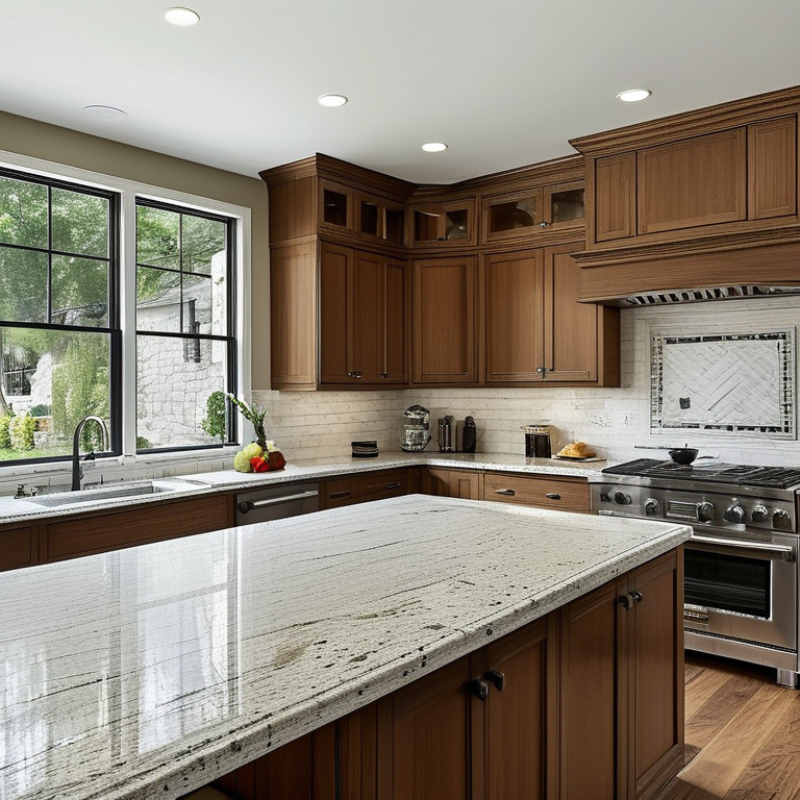
Choosing the right stone for kitchen countertops is crucial. There are several factors to consider to ensure your choice meets both aesthetic and functional needs.
Durability is paramount. Some stones, like granite and quartz, resist scratches and stains better than others. They can handle the daily wear and tear of a busy kitchen.
However, softer stones may require more maintenance, so assess your cooking habits before deciding.
Color and pattern are also important. Each stone has unique veining and colors. Choosing one that complements your kitchen design is essential.
Dark stones can create a dramatic effect, while lighter stones may make a space feel larger. A sample in your kitchen light can reveal much. Additionally, consider the finish.
Polished stones reflect light, while honed finishes have a softer look.
Finally, think about your budget. High-end stones can be expensive. Some may not fit within your financial plan. Balance your desire for aesthetics with practicality.
A beautiful countertop can enhance your kitchen but may not always be functional for everyday use. Reflect on what truly matters in your space and how each stone will behave over time.
When selecting stones for kitchen countertops, understanding their properties is crucial. Granite is a leading choice due to its durability and heat resistance. According to a recent industry report, over 50% of homeowners favor granite for its timeless aesthetic. Each slab features unique patterns, making it distinct. However, granite requires regular sealing to maintain its beauty and resist stains.
Quartz, an engineered stone, consists of about 90% crushed natural stone mixed with resins. This combination provides greater consistency in color and pattern, appealing to many modern homeowners. A study suggests that quartz countertops are non-porous, which means they don’t harbor bacteria. Still, some users feel that its synthetic nature lacks the warmth of natural stones.
Marble is another popular option, celebrated for its elegance. However, it is softer and more prone to scratches and stains than granite or quartz. Industry data indicates that homeowners must be cautious when choosing marble for high-traffic areas. Some may celebrate its classic look but might regret its maintenance needs. Each stone type possesses unique attributes, requiring careful thought before selection.
When selecting the best stone for kitchen countertops, durability and maintenance are crucial factors.
Granite often ranks high due to its robustness. According to a report by the National Kitchen and Bath Association, granite can withstand heat and scratches better than many alternatives. It's also relatively low-maintenance if properly sealed. However, it can be susceptible to stains if spills are not cleaned promptly.
Marble, while stunning, does require more care. Its porous nature makes it vulnerable to etching from acidic substances. A study from the Journal of Stone Technology indicated that frequent sealing is necessary for maintaining its beauty, which might not suit every homeowner's lifestyle. For some, this might feel daunting.
Tip: Regular cleaning with a pH-balanced cleaner can prolong the life of your countertops.
Quartz offers a non-porous surface that resists stains without the need for sealing. However, it may not handle extreme heat as well as granite. This could lead to cracks and chips over time.
Tip: Always use trivets for hot pots to protect your countertops, especially with materials like quartz.
Ultimately, understanding the specific durability and maintenance needs of each stone is key to making a well-informed decision. Each option has its pros and cons, highlighting the necessity of careful consideration based on your cooking habits and lifestyle.
Choosing the right stone for your kitchen countertop is more than just a functional decision.
The aesthetic appeal is crucial.
Color and texture significantly impact the overall look of your kitchen. Think about how the stone will complement your cabinets and flooring.
A dark stone can create a dramatic effect, while lighter shades can bring airiness and brightness.
When considering texture, polished surfaces offer a sleek appearance. They reflect light beautifully, enhancing the color's vibrancy.
On the other hand, honed or matte finishes provide a softer, more understated look.
This option can help hide fingerprints and smudges. Some stones come with natural veining, adding character and uniqueness.
Each slab can look entirely different, giving you a one-of-a-kind feature in your home.
However, not every choice will be perfect. You may love the look of a stone but find it challenging to maintain.
Some stones are more porous and susceptible to stains. It's important to weigh beauty against practicality.
Choosing the perfect stone requires reflection on your lifestyle needs and aesthetic desires.
Ultimately, the right stone should balance beauty and functionality.
Choosing the right stone for your kitchen countertops involves understanding the costs associated with various materials. Common choices include granite, marble, and quartz. Each stone comes with its own price range that can impact your overall budget. For instance, granite is often budget-friendly due to its widespread availability. However, the cost can quickly rise depending on the rarity of the pattern you desire.
Marble, while visually striking, can significantly stretch your budget. It's not only more expensive but also requires more maintenance. This raises the total cost over time. Quartz countertops, known for their durability, often fall in the mid-range. They provide an excellent balance between aesthetics and function. Remember, installation costs also vary, so it’s wise to get multiple quotes before deciding.
Reflecting on your choices is vital. Is the higher cost worth the beauty of marble? How often do you really want to maintain? Weighing these factors can lead to more informed decisions. Ultimately, understanding these cost considerations will help you select the best stone for your kitchen countertop project, aligning both with your vision and budget constraints.
: Focus on durability, color, pattern, finish, and budget. Each factor plays a key role in your decision.
Durable stones like granite resist scratches and stains, making them ideal for daily kitchen use. Softer stones need more care.
The color and pattern of the stone can make your kitchen feel more inviting. Dark stones add drama; light ones expand space.
Polished finishes reflect light and look shiny, while honed finishes are softer and provide a more understated appearance.
High-end stones can be costly. Balance beauty and function. A stunning countertop may not always be practical for everyday use.
Granite is durable and heat resistant. Each slab is unique, but it requires regular sealing to prevent stains.
Quartz is non-porous and consistent in color, which many homeowners find appealing. It doesn’t harbor bacteria but may feel less warm.
Marble is elegant but softer and prone to scratches. It requires careful maintenance, which may not be ideal for high-traffic areas.
No single stone suits every kitchen. Assess your cooking habits and consider each stone's properties to find the best fit.
Reflect on your needs over time. Think about aesthetics and practical use in your cooking space. Perfect choices don’t exist.
When deciding which stone is best for kitchen countertops, several factors must be considered. The type of stone plays a crucial role, with options like granite, marble, and quartz each offering unique properties and aesthetics. Durability and maintenance requirements are essential; for instance, some stones require sealing while others are more resistant to stains and scratches.
Aesthetic appeal is another vital aspect, as the color and texture of the stone can greatly impact the kitchen's overall design. Finally, budgeting is important; costs can vary significantly between different stone materials, so it's essential to weigh each option against your financial constraints. By carefully evaluating these elements, homeowners can select the ideal stone that balances beauty, functionality, and budget for their kitchen countertops.

Zenlith Stone