Can Quartz Be Used Outdoors for Your Projects?

Time:2026-06-13 Author:Isabella
0%

As more homeowners seek durable materials for outdoor projects, a key question arises: can quartz be used outdoors? Renowned expert Jane Smith, a landscape designer with over 15 years of experience, emphasizes, "Quartz is a robust material, but its performance outdoors needs careful consideration."

Quartz offers aesthetic appeal and resilience, yet it’s vital to understand its limitations. While it can withstand temperature changes, long exposure to UV rays may alter its color and finish. Homeowners must also consider the specific type of quartz used; engineered quartz may not be as suitable for outdoor settings compared to natural stones.

Deciding whether to use quartz outdoors requires careful evaluation. Assess the local climate, the installation area, and potential wear from outdoor elements. While quartz can add beauty to patios or walkways, be sure to reflect on these crucial factors before making a decision. Understanding these aspects can lead to better outcomes in outdoor design.
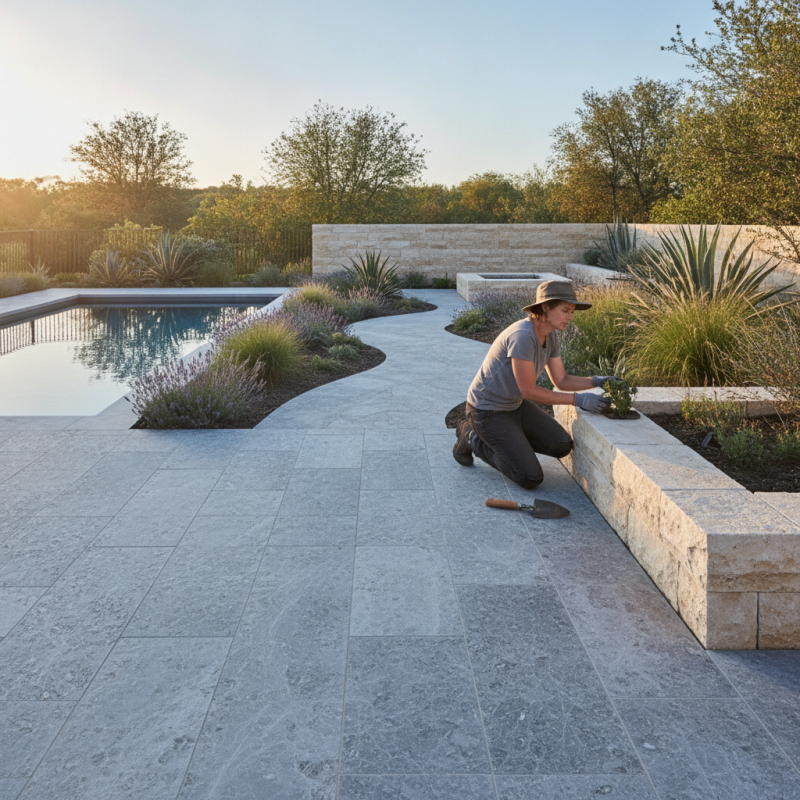
Can Quartz Be Used Outdoors for Your Projects?

Understanding Quartz: Properties and Benefits for Outdoor Use

Quartz is a popular choice for outdoor projects due to its durability and aesthetic appeal. This natural stone is resistant to harsh weather conditions, making it suitable for patios, walkways, and outdoor kitchens. Its non-porous surface means it won't stain easily, an important feature for outdoor settings. Additionally, quartz comes in various colors, allowing for creative designs that can enhance your outdoor space.

When considering quartz for outdoor use, be mindful of its heat retention. On sunny days, the surface can become quite hot, making it uncomfortable to walk on barefoot. Another factor is installation; proper sealing is crucial to ensure longevity. Ensure that your installation team has experience working with quartz outdoors.

**Tips:** Opt for lighter colors if heat is a concern. This can help reduce surface temperatures. Regular maintenance, like cleaning with mild soap, can help maintain the stone's appearance. Remember that while quartz is durable, it can chip if heavy objects fall on it, so exercise caution in high-traffic areas.

Can Quartz Be Used Outdoors for Your Projects? - Understanding Quartz: Properties and Benefits for Outdoor Use

Property Description Benefits for Outdoor Use
Durability Quartz is highly resistant to chipping and scratching. Long-lasting appearance with minimal maintenance.
Weather Resistance Resists damage from UV rays, moisture, and temperature fluctuations. Retains color and integrity under harsh weather conditions.
Maintenance Non-porous surface does not absorb stains. Easy cleaning with soap and water.
Aesthetic Variety Available in various colors and patterns. Customizable appearances to fit different outdoor styles.
Slip Resistance Textured surfaces can provide grip. Safer for pathways and outdoor areas.

Durability of Quartz: How It Performs Under Outdoor Conditions

When considering the use of quartz for outdoor projects, its durability becomes a crucial factor. Quartz is known for its resistance to scratching and staining, making it a popular choice for countertops. However, outdoor conditions present unique challenges. Ultraviolet rays from the sun can cause colors to fade over time. While quartz retains some vibrancy, prolonged exposure may affect its appearance.

Rain, dirt, and harsh weather also test quartz's resilience. While it is non-porous and resists moisture, the surrounding environment can still impact its long-term performance. In regions with extreme temperatures, expansion and contraction could lead to cracks. It's essential to think about local weather conditions before installation. Owners should also consider regular maintenance to preserve the surface and combat any potential weather-related wear.

Some users might find that quartz requires more care than they anticipated. A simple cleaning routine may not be sufficient in all scenarios. Surfaces in high-traffic areas could show signs of wear sooner. It's wise to evaluate these factors based on your specific outdoor setting. By doing so, you ensure that quartz remains a viable choice for your outdoor design needs.

Best Practices for Installing Quartz Outdoors

When considering outdoor projects, quartz can be a striking choice. However, proper installation is key to achieving durability and beauty. One essential practice is to ensure a stable base. A strong, level foundation prevents shifting and cracking over time. Using compact gravel or concrete helps maintain the integrity of the quartz surface.

Another critical aspect is drainage. Water accumulation can damage quartz, especially in freeze-thaw cycles. Incorporating drainage solutions like gentle sloping or channel drains can extend the lifespan of your quartz installations. Choosing the right adhesive is also essential; outdoor conditions demand more resilient bonding agents that can handle temperature swings.

Lastly, regular maintenance plays a significant role. Even the most durable quartz can suffer if neglected. Clean spills promptly, and avoid harsh chemicals. Sealing the surface once a year can enhance its performance and aesthetics. Reflecting on these practices will lead to successful outdoor quartz projects.

Maintenance Tips for Outdoor Quartz Surfaces

Maintaining outdoor quartz surfaces is essential for their longevity and appearance. Regular cleaning is crucial. Use a gentle soap with water to remove dirt and stains. Avoid harsh chemicals that might damage the surface. A soft cloth or sponge works best. Make sure to rinse thoroughly to prevent residue buildup.

Occasionally, inspect your quartz for scratches or chips. These imperfections can accumulate over time and detract from the beauty of the surface. While quartz is durable, it isn’t invincible. Be mindful of heavy objects that may cause cracks or other damage. Address any issues promptly to maintain the surface’s integrity.

Seasonal maintenance plays a vital role. In fall, remove leaves and debris that can cause discoloration. During the winter, be careful with ice-melting products. Some can harm the quartz, leading to unexpected repairs. Reflect on your cleaning habits. Are they consistent? Regular attention will ensure your quartz surfaces remain visually appealing and functional for many years.

Common Outdoor Projects Suitable for Quartz Applications

When considering outdoor projects, quartz can be an excellent material. Its durability and resistance to weather make it suitable for many applications. From patio surfaces to garden countertops, quartz can elevate your outdoor space. However, the environment can pose challenges that you should keep in mind.

One common project is using quartz for outdoor kitchens. It offers a modern look and withstands heat and spills. Make sure to select a finish that resists scratches and stains. Another great application is creating quartz benches or tables. They provide a sleek, functional space for gatherings. Yet, you might find the weight of quartz a consideration during installation.

Tips: Always check for local climate conditions. Extreme temperatures can affect quartz. If you’re using quartz for steps, consider adding a textured surface. This will enhance safety and prevent slips. The beauty of quartz is that it combines style with practicality, making it a wise choice for outdoor use.

FAQS

: What are the benefits of using quartz for outdoor projects?

: Quartz is durable and visually appealing. It resists harsh weather and won’t stain easily, ideal for patios.

How does heat affect outdoor quartz surfaces?

Quartz retains heat. On sunny days, surfaces can get hot, so avoid walking barefoot if it's sunny.

What maintenance is required for outdoor quartz?

Regular cleaning is essential. Use mild soap and water only. Avoid harsh chemicals or abrasives.

Can quartz chip or crack?

Yes, quartz can chip if heavy objects fall on it. Be cautious in areas with high foot traffic.

How should I deal with seasonal maintenance?

In fall, remove leaves to prevent staining. In winter, be mindful of ice-melting products that may harm quartz.

Is quartz suitable for outdoor kitchens?

Yes, quartz is ideal for outdoor kitchens. It withstands spills and heat, adding a modern look to your space.

What color should I choose for outdoor quartz surfaces?

Opt for lighter colors to reduce heat retention. This makes surfaces more comfortable to walk on.

Are textured quartz surfaces important?

Yes, textured surfaces enhance safety, especially on steps, and help prevent slips in wet conditions.

How often should I inspect my quartz surfaces?

Regular inspections for scratches or chips are vital. Address imperfections promptly to maintain appearance and integrity.

What should I reflect on after cleaning quartz?

Consider the consistency of your cleaning habits. Regular attention is key to keeping quartz visually appealing.

Conclusion

Quartz is a versatile material often questioned for its suitability in outdoor projects. The article "Can Quartz Be Used Outdoors for Your Projects?" explores its properties and benefits that make it a viable option for outdoor use. With its durability against harsh weather conditions, quartz can withstand the elements effectively, making it a reliable choice for patios, walkways, and countertops.

Installation best practices are crucial to ensure that quartz performs optimally outdoors, along with regular maintenance tips to preserve its appearance and longevity. Overall, common outdoor projects suitable for quartz applications demonstrate its functionality and aesthetic appeal, reaffirming that yes, quartz can be used outdoors with the right precautions and care.

Isabella

Isabella

Isabella is a dedicated marketing professional with a sharp focus on driving brand growth and engagement through strategic content creation. With an extensive background in digital marketing, she combines her passion for storytelling with her keen understanding of industry trends to deliver......