Best Stones for Heat Resistance Which One Holds Up Best?

Time:2026-07-05 Author:Aria
0%

When it comes to stones used in heat-intensive environments, the question arises: "which stone resists heat better?" Expert geologist Dr. Emily Carter states, "Granite and quartzite are exceptional for withstanding heat." Her research highlights how these stones perform under extreme temperatures.

Understanding the heat resistance of different stones is crucial for various applications. For instance, kitchen countertops, fireplaces, and outdoor grills all require materials that can withstand high thermal stress. Misjudging stone heat resistance can lead to cracks or degradation over time.

Moreover, various stones have distinct thermal properties. While granite performs well, materials like soapstone also deserve attention for their ability to absorb and retain heat. This complexity raises questions about stone selection and suitability for specific uses. Choosing the right stone demands careful consideration and knowledge.
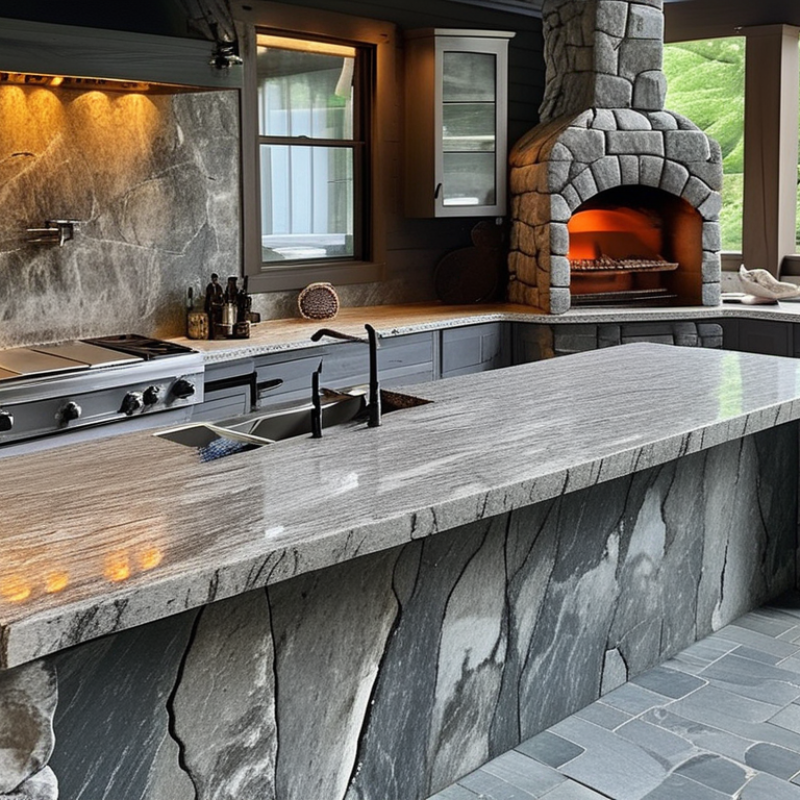
Best Stones for Heat Resistance Which One Holds Up Best?

Types of Stones Commonly Used for Heat Resistance

When it comes to heat resistance, certain types of stones stand out. Granite is a popular choice. It has a high melting point and excellent durability. Many kitchens feature granite countertops for this reason. However, it can be prone to chipping if not handled carefully.

Another strong contender is soapstone. Its natural composition allows it to withstand high temperatures without cracking. This makes it ideal for fireplaces and stoves. Yet, it is softer than granite, leading to scratches over time.

Quartzite is also worth mentioning. It offers a blend of beauty and heat resistance, but its sealing requirements can be a drawback.

Limestone, while not as heat resistant as the others, provides a rustic appeal. It can be used in outdoor patios and fireplaces, but it may require more maintenance.

Each stone type has its advantages and disadvantages. The right choice depends on personal needs and preferences, as well as the specific application.

Factors Affecting Heat Resistance in Stones

When considering heat resistance in stones, various factors play a crucial role. The mineral composition is a primary aspect. For instance, igneous rocks like granite often exhibit excellent heat resistance due to their crystalline structure. Reports indicate granite can withstand temperatures exceeding 1,600°F (870°C) without significant damage. Conversely, sedimentary stones like limestone may falter under extreme heat, showing potential for cracking and structural failure.

Another critical factor is porosity. Stones with low porosity possess better heat resistance. High porosity can trap heat and moisture, leading to deterioration. A study found that stones with less than 2% porosity demonstrated improved thermal stability. Additionally, the rate of thermal expansion impacts heat resistance. Materials expanding at different rates can lead to fractures over time. Understanding these elements can guide selections in construction and design, ensuring durability in high-temperature environments.

Best Stones for Heat Resistance

Comparative Analysis of Heat Resistance in Different Stones

When examining heat resistance in various stones, several factors come into play. Granite often stands out due to its high thermal resistance. This stone can withstand intense heat without cracking or degrading. It’s commonly used in countertops and fireplaces. However, even granite has its limits, especially under sudden temperature changes.

Another stone to consider is quartzite. It is even more resistant to heat than granite. Its formation involves high pressure and temperature, making it ideal for high-heat environments. However, this durability often leads to a higher cost and requires careful handling during installation.

Marble, while beautiful, does not perform as well. It can withstand moderate heat but is prone to scratching and etching. In kitchen settings, it may require more maintenance. These comparisons reveal the nuances in stone selection. Each option has benefits and drawbacks that should be carefully weighed. The decision ultimately relies on the specific use case and personal preferences.

Applications of Heat-Resistant Stones in Construction and Design

Heat-resistant stones have become essential in construction and design. Their unique properties provide durability and aesthetic appeal across various applications. According to the Natural Stone Institute, granite, quartzite, and slate are among the top choices due to their impressive heat resistance. Engineers often use these materials in façades, countertops, and floorings in high-temperature environments.

Granite can withstand high heat without cracking. Its heat resistance ranges between 600°F to 1,200°F. This makes it ideal for kitchen countertops and fireplace surrounds. Quartzite, formed from sandstone, offers a similar temperature tolerance. It is also more durable than standard granite for outdoor settings. Slate’s natural composition allows it to endure both heat and moisture, making it a preferred option for roofing and patio designs.

Tips: Always consider the specific heat resistance levels when choosing stones for your projects. Some stones may look attractive but lack necessary durability. Regular maintenance is crucial; seals and finishes can wear down, affecting the stone's performance over time. Assessing the installation environment is equally important. Ensure the chosen stone matches the heat and usage conditions of the space.

Maintenance Tips for Heat-Resistant Stone Surfaces

When choosing heat-resistant stones, maintenance is crucial for longevity. Different stones require various care methods to remain in optimal condition. Regular cleaning is essential. Use a damp cloth to remove dust and debris. Avoid harsh abrasives, as they may scratch the surface.

Sealing is another critical part of maintenance. Natural stones, like granite and marble, benefit from a sealant to prevent staining and heat damage. Reapply sealants annually, or as recommended, to maintain their protective barrier. Remember to check for wear. It’s essential to pay attention to signs of fading or dullness, which indicates sealant degradation.

For daily care, use coasters and trivets under hot pots and pans. This protects the stone from thermal shock. Be cautious about spills; acidic liquids can etch the surface. Even with properly maintained stone surfaces, some irregularities may arise over time, calling for a more hands-on approach. Regular upkeep not only enhances appearance but also profoundly affects durability.

FAQS

: What types of stones are best for heat resistance?

: Granite, soapstone, and quartzite are notable for their heat resistance. Each has unique properties and drawbacks.

Why is granite a popular choice for heat resistance?

Granite has a high melting point and durability, making it ideal for kitchens. However, it can chip easily if not cared for.

What is a key advantage of soapstone?

Soapstone withstands high temperatures well and is great for fireplaces. Yet, it can scratch more easily than granite.

How does porosity affect heat resistance?

Low porosity stones resist heat better than high porosity ones. High porosity can lead to heat and moisture trapping, causing damage.

What makes quartzite stand out in heat resistance?

Quartzite is highly resistant to heat due to its formation. It’s durable but often costs more and demands careful installation.

Is limestone suitable for heat resistance?

Limestone has a rustic charm but is less heat resistant. It may crack under extreme heat and requires more maintenance.

Can granite handle sudden temperature changes?

Granite is resilient but can struggle with sudden temperature shifts. Care must be taken to avoid damage.

How do mineral compositions impact heat resistance?

Igneous rocks like granite typically show good heat resistance. In contrast, sedimentary rocks such as limestone may fail under extreme conditions.

Why is marble not ideal for high heat environments?

Marble can only endure moderate heat and is prone to scratches. It requires frequent maintenance in kitchens.

What factors should be considered when choosing stones for heat resistance?

Factors include mineral composition, porosity, and thermal expansion. Each choice should align with personal needs and specific uses.

Conclusion

When exploring the best stones for heat resistance, it is crucial to understand the types commonly used in construction and design. Various stones, such as granite, quartz, and soapstone, each exhibit different levels of heat resistance influenced by their mineral composition and porousness. Factors like density, thermal conductivity, and surface treatment play a significant role in determining which stone resists heat better.

A comparative analysis reveals that while granite tends to offer excellent heat resistance, soapstone can withstand higher temperatures without cracking. These properties make them favorable choices for countertops and fireplaces. Proper maintenance, such as sealing and routine cleaning, ensures the longevity and performance of heat-resistant stone surfaces, allowing homeowners and designers to enjoy their aesthetic and functional benefits for years to come.

Aria

Aria

Aria is a dedicated marketing professional with a deep passion for innovative strategies and a keen understanding of our company's product offerings. With a wealth of experience in the industry, Aria excels at crafting engaging content that highlights the unique features and benefits of our......