When it comes to selecting the ideal materials for commercial spaces, one question arises frequently: "what stone works best for commercial spaces?" This pivotal choice can influence aesthetics, durability, and maintenance. Renowned architect and stone expert, Dr. Emily Carter, states, "Choosing the right stone can elevate a space beyond mere functionality." Her insights highlight the crucial role that stone plays in both design and practicality.
Various stones offer unique advantages suited to commercial environments. For instance, granite is favored for its strength and versatility, making it perfect for high-traffic areas. However, some may find its costs to be a barrier. Limestone provides an elegant, softer aesthetic but may require more upkeep. Reflecting on their properties is essential in making informed decisions. Every choice comes with trade-offs, and understanding them can lead to better results.
Ultimately, the decision hinges on specific needs and budget constraints. Selecting the right stone can enhance the overall feel of a commercial space. Moreover, it can influence customer perceptions and employee satisfaction. The exploration of "what stone works best for commercial spaces" remains a conversation worth having among industry professionals.
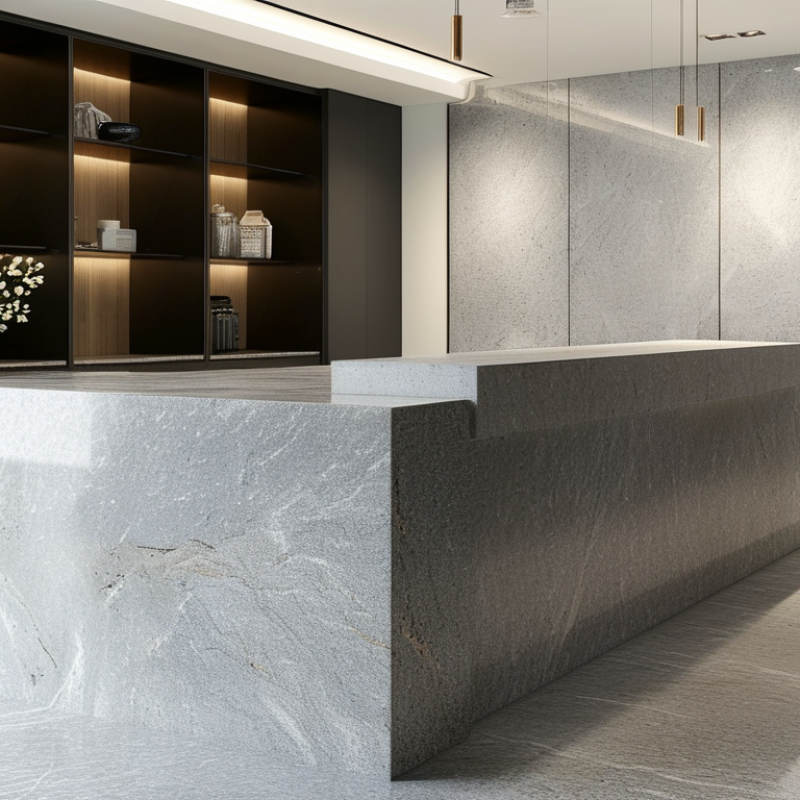
Types of Stones Suitable for Commercial Spaces
When selecting stones for commercial spaces, durability and aesthetics are essential. Granite remains a popular choice. Its hardness makes it ideal for high-traffic areas. Moreover, its vast range of colors allows for creative designs. Marble, on the other hand, offers elegance but requires more maintenance. It can stain easily and is prone to scratching.
Limestone provides a softer appearance. It’s suitable for indoor spaces, creating a warm and inviting atmosphere. However, it generally lacks the durability needed for outdoor usage. On the other hand, slate is rugged and slip-resistant. It works well in areas prone to moisture. Its natural texture adds character to any space.
Finding the right stone requires balancing beauty and functionality. Not all stones withstand wear and tear the same way. Some may chip or require frequent polishing. It's essential to consider these factors. Selecting the wrong stone could lead to costly repairs. Therefore, careful planning is needed to make the best choice.
2026 Best Stone for Commercial Spaces: What Works Best?
This chart illustrates the durability ratings of various types of stones suitable for commercial spaces. Granite leads with the highest durability rating, followed by Quartz and Marble, making them ideal choices for high-traffic areas.
Factors to Consider When Choosing Stone for Commercial Use
When selecting stone for commercial spaces, various factors demand attention.
Durability is critical. Stones like granite withstand heavy foot traffic. They resist scratches and stains, making them a practical choice for busy environments.
Consider the maintenance required for each stone type. Some require sealants or special cleaners, which can add to long-term costs.
Aesthetic appeal is important as well. The right color and texture can enhance a brand's image.
Natural stone offers unique patterns, which can create a striking visual effect. However, achieving uniformity might be challenging.
Each slab tells its own story. Inconsistent patterns can lead to a beautiful but unpredictable design.
Tips: Think about safety too. Smooth stones can be slippery when wet.
Choose options with a textured finish for public areas.
Also, consider the environmental impact.
Sourcing and processing stones can have a significant carbon footprint.
Opting for locally sourced materials may reduce this effect. Reflect on these aspects to ensure a well-informed choice for your commercial space.
Durability and Maintenance of Different Stone Varieties
When selecting stone for commercial spaces, durability and maintenance play crucial roles. Natural stones, such as granite and slate, are often favored due to their long-lasting performance. Granite is exceptionally hard, resisting scratches and heat. This makes it ideal for high-traffic areas. However, it does require regular sealing to maintain its appearance.
Other stones, like marble, offer aesthetic appeal but come with maintenance challenges. Marble is porous and can stain easily. It demands careful cleaning and treatment to avoid damage. This might not be suitable for all commercial settings. Additionally, the installation of marble can be complex, adding to overall costs.
Ultimately, the choice of stone hinges on balancing aesthetics with practicality. No stone is entirely maintenance-free. Granite needs sealing; marble needs careful handling. Understanding these needs leads to more informed decisions for a commercial space.
Cost-Effectiveness of Stone Options in Commercial Settings
When choosing stone for commercial spaces, cost-effectiveness becomes a key factor. Different types of stone vary widely in price, durability, and maintenance needs. Granite and marble offer striking aesthetics but can be costly. On the other hand, quartzite provides a similar look with less upkeep. This balance is crucial for businesses aiming to make the most of their budget.
Consider the long-term effects of your stone choice. While a less expensive option might save money upfront, it could require more maintenance over time. Think about foot traffic and wear; high-traffic areas need durable materials. A cheap stone might chip or stain easily. Selecting a stone that endures can lead to significant savings in repairs and replacements down the line.
Reflecting on your needs and environment is essential. Each space has its unique challenges. A visually appealing option may not always be practical. Evaluating the stone's performance in real-world settings is vital for making an informed decision. Prioritize reliability and experience with materials for the best outcomes.
2026 Best Stone for Commercial Spaces - Cost-Effectiveness of Stone Options
| Stone Type |
Cost per Square Foot |
Durability (Years) |
Maintenance Level |
Aesthetic Appeal |
| Granite |
$5 - $15 |
50+ |
Low |
High |
| Marble |
$10 - $20 |
25 - 50 |
Moderate |
Very High |
| Limestone |
$3 - $10 |
20 - 30 |
High |
Moderate |
| Slate |
$5 - $12 |
50+ |
Low |
High |
| Quartzite |
$6 - $14 |
50+ |
Low |
Very High |
Trends in Stone Design for Modern Commercial Interiors
Choosing the right stone for commercial spaces is crucial for creating modern, inviting interiors. Current trends favor natural stones that offer both durability and aesthetic appeal. Textured finishes and earthy tones are gaining popularity. They add warmth to cold environments. Simple colors can create striking contrasts. Mixed materials also enhance visual interest.
When selecting stones, consider their maintenance needs. Some stones require sealing to prevent stains. Heavy foot traffic areas need tougher options. Pay attention to the size of the tiles as well. Large tiles can reduce grout lines, giving a sleeker look. However, they may be challenging to install in smaller spaces.
Tips: Prioritize stones that align with your brand image. Test various samples to see how they react with lighting. Keep functionality in mind; the stone should withstand daily use without losing charm. Resilience is essential, but aesthetic choices shouldn’t be abandoned. Reflections on longevity and upkeep can guide better selections. Consider how the choices will hold up in five or ten years.
FAQS
: Durability is critical. Stones like granite withstand heavy foot traffic and resist scratches.
Some stones require sealants or special cleaners, which can increase long-term costs.
The right color and texture enhance a brand's image and create striking visuals.
Achieving uniformity can be difficult; each slab has its unique patterns and story.
Smooth stones can be slippery. Textured finishes are safer for public areas.
Sourcing and processing stones can have a high carbon footprint. Local materials may help reduce this.
Marble is porous and can stain easily, requiring careful cleaning and treatment.
Different stones vary in price, durability, and maintenance. Consider long-term expenses.
It may chip or stain easily, leading to more repairs and replacements over time.
Each commercial space has specific needs. Balancing aesthetics with practicality is crucial.
Conclusion
When considering what stone works best for commercial spaces, it is essential to understand the various types of stones that are suitable for such environments. This includes natural stones like granite, marble, and limestone, each offering unique aesthetics and durability. Factors such as traffic patterns, exposure to moisture, and style requirements should guide the selection process. Additionally, durability and maintenance considerations play a critical role, as some stones require more upkeep than others.
Cost-effectiveness is another important aspect, as it influences the overall budget for commercial projects. Businesses often seek stones that not only enhance the visual appeal of their interiors but also provide long-term value. Finally, current trends in stone design reflect a shift towards more modern interpretations, integrating innovative patterns and finishes to meet contemporary aesthetic demands. By assessing these factors, one can make a well-informed decision on the best stone for their commercial space.

 Zenlith Stone
