Choosing the perfect stone for your bathroom vanity is crucial. Many homeowners wonder, "what stone is best for bathroom vanity?" This decision affects style, durability, and maintenance. Natural stones like granite or marble each have unique qualities.
Granite is famous for its strength and variety of colors. It resists scratches and heat, making it ideal for busy bathrooms. Marble, on the other hand, offers elegance but may require more maintenance. Its porous nature can lead to stains. Think about how often you'll clean your vanity.
Another option is engineered stone. It combines beauty and functionality. This material is non-porous and easy to maintain. However, the appearance may lack the unique characteristics of natural stones. Consider your lifestyle and bathroom use. Reflect on what suits your needs and the look you desire. Make your choice wisely, as it will impact your space for years.
Overview of Popular Stones for Bathroom Vanities in 2026
When it comes to selecting stones for bathroom vanities in 2026, several materials stand out.
Quartz, a popular choice, is known for its durability and wide range of colors.
It is practically non-porous, making it resistant to stains. However, its synthetic nature can deter some homeowners who prefer natural stones.
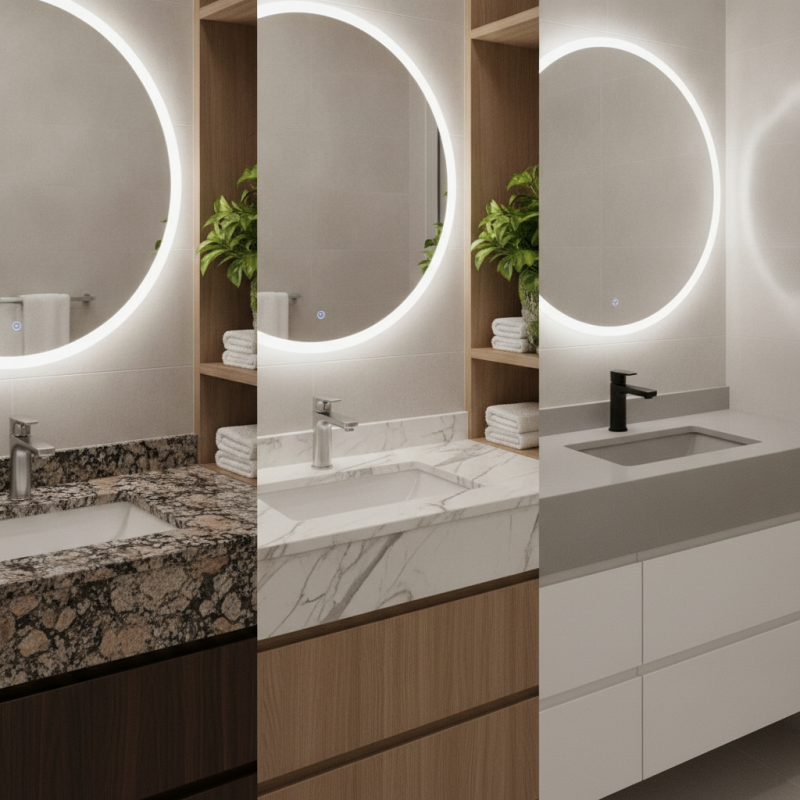
Marble offers undeniable beauty with its unique veining.
It creates a luxurious feel in any bathroom. Yet, marble is softer than quartz and can be susceptible to scratches and stains. Regular sealing is essential to maintain its appearance.
Another contender, granite, is celebrated for its strength and heat resistance. Each slab is distinctive, adding personal flair to the bathroom.
But its heavy weight requires careful consideration during installation. Not all granites are created equal, and some may require more maintenance than others.
Ultimately, the best choice depends on individual needs and lifestyle. Each stone has its pros and cons. Understanding these will help guide a more informed decision.
Key Factors to Consider When Choosing Vanity Stone
Choosing the right stone for your bathroom vanity involves several key factors. Durability stands out as a primary consideration. The bathroom is a humid environment. Stones like granite and quartzite offer excellent resistance to moisture and scratches. These materials can withstand daily wear and tear, making them practical choices.
Aesthetic appeal is also crucial. Different stones come with unique patterns and colors. Marble, for instance, adds a touch of elegance but may require more maintenance. It's essential to balance beauty with practicality. While some stones look stunning, they might not suit high-traffic areas. Consider the overall design of your space.
Lastly, maintenance requirements can vary widely. Some stones, like soapstone, are more forgiving and easy to care for. Others, like marble, might need regular sealing to prevent staining. Weigh the trade-offs carefully. A beautiful stone can become a hassle if it's not easy to maintain.
Best Stone for Bathroom Vanity in 2026
Comparison of Durability and Maintenance for Bathroom Stones
When considering the right stone for your bathroom vanity in 2026, durability and maintenance are crucial factors. Marble, while luxurious, requires regular sealing due to its porous nature.
Water stains and etching can occur without proper care. Granite, on the other hand, is highly durable and less prone to damage. It requires minimal maintenance. A simple wipe-down is often sufficient to keep it looking pristine.
Quartz offers a blend of beauty and practicality. This engineered stone is non-porous, making it resistant to staining. It doesn’t require sealing, which simplifies maintenance. However, it can be subjected to heat damage, requiring caution with hot items.
Limestone, though elegant, is softer and more prone to scratches, demanding higher maintenance. Its beauty comes with higher risks.
Many homeowners overlook the long-term care required for their chosen materials. Each stone type has its pros and cons. It's essential to evaluate your lifestyle before making a decision. Balancing aesthetics with practicality may lead to more reflections on your stone choice. Long-lasting beauty should not come at the expense of constant upkeep.
Aesthetic Appeal: Color and Texture Options for Vanity Stones
Choosing the right stone for your bathroom vanity is vital for achieving a stylish look. Color and texture significantly influence the overall aesthetic. For instance, a sleek black granite evokes sophistication, while a soft beige marble offers warmth. Each stone brings unique energy to the space.
Consider how light affects your choice. A lighter stone can brighten a small bathroom. Darker stones may add depth but can also make a space feel smaller. Don't forget about texture. A polished finish reflects light beautifully, but a matte finish provides a modern, understated elegance.
Tips for Choosing Vanity Stones: Think about durability. Some softer stones are prone to scratches and stains. Ensure you choose a material that suits your lifestyle. Also, mix and match colors and textures. Combining materials can create a striking visual effect but may require thoughtful planning to maintain harmony. Always get samples before making a final decision to see how they fit in your bathroom lighting.
Cost Analysis: Budget-Friendly to Luxury Stone Choices
When choosing a stone for your bathroom vanity, cost is a significant factor to consider. Budget-friendly options like granite or quartz can be both stylish and durable. These materials often range from $40 to $100 per square foot. Granite is a popular choice due to its natural beauty and resilience against moisture. However, minor imperfections may arise with lower-priced options. Some consumers report staining or scratching over time, especially if not properly sealed.
For those seeking luxury, marble or soapstone provides a sophisticated touch. Marble, priced from $100 to $200 per square foot, offers unique veins and patterns. Yet, it can be more susceptible to etching and staining.
Soapstone, while more durable, also comes at a higher cost. It can range from $70 to $150 per square foot, depending on quality. The elegance of these stones is undeniable. However, maintenance can be a concern for busy households.
Ultimately, your choice will depend on your budget and lifestyle. Keep in mind the maintenance required for each material. Factors like family size and frequency of use matter. Balancing aesthetics with practicality means reflecting on your needs. A lovely stone vanity can elevate your bathroom, but weighing cost against durability is key.
FAQS
: Durability and maintenance are crucial factors. A stone's longevity affects your choice significantly.
Marble requires regular sealing due to its porous nature. It can suffer from water stains and etching.
Granite is highly durable and requires minimal maintenance. A simple wipe-down keeps it looking good.
Quartz is non-porous and resistant to staining. It doesn’t require sealing, simplifying upkeep.
Limestone is softer and prone to scratches. Its beauty comes with higher risks and more care requirements.
Budget-friendly stones range from $40 to $100 per square foot, while luxury options can go above $100.
Lower-priced options may show staining or scratching. Proper sealing is essential to prevent damage.
Luxury stones offer unique beauty but require more maintenance. Consider if that matches your lifestyle.
A larger family may require more durable materials. Evaluate how often the stone will be used.
Consider whether long-lasting beauty is worth constant upkeep. Your lifestyle will influence this balance.
Conclusion
When considering what stone is best for bathroom vanity in 2026, it is essential to explore the most popular stones available, including options like granite, marble, quartz, and solid surfaces. Each type of stone offers unique aesthetic options, from vibrant colors to intricate textures, making it possible to find a design that complements any bathroom style.
In addition to aesthetics, key factors to consider include the durability and maintenance needs of the stone. For instance, some stones require more upkeep than others, affecting long-term satisfaction. Furthermore, a cost analysis reveals a range of options from budget-friendly materials to luxurious choices, allowing homeowners to make informed decisions based on their style preferences as well as their financial capacities. Ultimately, the right choice will blend beauty, practicality, and value.

 Zenlith Stone
