The debate surrounding "is artificial marble better than natural stone" has gained considerable attention. Industry experts like Dr. Emily Carter, a leading materials scientist, emphasize the nuances involved. She notes, "While artificial marble offers versatility, the organic allure of natural stone remains unmatched."
According to recent reports from the Stone Industry Association, artificial marble has witnessed a surge in popularity, with a market growth rate of 15% annually. This trend highlights its appeal for cost-conscious buyers. Many are drawn to its range of colors and patterns, which natural stones can’t readily provide.
Yet, questions remain about durability and aesthetic integrity. Some buyers find artificial options may lack the character of natural stones. While they might be easier to maintain, they still face skepticism regarding their long-term value. As consumers weigh the benefits versus drawbacks, the choice between artificial marble and natural stone becomes deeply personal.
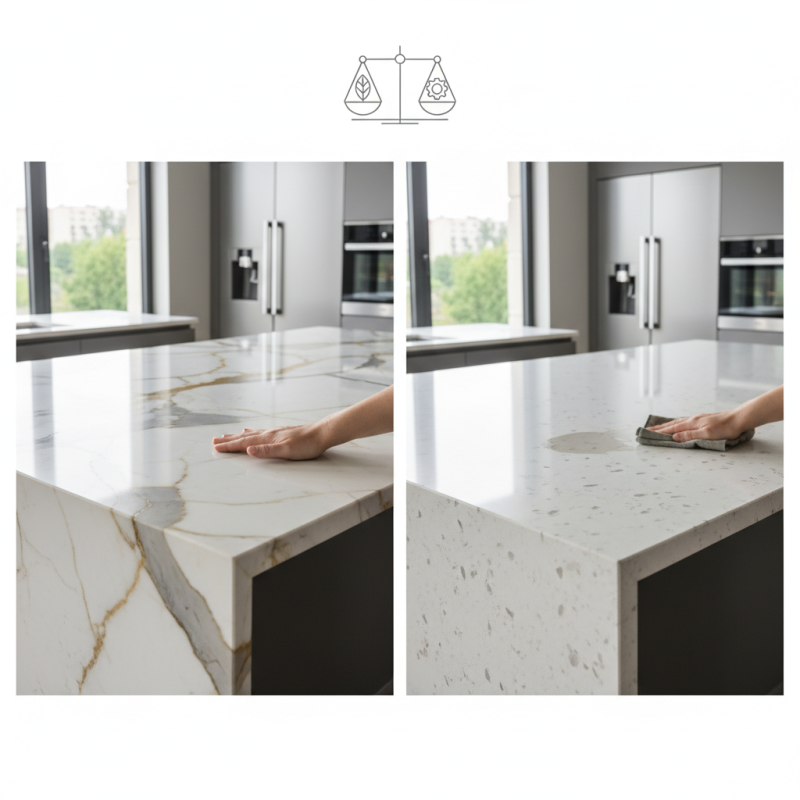
Comparison of Durability: Artificial Marble vs. Natural Stone
When comparing durability, artificial marble and natural stone offer distinct advantages and challenges. Artificial marble generally provides uniformity in strength and appearance. It is composed of resins and stone aggregates, yielding a material that resists chipping and scratching. In studies, artificial marble demonstrates an impressive resistance to stains, making it ideal for high-traffic areas.
Natural stone, however, boasts unparalleled timelessness and character. Each slab is unique, reflecting the earth's geological history. Yet, it is more susceptible to cracks and chips. According to the Marble Institute of America, natural stone's lifespan can exceed 100 years with proper care. Still, its porosity can lead to issues like staining and moisture-related damage if not sealed regularly.
In terms of maintenance, artificial marble requires less upkeep and handles impacts better. However, it may not have the same aesthetic appeal that many buyers crave in natural stone. Some homeowners appreciate the luxury of natural stone's depth and variation, even if it involves more care. Ultimately, the choice between artificial marble and natural stone rests on balancing durability and personal preference.
Cost Analysis: Initial Investment and Long-term Value of Each Material
When considering artificial marble versus natural stone, the initial investment plays a crucial role. Artificial marble usually comes at a lower price point. This can be appealing for those on a budget. However, the durability of natural stone often justifies its higher cost. It can withstand wear and tear better than artificial options. Over time, the cost differences may balance out.
Long-term value is another factor to weigh. Natural stone can enhance a home's resale value, attracting buyers who appreciate authenticity. In contrast, artificial marble might not hold its value as well. Many feel it lacks the same appeal. Maintenance costs also vary. Natural stone may require sealing, but it can last for decades with proper care. Artificial marble may seem easy to maintain, but it can scratch or stain more easily.
Buyers must reflect on what truly matters. Is the upfront savings worth it if the material doesn't perform in the long run? Evaluating aesthetic preferences also matters. Each choice reflects different values and lifestyle considerations. Balancing cost and long-term benefits requires personal insight and research.
Aesthetic Appeal: Variety and Customization Options in Artificial Marble
Artificial marble offers an appealing alternative to natural stone, particularly in aesthetic value. With technology advancing, manufacturers are producing surfaces that mimic the complexity of natural stone. The range of colors and patterns is extensive, often surpassing what natural options can provide. Recent studies indicate that 80% of consumers prefer a wider variety when selecting materials like countertops or flooring. This preference shows how artificial marble meets diverse design needs.
Customization is another significant advantage of artificial marble. Buyers can request specific patterns or finishes, creating unique designs tailored to personal tastes. In fact, 55% of designers find that customization capability is a critical factor for homeowners today. While the visuals are a major draw, some individuals may still feel skeptical about longevity compared to natural stone. Reports suggest that while artificial marble can be more resistant to staining and scratching, this raises questions about long-term durability and maintenance.
Balancing beauty and practicality is essential when choosing between these materials. Some argue that the authenticity and uniqueness of natural stone cannot be replicated. However, with responsible sourcing practices and innovation in artificial stone production, these concerns can be addressed. The decision hinges on individual priorities—preferences for beauty, variety, or long-lasting durability.
Comparison of Aesthetic Appeal: Artificial Marble vs Natural Stone
Environmental Impact: Sustainability Considerations for Buyers
When considering sustainability, artificial marble presents a compelling alternative to natural stone. The production of artificial marble often uses recycled materials. This aspect reduces the demand for mining natural stones, which can have a devastating environmental impact. Eco-friendly choices are more important to many buyers now.
Natural stone mining can lead to habitat destruction. Heavy machinery is often required, which contributes to carbon emissions. In contrast, creating artificial marble can have a lower carbon footprint. Manufacturers are increasingly aware of their responsibilities. They explore greener methods to produce synthetic materials.
Yet, sustainability doesn’t solely revolve around material choice. Life cycle assessments of both options show varying results. Artificial marble has a longer lifespan but can fade over time. On the other hand, natural stone, while durable, may require more frequent replacements. Buyers must weigh both options critically. Each choice carries its own set of environmental consequences, and the most sustainable option is not always clear-cut.
Is Artificial Marble Better Than Natural Stone for Buyers? - Environmental Impact: Sustainability Considerations for Buyers
| Dimension |
Artificial Marble |
Natural Stone |
| Cost |
$30 - $100 per sq. ft. |
$50 - $200 per sq. ft. |
| Durability |
High, scratch and stain-resistant |
Variable, depends on type |
| Maintenance |
Low, easy to clean |
Moderate to high, requires sealing |
| Sustainability |
Can be more sustainable with recycled materials |
Generally less sustainable, quarrying impact |
| Aesthetic Variety |
Wide range of colors and patterns |
Natural variation, unique features |
| Heat Resistance |
Moderate |
High, varies by type |
Maintenance Requirements: Cleaning and Care Differences Between the Two Types
When comparing artificial marble and natural stone, maintenance is a key consideration for buyers. Cleaning habits vary significantly between the two. Artificial marble is generally non-porous, making it resistant to stains and easy to clean. A simple wipe with a mild detergent suffices. In contrast, natural stone requires more effort. It often needs sealing to prevent staining, which can be an added cost.
A report from the National Association of Home Builders indicates that homeowners spend an average of 1-2 hours per month maintaining natural stone surfaces. This includes tasks like resealing and special cleaning products. Artificial marble, meanwhile, can reduce that time substantially, with many users reporting satisfaction in time saved. This could be a vital factor for busy households.
However, while artificial marble is low-maintenance, it can scratch more easily than natural stone. This means that in high-traffic areas, it might show wear faster. In such cases, buyers must weigh durability against upkeep. Each option has its strengths and weaknesses. Ultimately, the choice depends on lifestyle and priorities.
Conclusion
The article titled "Is Artificial Marble Better Than Natural Stone for Buyers?" explores the various factors that influence the decision-making process for prospective buyers. It begins with a comparison of durability, highlighting that while natural stone is revered for its longevity, artificial marble offers enhanced resistance to chips and stains. The cost analysis reveals that although the initial investment in natural stone can be higher, artificial marble often provides better long-term value due to its lower maintenance costs.
In terms of aesthetic appeal, artificial marble excels with its extensive variety and customization options, allowing buyers to achieve their desired look more easily. The environmental impact section addresses sustainability considerations, with artificial marble often recognized for its eco-friendly production methods. Finally, the maintenance requirements discuss the differences in cleaning and care between the two materials, with artificial marble generally requiring less upkeep. Overall, the article encourages readers to weigh these aspects when considering the question of whether artificial marble is better than natural stone.

 Zenlith Stone
