Marble brings a quiet, natural elegance to kitchens, bathrooms, floors, and fireplaces. Its veined surface catches light beautifully, yet it remains softer and more absorbent than many homeowners expect. A citrus slice, wet glass, or gritty shoe can leave a mark within minutes. Small habits matter.
I learned this the hard way after leaving a damp bottle on a marble counter overnight. The pale ring looked harmless, but it required careful professional treatment. That experience changed my cleaning routine. The safest approach combines prompt spill removal, gentle products, protective barriers, and regular inspection. Understanding how to maintain marble surfaces can prevent stains, dull patches, and avoidable repair costs.
These seven practical tips reflect common recommendations from stone-care professionals and real household use. They focus on daily care, suitable cleaning methods, sealing, scratch prevention, and early stain response. Avoid assumptions. “Natural” does not mean indestructible, and a product labeled “safe” may still damage polished stone. Always test a cleaner on a hidden area. Read the manufacturer’s instructions, too.
Keep it simple. Use a soft microfiber cloth, clean water, and a pH-neutral stone cleaner when needed. Avoid vinegar, lemon juice, abrasive powders, and rough scrubbers. They can etch or scratch the surface. Some advice online sounds convincing but lacks proper testing. Careful observation is more dependable. Watch how the marble responds, record recurring problems, and adjust your routine before minor damage becomes permanent.
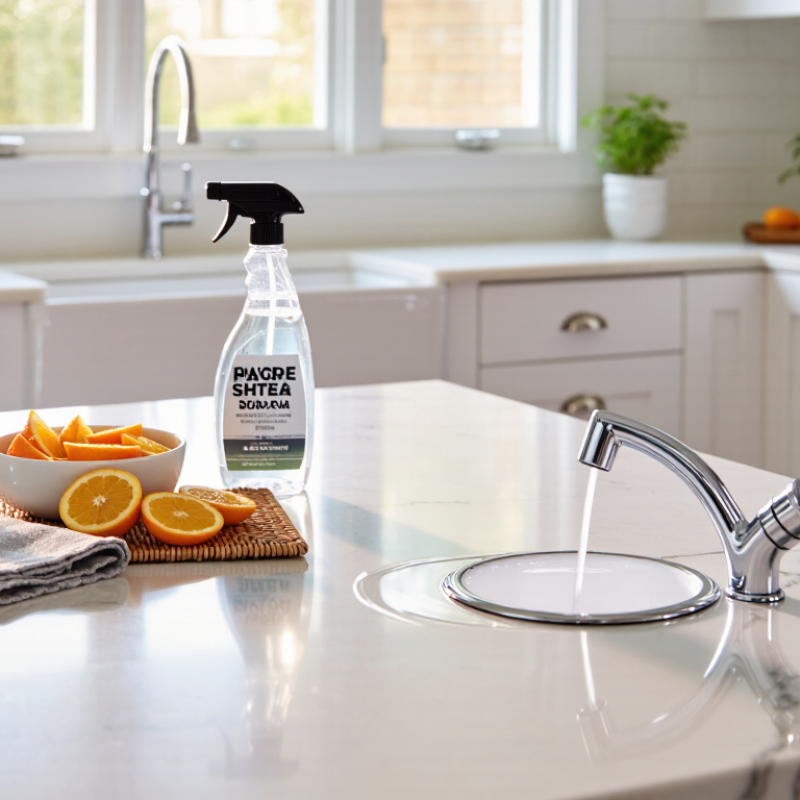
Marble is not one uniform material. Calcite-rich marble reacts quickly to acids, while dolomitic marble usually resists etching slightly better. Both can stain because marble remains porous. The safest care begins with identification, not cleaning.
Check the stone’s color, veining, finish, and installation location. A polished surface reflects light and shows dull spots easily. Honed marble hides minor scratches but absorbs spills faster. Textured finishes need softer brushes because dirt settles in their grooves. Ask the fabricator for the stone’s technical details when possible. If records are missing, test a hidden area with a few drops of water. Darkening may indicate absorption. Never use acids or abrasive powders.
Kitchen marble needs immediate wiping after coffee, wine, oil, or citrus juice. Use a pH-neutral stone cleaner and a clean microfiber cloth.
Bathrooms need extra attention around taps, soap, and standing water. Dry those areas after use.
Sealing can reduce staining, but it does not make marble stain-proof. A qualified stone professional should select the sealer and judge the timing. Follow the product’s curing instructions carefully.
I have seen homeowners polish a dull patch and create a brighter, uneven circle. It looked worse before it looked better. That mistake is easy to repeat. Test every method discreetly, and keep a record of what touched the stone. Some damage needs professional honing rather than stronger cleaning.
Marble looks durable, but its surface can react quickly to dust, water, and everyday spills. Fine grit under a cup or chair can create tiny scratches. Moisture may also settle into pores and leave dull marks. Regular, gentle cleaning protects the finish better than occasional heavy scrubbing.
Tip 1
Remove dust every day with a clean, dry microfiber cloth. Move it lightly across the surface. Do not push grit in circles. A soft dust mop works well on marble floors, especially near entrances. I once ignored hallway dust for several days, and the floor developed faint drag marks. That mistake was avoidable.
Tip 2
Blot spills immediately. Press a soft, absorbent cloth over coffee, juice, oil, or muddy water. Wiping outward can spread the stain. Use a small amount of pH-neutral stone cleaner when needed, then dry the area fully. Avoid vinegar, lemon juice, abrasive powders, and rough scouring pads. Acidic liquids can etch marble instead of simply cleaning it. Test any unfamiliar cleaner on a hidden area first. Even careful advice has limits; old stains, deep etching, or damaged sealers may require an experienced stone professional.
Marble is beautiful, but calcite-based stone reacts easily with acids. The Natural Stone Institute’s Care and Cleaning Guide warns that acidic products can etch polished surfaces. Even lemon juice can leave a dull ring beside a glass. Use a pH-neutral cleaner, ideally close to pH 7, and follow its dilution instructions carefully.
Soft tools matter as much as chemistry. Choose a clean microfiber cloth, soft sponge, or non-abrasive mop. Avoid scouring pads, powdered cleaners, and stiff brushes. The Institute’s technical guidance also recommends removing spills promptly, because coffee, wine, and tomato sauce can penetrate unsealed stone. Blot the area; do not scrub outward. Test any cleaner on a hidden corner first. I sometimes skip this step, and that is a mistake.
Dust the surface before wet cleaning, since trapped grit can create fine scratches. Wring the cloth well, then wipe in overlapping strokes. Rinse with clean water to remove residue, and dry marble with a soft towel. The National Stone Institute recommends sealing porous stone when appropriate, but sealing does not make marble stain-proof. A 2023 industry care guide similarly stresses routine maintenance over aggressive restoration. Check the surface every few months, especially around sinks and showers. If the finish looks cloudy, stop experimenting and consult a stone-care professional.
Marble looks durable, but its surface reacts quickly to grit, acids, and sudden heat. Wipe dust with a clean microfiber cloth before it can act like sandpaper. Use soft cloths. Place felt pads under lamps, trays, and small appliances to reduce scratching. Lift objects instead of dragging them across the stone. I learned this after a ceramic bowl left a faint trail near an edge.
For daily cleaning, use warm water and a pH-neutral stone cleaner. Avoid vinegar, lemon juice, bleach, and abrasive powders. Their short-term shine can create dull, etched patches. Blot coffee, wine, oil, and cosmetics immediately with white paper towels. Do not rub outward, because that can spread the stain. A properly applied sealer slows absorption, but it does not make marble stain-proof. Test water absorption periodically in a hidden area, since sealing schedules vary by stone and use.
Heat leaves evidence. Use a trivet beneath hot pans, slow cookers, and serving dishes, even when the marble feels thick. Rapid temperature changes may cause discoloration or stress around existing flaws. Keep hair tools and heated containers off bathroom counters. If a cloudy mark appears, stop scrubbing and photograph it before trying a remedy. Some marks are etching, not dirt, and require careful honing by a qualified stone professional. My own mistake was assuming more cleaner meant more protection; it only left a hazy film.
Marble looks durable, but its surface reacts quickly to moisture, acids, and grit. In homes I have maintained, dull rings often appeared after one unnoticed glass. A penetrating sealer creates resistance, not complete protection. That distinction matters. Apply sealer periodically, following the instructions and the stone’s condition. High-use counters may need attention every six to twelve months. Quiet areas may need less frequent care. Water-beading tests can help, although they are not perfect.
Place a few drops of water on a clean, hidden area for ten minutes. If the stone darkens quickly, the seal may be weakening. Dry the area and avoid testing visibly damaged sections. Never seal over dust, grease, or trapped moisture. Clean first. Use a pH-neutral stone cleaner and a soft microfiber cloth. Vinegar, lemon juice, abrasive powders, and rough pads can etch marble. Etching is chemical damage, not ordinary dirt. Sealing will not restore its shine.
Repair small chips, cracks, and cloudy patches early. A qualified stone professional can assess whether honing, polishing, or filling is appropriate. Take clear photographs and record the damage before treatment. This may seem excessive, but it prevents confusion about the original condition. I once delayed a tiny edge repair, expecting it to remain stable. It spread after repeated impacts. That mistake changed my routine. Use coasters, lift pots instead of sliding them, and wipe spills promptly. Still, marble will develop character over time. The goal is controlled aging, not an untouched surface.
| No. | Maintenance Tip | Recommended Frequency | Practical Standard | Why It Matters |
|---|---|---|---|---|
| 1 | Clean with a pH-neutral product | Daily or as needed | Use a cleaner labeled safe for natural stone; wipe with a soft microfiber cloth. | Neutral cleaners remove routine soil without exposing calcite-based marble to harsh acids or alkalis. |
| 2 | Blot spills immediately | As soon as a spill occurs | Blot with a clean, absorbent cloth; do not wipe the spill outward. | Fast removal reduces the chance of staining from coffee, wine, oil, food, and colored liquids. |
| 3 | Keep acidic substances away | Every day | Use coasters, trays, and cutting boards; avoid vinegar, lemon juice, and acidic descalers. | Acids can chemically etch marble, leaving dull spots that ordinary cleaning cannot remove. |
| 4 | Protect high-use areas | Maintain continuously; inspect weekly | Place mats at entrances and felt pads under movable objects; remove grit regularly. | Sand and grit can cause fine scratches when walked on or dragged across the surface. |
| 5 | Seal marble periodically | Test every 6–12 months; reseal when needed | Place a few drops of water on a clean, dry area. If darkening remains after about 10–15 minutes, assess the sealer. | Sealing can reduce liquid absorption, but it does not make marble stain-proof or prevent etching. |
| 6 | Remove stains with the correct method | Treat promptly; reassess after each treatment | Identify the stain first. Use a suitable poultice for absorbed stains and test any product in an inconspicuous area. | Different stains require different treatments; incorrect chemicals may deepen discoloration or damage the finish. |
| 7 | Repair damage early | Inspect monthly; repair promptly | Address chips, cracks, loose grout, dull etching, and recurring moisture marks before they spread. | Early repairs are generally less invasive and help prevent water penetration, breakage, and larger restoration work. |
Note: Marble is a calcium-carbonate stone and is sensitive to acidic substances. Always follow the stone-care product instructions and test products in a small, hidden area first.
Marble contains calcite, which reacts with acids. Choose a cleaner near pH 7. Lemon juice and vinegar can leave dull rings.
Use a clean microfiber cloth, soft sponge, or non-abrasive mop. Avoid stiff brushes and scouring pads. Soft tools matter.
Dust first, because trapped grit can scratch like sandpaper. Wipe with overlapping strokes. Rinse the cloth often.
Blot the spill quickly with white paper towels. Do not scrub outward. This can spread liquid across the stone.
No. A suitable sealer can slow absorption, but stains may still occur. Check water absorption in a hidden area every few months.
Place felt pads under lamps, trays, and small appliances. Lift objects instead of dragging them. A ceramic bowl once left a faint trail.
Yes, heat and sudden temperature changes may create discoloration or stress. Use a trivet under hot pans and serving dishes.
Stop adding cleaner and stop scrubbing. Photograph the mark and inspect it carefully. It may be etching, not dirt, and professional honing may help. I once used more cleaner, but it created only a hazy film.
Learning how to maintain marble surfaces begins with understanding that different marble types may have different levels of porosity, softness, and sensitivity. Regularly remove dust, dirt, and spills before they can scratch the surface or penetrate the stone. For routine cleaning, choose a pH-neutral cleaner and use soft cloths, microfiber towels, or non-abrasive tools. Avoid harsh chemicals, rough scrubbers, and excessive water, as these can dull the finish or leave marks.
Protect marble by using coasters, mats, cutting boards, and heat-resistant pads to reduce the risk of scratches, stains, and heat-related damage. Wipe acidic or colored liquids promptly, and never drag heavy objects directly across the surface. Periodic sealing can provide additional protection, although the timing depends on the marble’s condition and usage. Finally, inspect the surface regularly and address etching, cracks, chips, or stains early to prevent small problems from becoming more difficult and costly to repair.

Zenlith Stone