In the ever-evolving world of design, stone remains a timeless favorite. As we approach 2026, aesthetics are shifting. Designers and buyers alike are eager to discover what are the latest stone design trends shaping the market. Stone not only adds natural beauty but also durability to spaces.
Sustainability is a major focus. Eco-friendly materials are gaining traction among consumers. Bold colors and textures are making waves, transforming traditional designs. Think of rich greens, deep blues, and intricate patterns. These choices allow for individuality, reflecting personal stories within each space.
While trends are exciting, they require careful consideration. Choosing the right design can be daunting. Not every trend suits every environment or taste. The quest for innovative stone designs challenges designers to think critically and push boundaries. Embracing these changes can lead to stunning results, but awareness is crucial. Adaptation and reflection will guide the journey through 2026's stone design landscape.
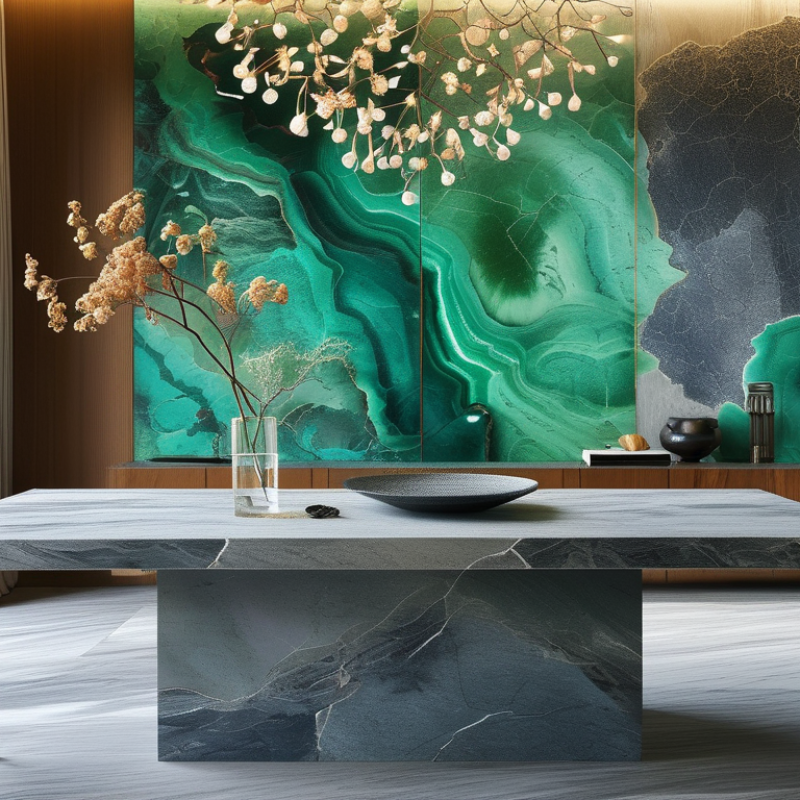
2026 Stone Design Trends: An Overview of Global Preferences
The stone design trends for 2026 reveal a shift towards sustainable choices. Global buyers are prioritizing eco-friendly materials. Natural stones are regaining popularity, offering authenticity and durability. Designers are experimenting with textures that mimic natural formations.
In addition to texture, color plays a vital role. Earthy tones are dominating, reflecting a connection to nature. Deep greens, rich browns, and soft grays are expected to thrive. This palette enhances serenity in spaces, creating calming environments. However, the challenge lies in sourcing these materials sustainably.
There is a trend towards using recycled stones, promoting a circular economy. Yet, achieving consistency in quality remains an issue. Not all suppliers can meet these standards. As designers embrace these trends, they must continuously adapt to the evolving preferences of global buyers while considering the environmental impact.
Natural Versus Engineered Stone: Pros and Cons for Buyers
When considering stone materials, buyers often face a decision between natural and engineered stone. Natural stone is sourced directly from the earth. It boasts unique patterns and colors. However, it can be more porous, requiring regular sealing. This maintenance can be a drawback for some homeowners.
Engineered stone, on the other hand, is crafted from polymer resins and natural stone particles. It offers a wider range of colors and finishes. This versatility appeals to many designers and renovators. However, some may find it less authentic compared to natural options. Durability is generally better, but it’s essential to check the manufacturing process for quality assurance.
Buyers should weigh these pros and cons carefully. Natural stone brings beauty but demands attention. Engineered stone offers convenience but may lack uniqueness. Identifying priorities like aesthetics versus maintenance needs is vital. Reflecting on these aspects can significantly impact the decision-making process.
2026 Best Stone Design Trends for Global Buyers to Know
| Stone Type |
Natural Stone Pros |
Natural Stone Cons |
Engineered Stone Pros |
Engineered Stone Cons |
| Marble |
Elegant appearance, unique patterns |
Porous, susceptible to staining |
Consistent coloring, more durable |
Less unique than natural stones |
| Granite |
Highly durable, resistant to heat |
Requires sealing, heavy weight |
Can mimic natural stone aesthetics |
Limited natural texture |
| Quartz |
Non-porous, resistant to bacteria |
Artificial look, less traditional appeal |
Versatile designs, often more affordable |
May not withstand high heat |
| Limestone |
Natural aesthetic, great for outdoor use |
Soft and can scratch easily |
Easier to maintain, uniformity in style |
Lacks the natural variety of stones |
Color Palettes and Patterns: Trending Aesthetic Choices
As we look toward 2026, stone design trends reveal a fascinating shift in color palettes and patterns. Natural hues, such as warm earth tones and deep greens, are gaining traction. According to recent industry reports, 75% of designers are prioritizing these colors in their projects. This commitment to nature-inspired choices reflects a growing appreciation for sustainability and wellness.
Geometric patterns are increasingly popular in stone design. These patterns can enhance the complexity and visual appeal of surfaces. A survey indicates that 65% of homeowners prefer patterned stone over solid options. Unique textures further enrich the aesthetic, creating a tactile experience that draws the eye. Natural stone variations add layers of character and interest.
Tip: When selecting stone, consider how light interacts with different colors. Glossy finishes can amplify hues, while matte surfaces provide a softer look.
Investing in custom patterns can set your design apart, but it's essential to balance trends with personal taste. Not every design needs to be cutting-edge; sometimes, classic choices resonate more deeply.
Tip: Aim for a cohesive feel in your space. Choose colors and patterns that echo throughout your home. This creates unity and comfort, regardless of current trends.
Sustainability in Stone Design: Eco-Friendly Innovations
The stone design industry is rapidly embracing sustainability, driven by eco-friendly innovations. According to a report by the Global Stone Institute, about 50% of consumers prefer sustainable materials, pushing designers to rethink practices. Recycled stones and low-impact quarrying methods are on the rise. These techniques reduce environmental damage while providing unique aesthetics for constructions.
Many designers are exploring the use of biogenic stones, which utilize natural processes for strength and durability. These products not only meet stringent environmental standards but also showcase beautiful organic patterns. However, the adoption of sustainable practices can be challenging. For example, sourcing local materials may lead to limited options, requiring creativity in design.
**Tip:** Consider integrating recycled stone materials into your projects. This not only promotes sustainability but also adds character to the design.
As industry trends evolve, it’s essential to stay informed. The National Stone Association indicates a growing demand for educational resources on sustainable practices. Designers should continually explore and adapt, ensuring they are communicating the value of eco-friendly options. Balancing aesthetics and sustainability brings a meaningful dimension to stone design.
**Tip:** Engage with local suppliers to understand available sustainable options, which can enhance both your project and locality.
2026 Best Stone Design Trends for Global Buyers to Know
This chart represents the popularity of various eco-friendly innovations in stone design for 2026. The data highlights trends among global buyers emphasizing sustainability.
Technological Advances in Stone Fabrication Techniques
Technological advances in stone fabrication techniques are reshaping the industry.
According to a report by the Stone Fabricators Alliance, automated cutting systems have increased production efficiency by approximately 30%.
Robots and CNC machines now handle tasks with precision that humans struggle to match. These technologies reduce waste and ensure consistent quality.
As a result, the demand for skilled workers in traditional stone cutting may decline.
Furthermore, new polishing techniques have emerged. These methods produce high-gloss finishes with minimal environmental impact.
A study indicated that eco-friendly abrasives can decrease harmful emissions by up to 50%.
This trend addresses sustainability concerns while meeting modern design aesthetics.
Tip: Invest in training programs for staff. This ensures they keep pace with emerging technologies.
Moreover, staying updated on industry trends can enhance resilience against market changes.
The balance between technology and human craftsmanship is delicate.
While machines increase efficiency, the creative touch of artisans remains irreplaceable.
Embracing this duality can lead to innovative designs and improved client satisfaction.
Engaging with both sides may offer new insights and unique opportunities for growth in the stone industry.
Conclusion
In the article "2026 Best Stone Design Trends for Global Buyers to Know," readers are introduced to what are the latest stone design trends that are shaping the industry. The overview emphasizes global preferences, contrasting natural and engineered stones while discussing their respective advantages and disadvantages for buyers.
Color palettes and patterns play a crucial role in current aesthetics, with diverse choices reflecting the evolving tastes in stone design. Additionally, the article highlights the importance of sustainability, showcasing eco-friendly innovations that resonate with environmentally conscious consumers. Technological advances in stone fabrication techniques are also explored, indicating how these innovations are revolutionizing the industry and enhancing design possibilities. Overall, the article serves as a comprehensive guide for buyers looking to stay ahead in the dynamic world of stone design.

 Zenlith Stone
